









Choosing the right day care centre is one of the most important decisions a parent can make during their child’s early years. With so many childcare options available, it is important to look beyond location and convenience and carefully evaluate the overall quality of care being provided.
Factors such as safety standards, staff qualifications, learning programs, facilities, daily routines, and communication with parents all play a major role in creating a positive childcare experience.
A well-managed day care centre should provide more than just supervision. It should offer a safe, supportive, and engaging environment where children can learn, socialise, build confidence, and develop important life skills during their early stages of growth.
Understanding what to look for can help parents make informed decisions and choose a childcare centre that best suits their child’s needs and their family’s expectations.
Licensing, accreditation & compliance

Licensing is a fundamental requirement for daycare centres and childcare businesses. For parents, licensing plays a pivotal role in ensuring legal compliance and the safety of children in care facilities. Daycare centres are required to meet specific requirements based on the type of childcare program they operate, such as childcare centres, family childcare providers, child day camps, and in-home aides.
The licensure process includes pre-licensing training, background checks, extensive documentation, and inspections to help ensure childcare providers meet the required standards. Parents should also consider how a daycare centre manages important areas such as staffing, communication, and daily operations when evaluating the quality of care being provided.
Accreditation examines the calibre of educational programmes, whereas licensing is primarily concerned with safety. Higher standards of excellence in early childhood education are a commitment made by accredited daycares. The learning environment, teacher credentials, and curriculum development are all covered by these criteria.
Staff qualifications & experience
The quality of a child care program depends on many factors. Some of the most important factors are staff education, experience, and ongoing training. Research has shown that trained caregivers are more likely to promote the physical and mental health, safety, and cognitive development of the children in their care.
State or territory child care licensing offices monitor licensed programs to ensure that staff and providers meet all training required by its state or territory’s child care licensing regulations.
Each state and territory sets minimum education qualifications and training requirements for new program staff and family child care providers. These requirements are based on the type of care setting and ages of children served. Requirements may differ based on the position (teacher, lead teacher, director, family child care home provider, and so on).
Safety, hygiene & security measures
- Emergency preparedness plan: plans addressing fires, natural disasters, and medical crises. Such plans must outline evacuation routes, meeting points, and staff duties, along with routine drills. Essential supplies like first aid kits and emergency food should be readily accessible.
- Child illness and medication policy: an illness policy must outline symptoms, such as fever and vomiting, that require a child to stay home, preventing infection spread. Care caregivers need training to identify these symptoms and take action by isolating ill children and notifying parents. Medication policies dictate that only prescribed medicines, with parental consent, may be administered.
- Nutrition and food safety: daycares should provide safe, balanced meals that support children’s health and dietary needs. Strong food safety and hygiene practices help ensure meals are prepared and served safely.
- Safe play and equipment use: daycares should maintain safe, hazard-free play areas and regularly inspect equipment to help prevent injuries. Proper supervision, age-appropriate play spaces, and teaching safe play habits are essential for creating a safe and enjoyable environment for children.
Curriculum and learning approach
A daycare curriculum is a structured plan for guiding children’s development through age-appropriate activities, routines, and interactions. Unlike a rigid academic syllabus, it allows for flexibility and creativity while supporting children’s growth in key developmental areas.
Daycare curricula often differ from preschool or kindergarten curricula, which may follow more academic goals. In daycare, the focus is on foundational skills through play, routines, and social experiences. The goal is to promote all aspects of a child’s emotional, physical, language, and cognitive development.
- Step 1: set developmental goals: identify clear developmental goals based on children’s ages, learning styles, and individual needs to support their overall growth.
- Step 2: map out weekly & monthly themes: organise the curriculum around engaging weekly and monthly themes to make learning structured and enjoyable.
- Step 3: design daily routines and lesson plans: create balanced daily routines with activities, play, meals, rest, and lesson plans that support learning and development.
- Step 4: include assessments and observations: use observations, checklists, and portfolios to track each child’s progress and adapt teaching strategies when needed.
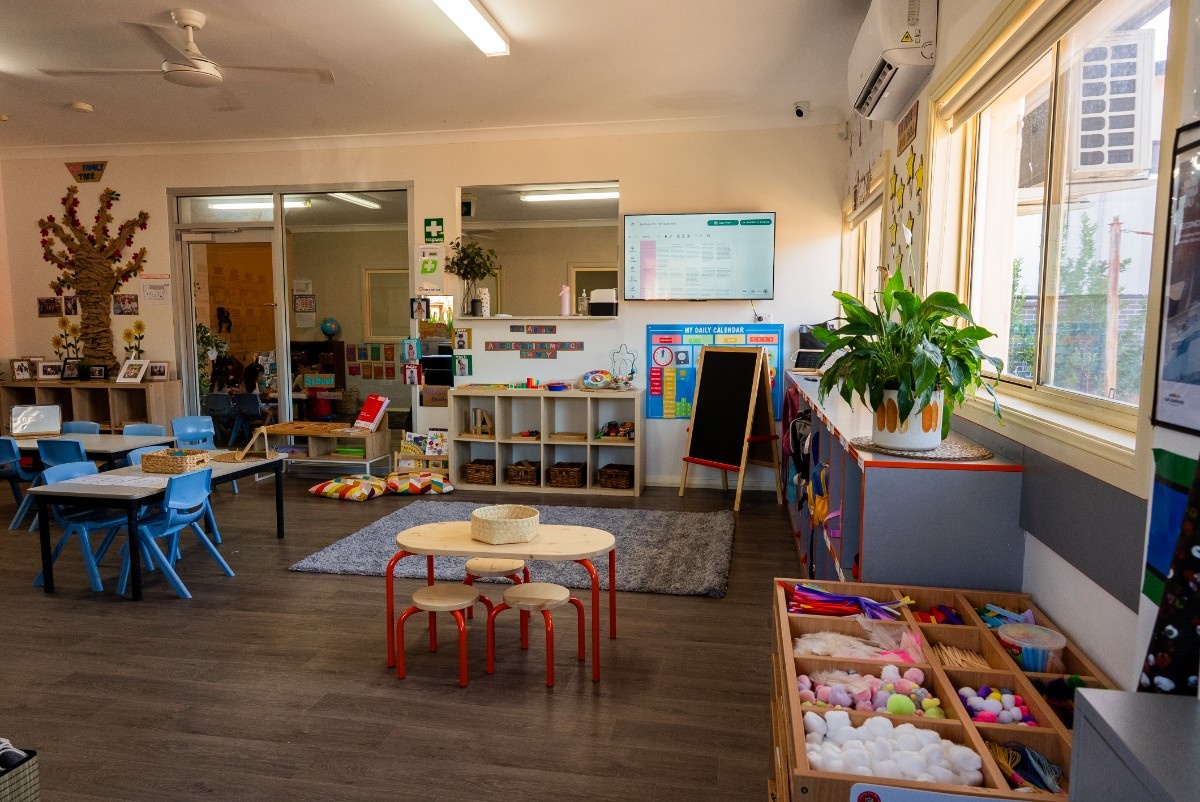
Facilities and learning environment
Creating a high-quality early learning environment is essential for children’s development, well-being, and readiness for school. At Star Academy Kids, the team believes every day care centre has the potential to build a space that encourages curiosity, creativity, and growth.
- Engage in intentional space planning: create inviting, organised spaces with separate activity areas and minimal clutter to support children’s focus, movement, and exploration.
- Incorporate developmentally appropriate materials: use age-appropriate, open-ended, and regularly rotated materials to encourage creativity, learning, and engagement.
- Focus on health and safety standards: maintain a clean, child-safe environment through regular cleaning routines and proper child-proofing measures.
- Implement sensory-rich experiences: include natural elements and a variety of textures to support children’s sensory, cognitive, and emotional development.
- Promote positive interactions and relationships: encourage supportive relationships through responsive teaching, respectful communication, and group activities that build social skills.
- Build a daily routine that balances structure with flexibility: create consistent yet flexible routines that combine active play, quiet time, free play, and smooth transitions.
- Engage families in the learning process: strengthen family involvement through regular communication, participation opportunities, and at-home learning support.
Location and accessibility
Safety is a top priority for every parent when selecting a daycare. The location of the daycare can greatly influence how safe and comfortable your child feels throughout the day. A daycare situated in a quiet, low-traffic neighbourhood reduces noise and pollution, creating a calm environment that supports your child’s emotional well-being.
When the daycare is in a familiar or trusted area, children often feel more at ease, which encourages confidence and openness to learning. Parents should also consider the surrounding environment, such as nearby busy roads or construction sites, which could pose risks or distractions.
Operating hours and flexibility
Balancing a career and family life is no small feat, especially for working parents. The demands of a 9-to-5 job, coupled with unexpected overtime or varying work shifts, can make traditional daycare hours challenging to navigate. Daycare facilities are designed to support working families with flexible scheduling options and transport services, giving parents the peace of mind they need while ensuring their children thrive in a nurturing environment.
For working families, flexibility is not just a convenience, it’s a necessity. Parents often face varying schedules, whether they work in healthcare, hospitality, or other industries with irregular hours. Flexible daycare hours bridge this gap, making it easier for parents to manage their responsibilities without compromising on quality child care.
Fees and value for money
When exploring early learning options, many families ask the question: how much does childcare cost in Australia? The straightforward answer is that the cost can vary widely-sometimes quite significantly-from one daycare to another.
Daily rates for childcare depend on several factors, including where you live, the specific type of childcare provider you choose (such as long day care, family day care, or occasional care), the range of inclusions or extra programs offered, and importantly, whether you are eligible for government subsidies.
These variables mean that childcare fees are not a one-size-fits-all figure but instead reflect a variety of considerations. Understanding the average cost of childcare in your area, what’s included in the fees, and how to manage them is key to planning your child’s early education.
While cost matters, the value of a safe, nurturing, and stimulating environment is just as important when choosing early learning options.
Communication and parent involvement
Parent involvement isn’t just beneficial for children; it also strengthens the relationship between parents and educators. Open communication and collaboration build trust and mutual respect. Parents who are involved in their child’s education are more likely to feel confident in the childcare development centre’s ability to meet their child’s needs.
Educators, in turn, appreciate the support & insights that parents provide. This partnership creates a more supportive and effective learning environment for everyone involved.
Nutrition and meal plans
Early childhood services play a big role in the health and wellbeing of children in their care. Eating habits are learned from a young age, so by providing and promoting nutritious foods and drinks, you can help your children establish positive eating behaviours early.
- Pack wholesome, well-balanced meals and snacks high in protein.
- Give kids enough water and nutritious beverages to stay hydrated all day.
- Incorporate wholesome foods that promote kids’ oral health, mental health, growth, and development.
- Don’t send processed foods, sweetened beverages, or sugary snacks.
- Assist kids maintain regular patterns between home and daycare.
- To lessen needless food waste and promote mindful eating practices, pack the right amount of food.
Child development and emotional support

The first five years of life are a critical time for brain development, especially when it comes to social and emotional skills. According to Harvard University’s Center on the Developing Child, early relationships and emotional experiences literally shape the brain’s architecture, forming the building blocks for future learning and mental health.
Children who develop strong emotional foundations are more likely to:
- Build positive relationships with peers and adults
- Cope with stress and change
- Communicate their needs clearly
- Show empathy and kindness
At Star Academy Kids, emotional development isn’t a separate lesson; it’s part of every moment in a child’s day. Whether it’s helping a toddler navigate separation anxiety at drop-off, or guiding preschoolers through a friendship wobble, our educators are there with empathy, encouragement, and calm reassurance.
Emotional growth is supported by:
- Helping children identify and express their feelings
- Guiding them through friendship challenges and conflict
- Creating calm, predictable routines that reduce anxiety
- Using play-based learning to build confidence, resilience and empathy
- Encouraging children to take small risks and celebrate their efforts
By enrolling your child in a high-quality daycare program, you are setting them up for success as they embark on their educational journey. Our team is here to help you with all of your enquiries, contact us now.
FAQ
What is the most important factor when choosing a day care centre?
The most important factor is finding a safe, nurturing, and supportive environment where your child feels comfortable and cared for. Parents should also consider educator qualifications, cleanliness, learning programs, communication with families, and the centre’s approach to child development.
How do I compare daycare centres effectively?
Compare day care centres by looking at their learning philosophy, staff-to-child ratios, safety standards, daily routines, facilities, parent reviews, and communication practices. Visiting the centre in person can also help you better understand the environment and how educators interact with children.
What questions should I ask during a daycare visit?
During a daycare visit, ask about daily schedules, educator qualifications, safety procedures, meals, learning activities, communication with parents, and how the centre handles naps, behaviour, allergies, and emergencies. It’s also helpful to ask how they support each child’s emotional and social development.