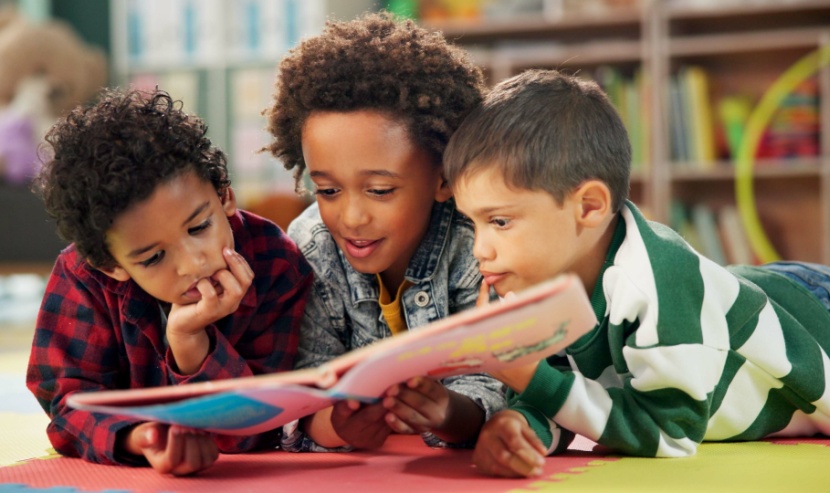


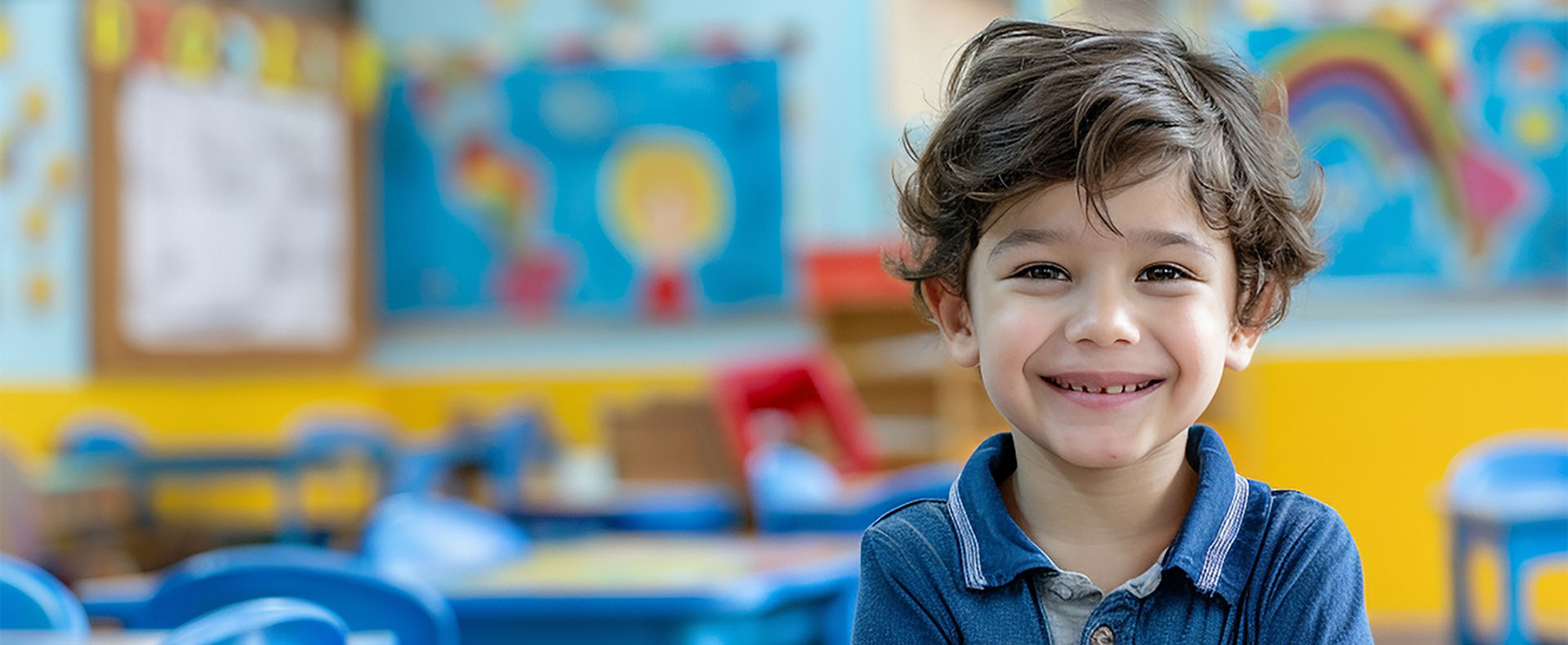

Multicultural experiences help children better appreciate other people’s backgrounds, beliefs and practices. In other words, those experiences can help expand their thinking and awareness about diversity and variety. In addition, multicultural experiences can also help children better navigate the world around them and the challenges and opportunities they’re about to face.
Why multicultural experiences are important
Australia has been home to people coming from a diverse set of backgrounds and cultures. Aside from restaurants that serve international cuisines and places of worship for different religious beliefs, our schools and workplaces also show and support diversity.
Further, our world has now become an interconnected and interdependent one, especially when it comes to information and commerce. Even when there’s a common language in business (money and growth), still, in places of business and different markets we can find cultures and practices unique to each one. For example, there’s this term called “company culture” that describes an organisation’s shared beliefs and values.
For our children, it’s important that they get exposed to different beliefs, practices and values at an early age. Aside from better appreciation of diverse cultures and backgrounds, children can also gain a greater skill at understanding the differences among people. This better understanding can help them better communicate and cooperate with others. It’s also a good way for them to learn how to work with others and achieve a common goal despite the differences.
Multicultural experiences also add variety to children’s activities. This variety can help them expand their comfort zones and make their early years more fun as well. The unique stories, costumes and performances coming from different cultures can make their early experiences much richer.
Other experiences and activities are still important. Sports activities and other extracurriculars still play a role in supporting child development. But for further benefits and richer experiences, multicultural education can help children expand their comfort zones and better get along with other people.