
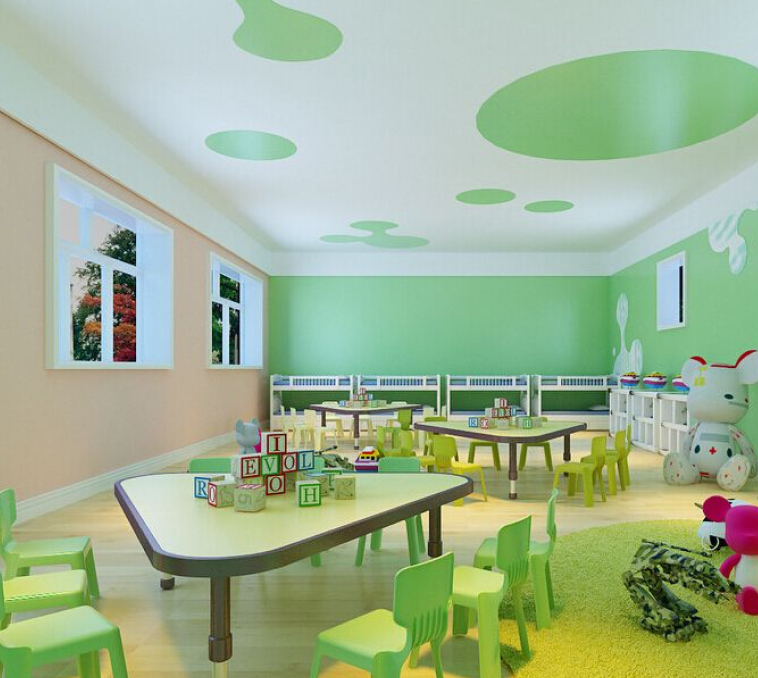
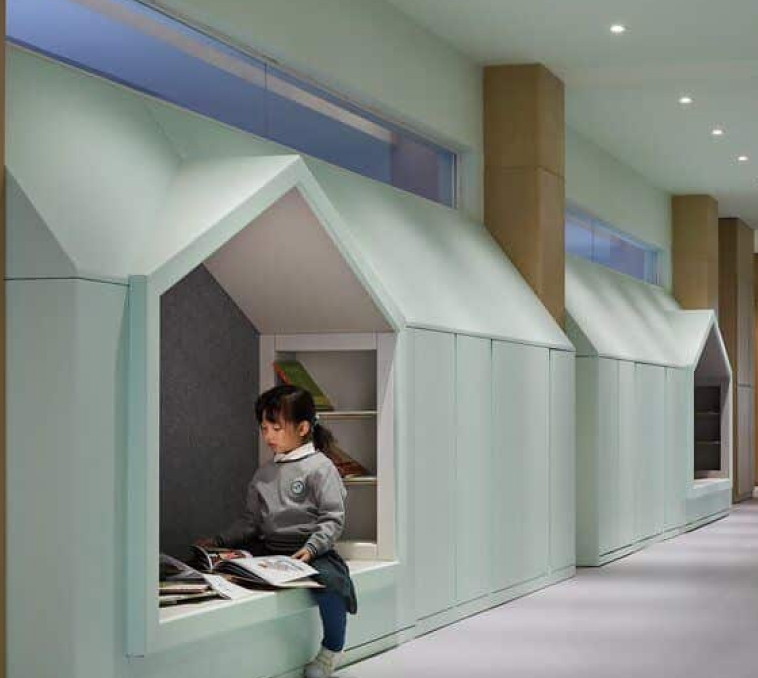
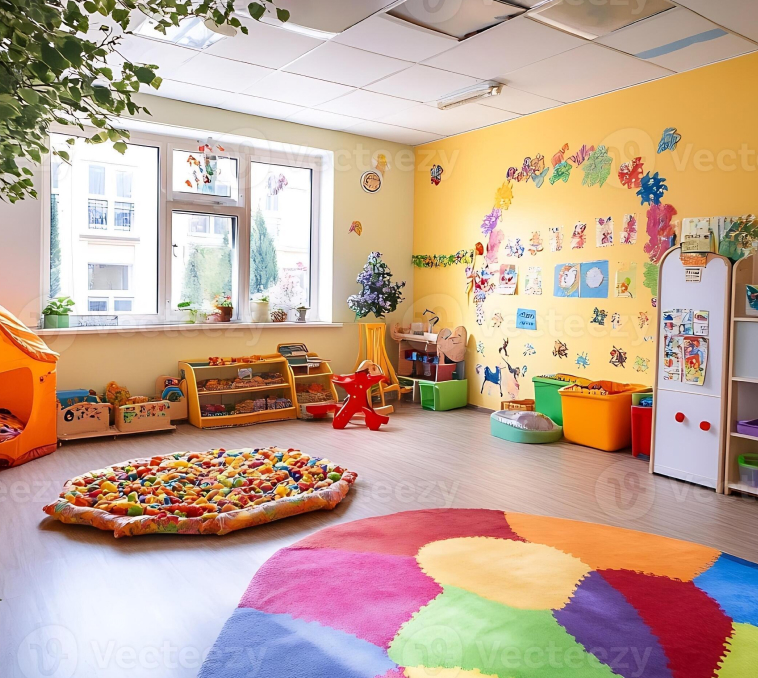





Natural light, often referred to as daylight, has a profound impact on human health and well-being. It’s not just adults who benefit from exposure to natural light; early childhood development is also significantly influenced by the presence of daylight. In this article, we will explore the ways in which natural light affects early childhood development.
Cognitive development
Natural light plays a crucial role in cognitive development. Studies have shown that exposure to natural light can enhance a child’s ability to focus, learn and retain information. It promotes alertness and helps regulate circadian rhythms, which in turn positively impacts a child’s concentration and cognitive abilities.
Emotional well-being
Sunlight has a direct effect on mood and emotional well-being. The serotonin hormone, often called the “feel-good” hormone, increases with exposure to natural light. In children, this can lead to improved mood, reduced irritability and a more positive outlook on life. A child growing up in an environment with abundant natural light is likely to be happier and emotionally healthier.
Physical health
Natural light is a rich source of vitamin D, which is essential for bone health and overall physical well-being. Adequate vitamin D levels in childhood are crucial for proper growth and development. Exposure to natural light helps children absorb this vital nutrient, reducing the risk of health issues like rickets and weak bones.
Sleep patterns
Daylight exposure helps regulate the body’s internal clock, or circadian rhythm. For children, a well-regulated circadian rhythm translates to healthier sleep patterns. Natural light exposure during the day makes it easier for children to fall asleep at night and wake up in the morning, leading to more restful sleep and improved overall health.
Visual development
A well-lit environment is essential for a child’s visual development. Natural light provides a full spectrum of colours and brightness levels that artificial lighting cannot replicate. Exposure to natural light supports the development of visual acuity, depth perception and colour recognition, which are critical for a child’s learning and exploration.
Behavioural benefits
Children who have access to ample natural light tend to exhibit more positive behaviour. They are often calmer, less prone to restlessness and more cooperative. Natural light promotes a sense of calm and reduces hyperactivity in children, contributing to a more peaceful and productive learning environment.
Connection to nature
Exposure to natural light also fosters a connection to the natural world. It encourages children to explore the outdoors, appreciate the changing seasons and engage in physical activities. This connection to nature has numerous developmental benefits, including improved sensory perception and environmental awareness.
Importance of natural light and the right learning environment
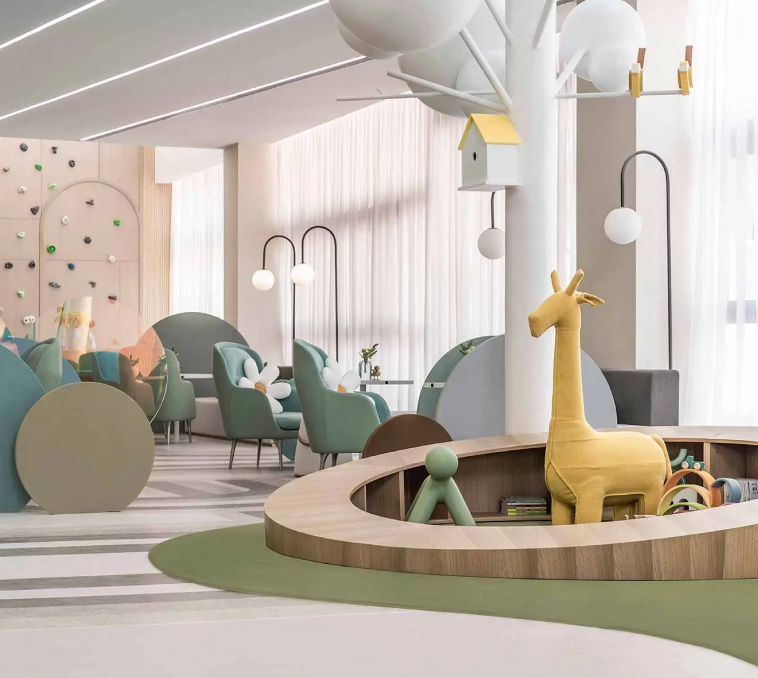
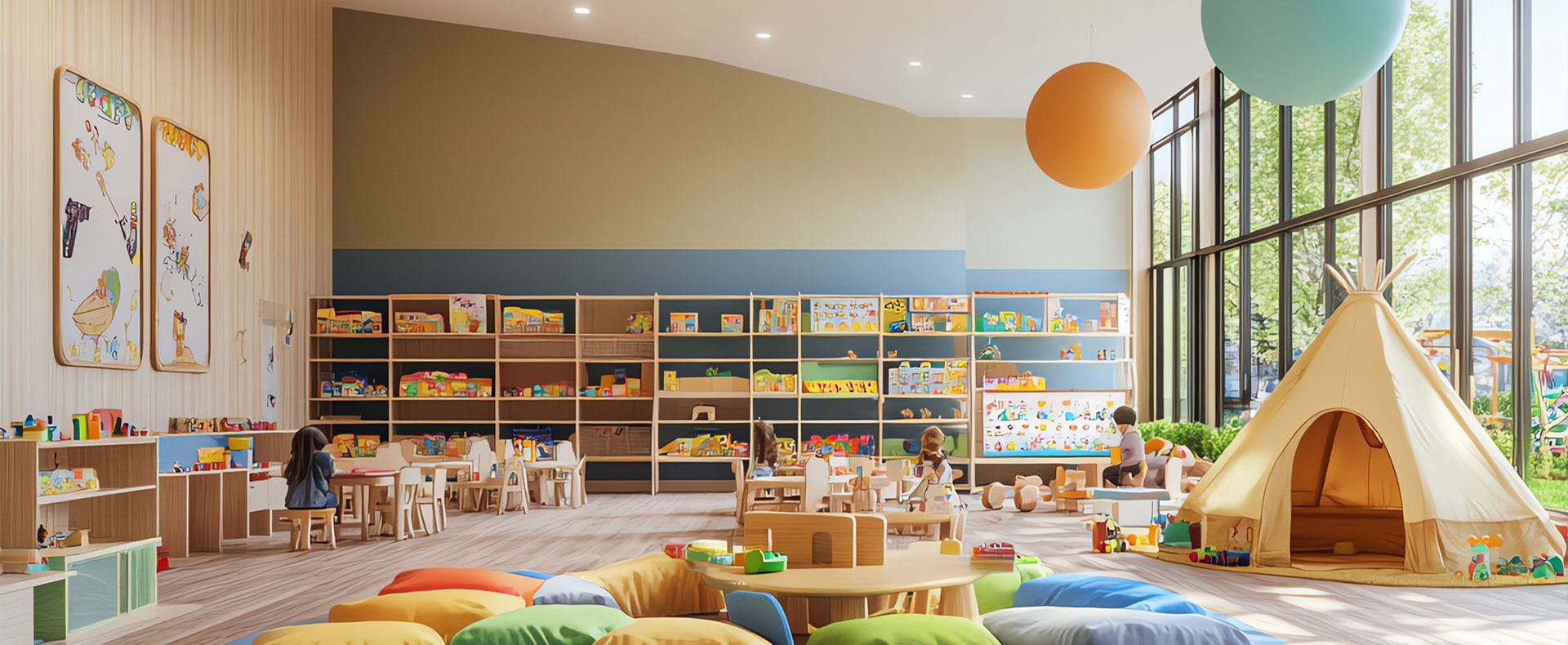
Natural light has a profound impact on early childhood development. It influences cognitive development, emotional well-being, physical health, sleep patterns, visual development, behaviour and a connection to nature. Parents and educators should prioritise providing children with environments that incorporate ample natural light to ensure optimal growth and development. Whether at home or an early learning centre, creating spaces that allow children to bask in the beauty and benefits of natural light can set them on a path towards a healthier and more fulfilling life.