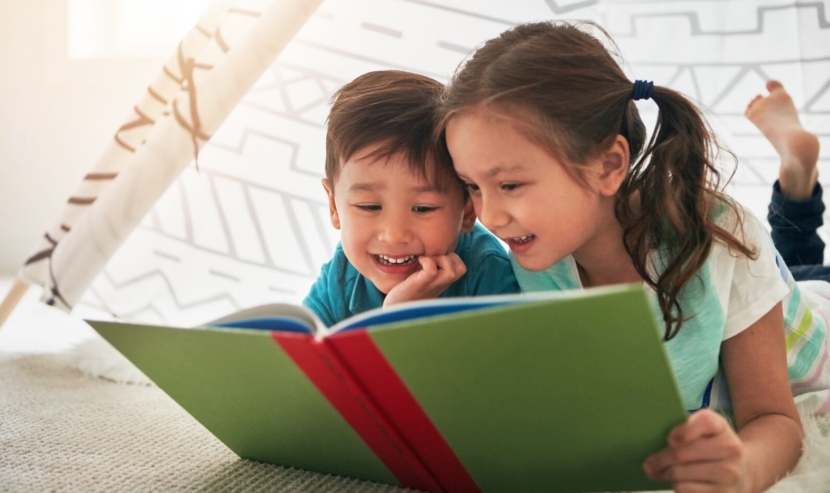






A strong early childhood education experience helps children develop the confidence, curiosity, and skills they need to thrive in the classroom. Parents and developmental experts are all concerned with making sure that even the youngest students are learning in a measurable way.
While the motivation behind it is good, we all want to see children set up for success. It is very easy to push too hard and expect an early childhood classroom to be far more rigorous than it needs to be.
Children learn through play, and unstructured play is an important part of the day in an early childhood classroom. However, children do also need structure in their day to help them develop routines and give them the direct instruction they need. In an early childhood classroom, it’s important to find that balance.
What does it mean to balance education, care, and play?
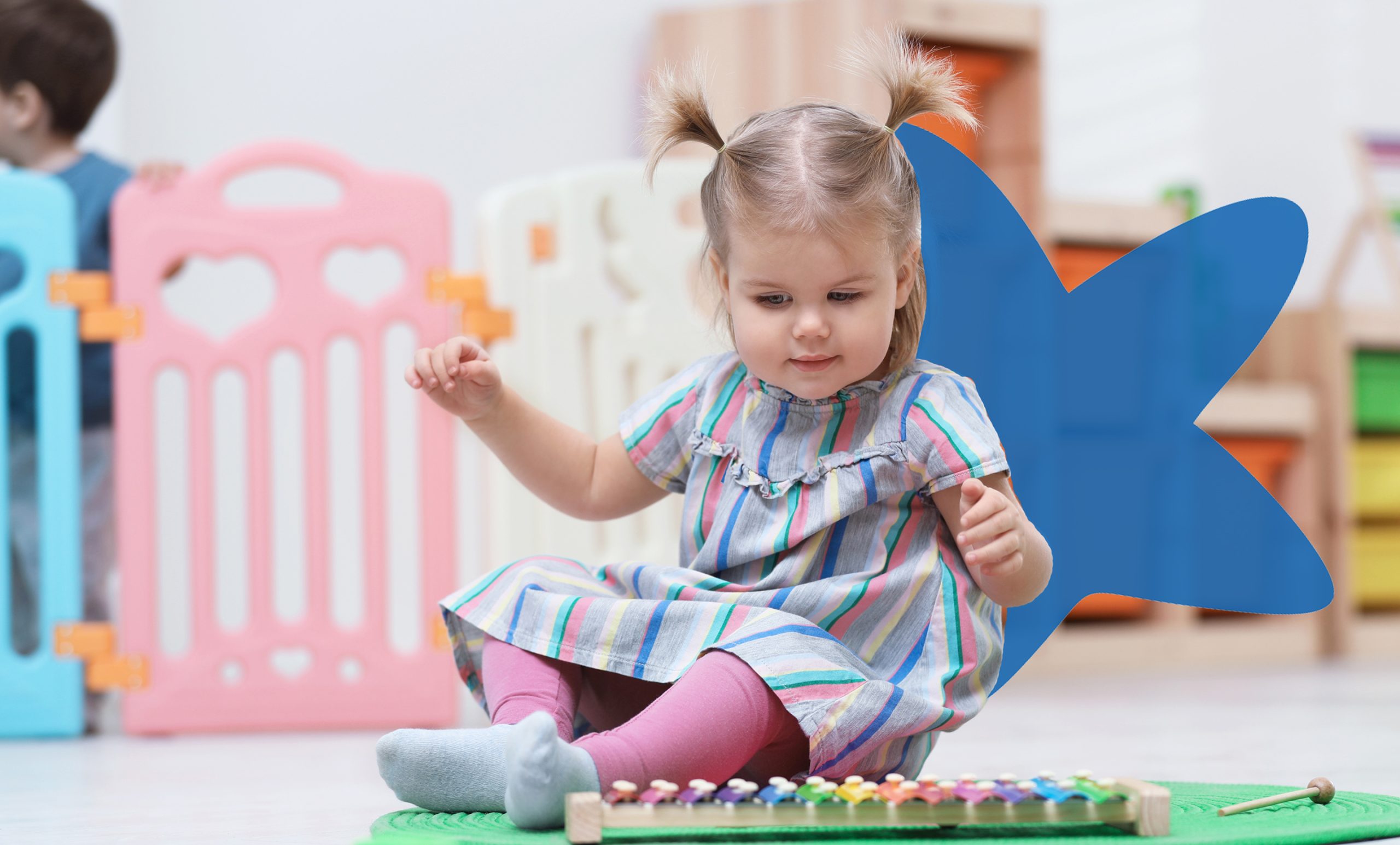
Play is the gateway to learning for young children. It’s through play that they explore, experiment, and make sense of the world around them. Play supports cognitive, social, emotional, and physical development, and it’s essential for building a strong foundation of skills.
- Structured learning: involves intentional, planned activities that aim to achieve specific learning outcomes. These activities often include teacher-led lessons, guided group projects, and skill-focused tasks.
- Holistic development: play and structured learning complement each other. Play nurtures creativity, problem-solving, and social skills, while structured learning introduces new concepts and builds academic foundations.
- Personalised learning: balancing play and structured learning allows educators to tailor their approach to each child’s learning style and needs.
- Joyful engagement: play brings joy and excitement to the learning process, making children eager to explore and discover.
- Preparation for school: structured learning prepares children for the more formal academic environment they’ll encounter in later years.
Great early childhood educators set up their classrooms thoughtfully. When you set up your room, take the time to see it through the eyes of the children. Setting up “invitations to play” is one of the most effective ways to cultivate an environment ready for unstructured play. This may look like theming a dramatic play area to be a café, grocery store, house, doctor or vet’s office, post office, police or fire station, or anything else that your students may be interested in.
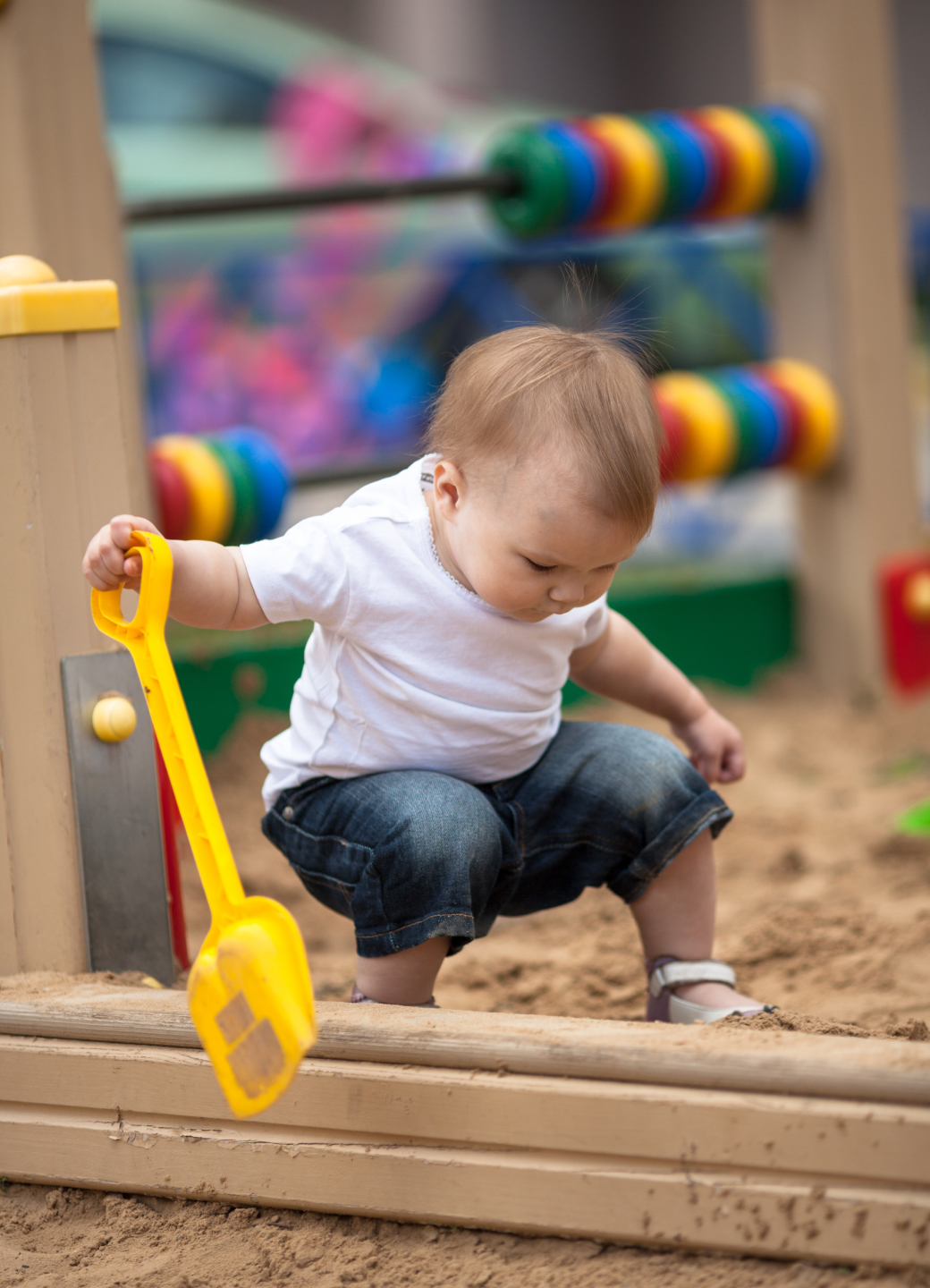
There is no official direction with “how” to play, but by setting up the area, students can be inspired to create their own scene. Setting up a sensory table or bin with sand, water, paper, or any other tactile material (that is age appropriate and safe) and adding in toys or objects from nature that can be used with the material.
Placing blocks or other building materials in an accessible space. Some teachers may begin a structure and purposely leave it “unfinished” so students are inspired to complete the creation as they see fit.
What is play-based learning and how does it work?
Play is a universal experience. When we play, we learn new skills, develop emotional awareness and skills, learn how to communicate with each other, and discover new things.
Play-based learning is child-directed, enjoyable and process-oriented. Through free play, children can explore freely, allowing them to make mistakes without the fear of failure. This helps each learner discover their interests while collaborating with their peers and teachers throughout learning activities. Some key characteristics of play-based learning include:
- Voluntary and self-motivated exploration
- Enjoyable and engaging tasks, both physically and mentally
- Flexible without objectives and process-oriented
- Meaningful and relevant interactions
- Social opportunities and collaborations
Why is play important in early childhood education?
Play is not just fun. It is essential for young children’s development in many ways. From cognitive growth to social-emotional skills, play-based learning offers a rich and engaging way for children to explore the world around them.
- Supports cognitive development: through play, children are able to experiment, solve problems, and make decisions. Whether they are stacking blocks, creating art, or engaging in dramatic play, children are learning foundational skills in math, language, and critical thinking. Play helps them make connections and reinforces concepts in a natural, enjoyable way.
- Develops social and emotional growth: when children engage in play with peers, they learn how to communicate, collaborate, and resolve conflicts. These early social interactions teach empathy, cooperation, and self-regulation, which are all essential for later success in school and life.
- Encourages creativity and imagination: whether it’s building a castle with blocks or pretending to be a superhero, play sparks children’s imaginations and helps them think outside the box. This creativity is not only fun but also helps children build the problem-solving skills that will serve them throughout their education and beyond.
- Promotes physical development: active play is key to developing fine and gross motor skills. Through activities like running, jumping, climbing, and even drawing or cutting with scissors, children strengthen their muscles and improve their coordination. Physical play also supports brain development, as it encourages the brain to form new connections through movement and sensory experiences.
How do early learning centres support educational development?
Daycare centres play an important role in shaping the foundation for a child’s growth. They offer a nurturing environment where children can learn, explore, and develop key skills that will serve them throughout their lives.
- Educators incorporate and integrate a wide variety of experiences, materials, equipment, and teaching strategies to accommodate the range of children’s individual differences in development, languages, skills and abilities, prior experiences, needs, and interests.
- Educators, with the support of families, bring each child’s home cultures and languages into the shared culture of the learning community. They model recognition and valuing of the unique contributions of the home cultures and languages so that these contributions can be recognised and valued by the other members of the learning community. They strategically use the child’s home or family language and cultural ways of learning to enhance each child’s communication, comprehension, self-expression, and learning.
- Educators provide all children opportunities to participate in all activities and encourage children to be inclusive in their behaviours and interactions with peers.
- Educators are prepared to individualise their teaching strategies to meet the specific needs of individual children, including children with disabilities and children whose learning is advanced, by building upon their interests, knowledge, and skills.
- Educators use all the strategies identified here and consult with appropriate specialists and the child’s family; they see that each child gets the adaptations and specialised services needed for full inclusion as a member of the community and that no child is penalised for their ability status.
How early learning centres promote social and emotional development
Early childhood education offers more than just an academic foundation; it also plays a critical role in helping children develop the emotional intelligence and social skills they will carry with them throughout their lives.
From learning to share and cooperate with peers to understanding their own emotions, young children are constantly learning how to navigate the world around them. These social skills and emotional skills are essential for success in school, relationships, and beyond.
Early childhood education provides a nurturing environment where children can safely explore relationships, develop empathy and build confidence. Through guided play, group activities and positive interactions with educators, children learn important social skills such as listening, turn‑taking, problem‑solving and respectful communication. These everyday experiences help children form strong connections with others and develop a sense of belonging.
By supporting social and emotional development in the early years, we help children build resilience, self‑awareness and emotional regulation. These skills allow children to manage challenges, express their feelings appropriately and develop healthy relationships as they grow.
How outdoor play supports children’s growth
- Better breathing: air pollution can trigger allergies, asthma, and other respiratory diseases. It might surprise you to learn, though, that indoor concentrations of air pollutants are often two to five times higher than outdoor concentrations. But spending more time in natural green spaces could help lower the risk of respiratory concerns.
- Improved sleep: typically, a child’s internal clock follows the sun, making you feel awake during the daytime and sleepy towards night time. Although artificial illumination can mimic natural light, direct sunlight has a higher effect than lights found in a closed room.
- Reduced agitated symptoms: sunlight can often help ease agitation caused by several factors children experience during the day. The light can make a child feel fresh and less agitated during the day while exploring the outdoors.
- More motivation to exercise: working out in green spaces could help boost a child’s motivation to move around and get into some exercise. Any activity that gets your child’s body moving can offer some health benefits.
- Boosted immune function: experts suggest that your child is less likely to contract any virus when outside. That’s because air circulation can dilute the presence of viruses in the air. Spending time outdoors can still help your child’s immune system function optimally. Microorganisms found in nature that aren’t dangerous can run practice drills with their immune system, in a manner of speaking, to help prepare it for more serious infections.
Teachers and caregivers promote children’s social and emotional health by establishing trusting relationships, created when teachers express warmth, affection, and respect. Teachers can intentionally teach and enhance these skills using evidence-based strategies to teach, model, and reinforce positive behaviours.
By enrolling your child in a high-quality daycare program, you are setting them up for success as they embark on their educational journey. Our team, at Star Academy Kids, is here to help you with all of your enquiries, contact us now.
FAQs
How do early learning centres balance education and play?
Early learning centre combine structured educational experiences with play-based activities to help children learn naturally. Throughout the day, children explore literacy, numeracy, creativity, and problem-solving through games, storytelling, music, outdoor play, and hands-on experiences. This balanced approach keeps learning engaging while supporting every stage of development.
Why is play important in early childhood education?
Play is one of the most effective ways young children learn. It helps develop communication, creativity, confidence, social skills, emotional resilience, and physical coordination. Through play, children explore their world, solve problems, build relationships, and develop the skills they need for lifelong learning.
What is play-based learning?
Play-based learning is an educational approach where children develop important skills through meaningful play experiences. Educators carefully plan activities that encourage curiosity, imagination, language development, early literacy, numeracy, and critical thinking while allowing children to learn at their own pace in a fun and supportive environment.
How do early learning centres support child development?
Early learning centres support children’s cognitive, social, emotional, physical, and language development through age-appropriate activities and positive relationships. Qualified educators create safe, nurturing environments where every child can build confidence, independence, and essential life skills while reaching important developmental milestones.
What is the difference between childcare and early learning?
Childcare primarily provides a safe and caring environment while parents are at work or studying. Early learning goes beyond supervision by offering a structured educational program designed to support children’s development through play-based learning, guided activities, and intentional teaching. Quality early learning centres provide both care and education.
How do early learning centres prepare children for school?
Early learning centres help children develop the skills they need for a successful transition to school. Through everyday activities, children build early literacy and numeracy skills, learn to follow routines, develop independence, strengthen social skills, improve communication, and gain confidence in group learning environments.
What role do educators play in child development?
Educators play a vital role in supporting each child’s growth by creating engaging learning experiences, encouraging curiosity, building positive relationships, and responding to individual interests and needs. They observe children’s progress, support developmental milestones, and work closely with families to provide the best possible learning experience.
What should parents look for in an early learning centre?
Parents should look for a centre with qualified and caring educators, a safe and welcoming environment, a play-based learning program, strong communication with families, age-appropriate resources, nutritious meals where provided, and opportunities for both indoor and outdoor learning. It’s also important to choose a centre where your child feels happy, secure, and valued.
How much play should children have during the day?
Young children benefit from plenty of opportunities for active, creative, and social play throughout the day. High-quality early learning centres integrate play into daily routines because it is the foundation of early childhood learning. A balance of indoor and outdoor play, quiet activities, guided learning, and free play supports healthy development and wellbeing.