



Painting is not just a fun activity; it’s a valuable educational tool that offers numerous benefits for children’s development. From honing fine motor skills to fostering creativity and preparing for formal education, painting plays a significant role in shaping young minds. Moreover, a good early learning centre enhances these benefits by providing a supportive environment that encourages exploration and growth.
Fine Motor Skills Development
One of the main benefits of painting for children is the development of fine motor skills. Holding a paintbrush, controlling the pressure and making precise movements to create shapes and lines on paper or canvas require coordination and control. As children engage in painting, they refine their hand-eye coordination, grip strength and dexterity. These skills are essential for tasks like writing, tying shoelaces and manipulating objects, making painting an excellent preparatory activity for the challenges of school life.
Creativity and Self-Expression
Painting provides children with a creative outlet for self-expression. Unlike structured activities, painting allows children to explore their imagination freely. They can experiment with colours, shapes and textures to create unique artworks that reflect their thoughts, emotions and experiences. This process fosters creativity, innovation and originality, qualities that are essential for problem-solving and critical thinking in academic and real-life situations.
Emotional and Cognitive Development
Engaging in painting also supports children’s emotional and cognitive development. Through painting, children learn to express their feelings and emotions in a safe and constructive way. They can use colours and symbols to convey happiness, sadness, excitement or anger, helping them to understand and manage their emotions effectively. Additionally, painting stimulates cognitive functions such as observation, imagination and decision-making, which are vital for academic success and lifelong learning.
Preparation for Big School
Painting plays a crucial role in preparing children for the transition to formal education. The skills and abilities acquired through painting, such as fine motor skills, creativity and self-expression, lay a strong foundation for academic learning. Painting helps children develop pre-writing skills by allowing them to practice hand-eye coordination, grip control and letter formation. Moreover, painting fosters confidence and self-esteem, enabling children to approach new challenges with enthusiasm and resilience.
The Role of Early Learning Centres
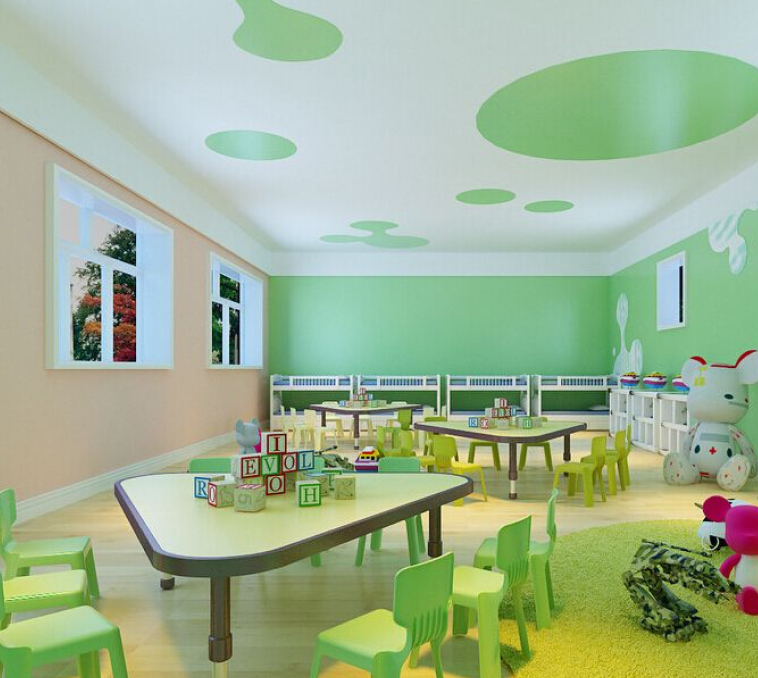
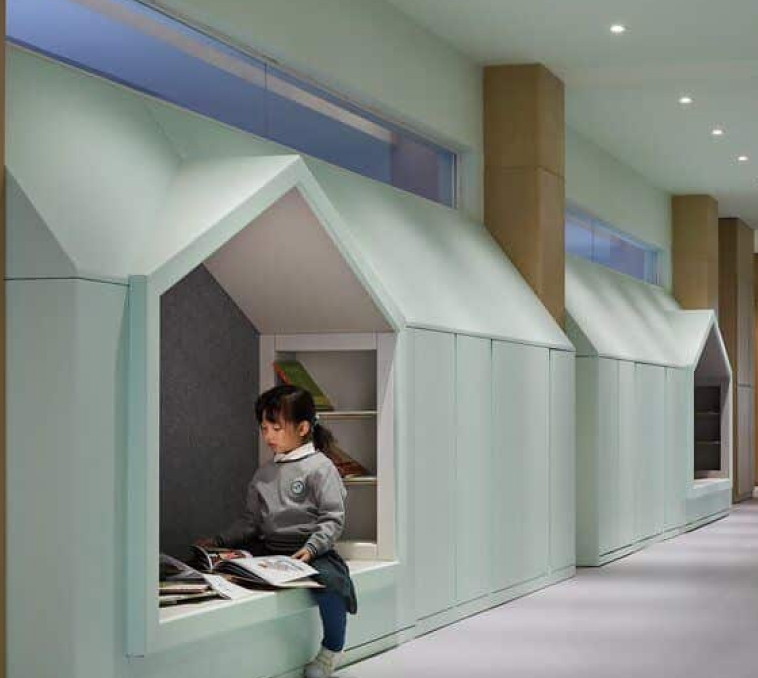
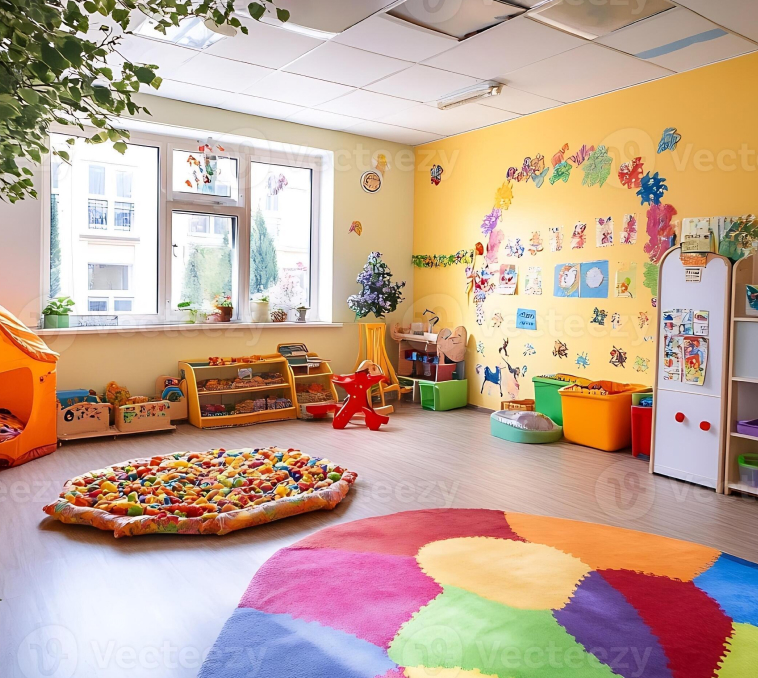
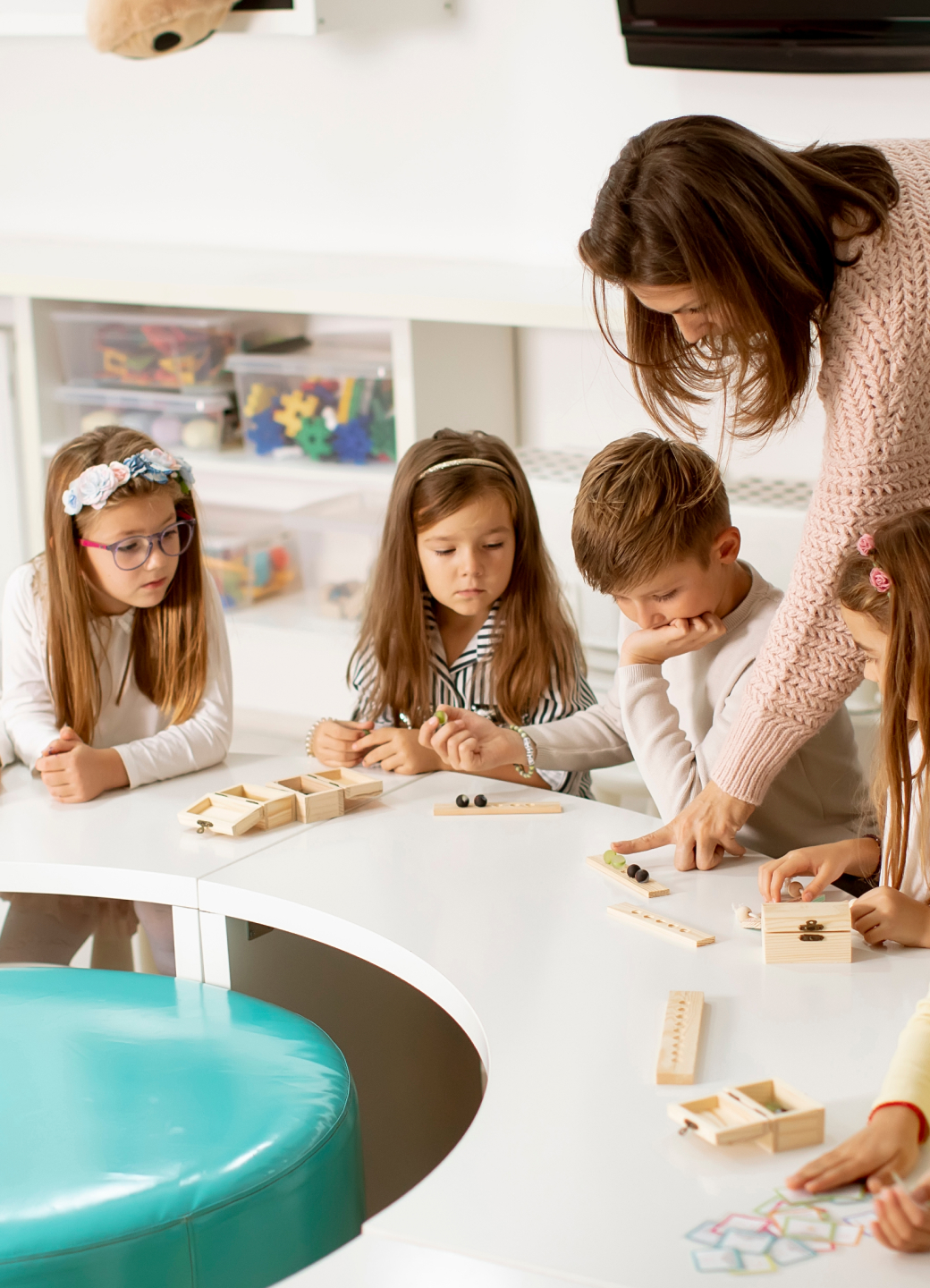
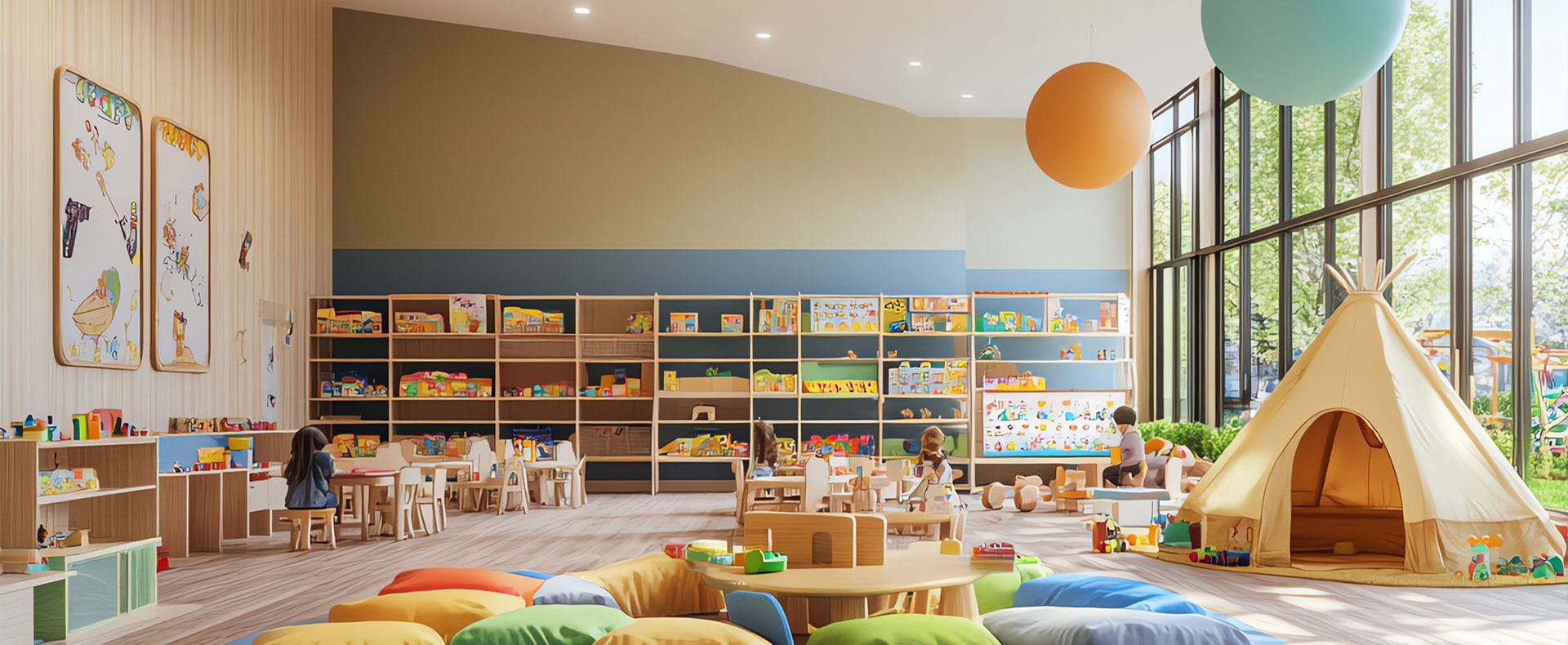
A good early learning centre plays a vital role in maximising the benefits of painting for children. These centres provide a nurturing and stimulating environment where children can explore their interests and talents under the guidance of qualified educators. Early learning centres incorporate painting into their curriculum to promote creativity, fine motor skills and emotional expression. They provide access to a variety of art materials and techniques, allowing children to experiment and develop their artistic abilities.
Furthermore, early learning centres support children’s overall development by fostering social skills, independence and curiosity. Through collaborative art projects and group activities, children learn to communicate, cooperate and respect others. Early learning centres also offer a structured and supportive learning environment (such as what we do here at Star Academy Kids) that prepares children for the challenges of big school while nurturing their love for learning and exploration.
Preparing Children for Success
Painting offers a wealth of benefits for children’s development, including fine motor skills, creativity, emotional expression and preparation for formal education. When combined with the nurturing environment of a good early learning centre, painting becomes a powerful tool for shaping young minds and preparing them for success in school and beyond.