

Categories
Blog

Preparing Your Toddler for Childcare in 2025 

Sending your toddler to childcare is a big step, both for your little one and for you. As we approach 2025, the way childcare is approached continues to evolve, with more emphasis on emotional wellbeing, learning outcomes and technology integration. Whether you’re in Belfield, Campsie, or Liverpool, it’s important to prepare both your child and yourself for a smooth transition. Here are some helpful tips for parents in these Sydney suburbs to ensure a positive start to childcare in 2025. 

  1. Start the Conversation Early

Begin talking to your toddler about childcare well in advance. At 2-3 years old, toddlers can start to grasp the concept of spending time away from their parents. Use positive language and focus on the fun aspects, like playing with new friends or learning exciting activities. Explain that you’ll return to pick them up at the end of the day. Regularly talking about this experience helps reduce anxiety and sets the tone for a positive transition. 

  1. Establish a Routine

Children thrive on routine, so establishing a consistent daily schedule before your child starts childcare will help them adapt more easily. Set up regular meal times, nap times and bedtime routines to create a sense of predictability. If you’re preparing to drop your child off at childcare in 2025, aim to simulate these routines as closely as possible at home. 

  1. Visit the Childcare Centre Together

Most childcare providers in Belfield, Campsie and Liverpool will offer pre-enrolment visits or orientation days. Use this opportunity to familiarise your toddler with their new environment. Let them explore the play areas, meet the carers and engage with other children. This will help your toddler feel more at ease when they start, knowing the space and people they’ll be interacting with. 

  1. Foster Social Skills

Socialisation is one of the key benefits of childcare, but it can also be one of the biggest challenges for a toddler. Arrange playdates with other children ahead of time to help your little one practice sharing, taking turns and engaging with peers. These early experiences will make it easier for your toddler to navigate group settings. 

  1. Emotional Support and Reassurance

Transitions can be tough on toddlers and 2025’s focus on emotional wellbeing in childcare means staff will be sensitive to your child’s feelings. Before starting childcare, help your toddler manage separation anxiety by keeping goodbyes brief and positive. Reassure them that you will always come back and consider leaving a small comfort item, like a favourite toy or blanket, to make them feel more secure. 

Preparing your toddler for childcare in 2025 requires a mix of thoughtful conversations, planning and emotional support. With these strategies, your child will be on their way to a successful and joyful start at their new childcare setting in Belfield, Campsie, or Liverpool. 

Categories
Blog

Fun Activities for Toddlers in 2025 

As a parent, you’re always on the lookout for engaging activities that can nurture your toddler’s cognitive development. In 2025, innovative approaches to learning and play are more accessible than ever, offering exciting opportunities for growth and discovery. Here are some fun activities to consider for your little ones. 

Nature Scavenger Hunts   

With Sydney’s beautiful parks and coastal areas, a nature scavenger hunt is a fantastic way to encourage exploration and curiosity. Create a simple checklist of items to find—like a smooth pebble, a feather or a specific leaf. This activity not only enhances observational skills but also fosters a connection with the environment. As they search, encourage your toddler to ask questions about what they see, promoting language skills and critical thinking. 

Interactive Storytime   

Reading is fundamental to cognitive development and in 2025, interactive storytime sessions are gaining popularity. Libraries and community centres in Sydney now offer story sessions where children can engage with the story through puppets, songs and even digital media. This multi-sensory approach helps improve comprehension and encourages a love for reading, making stories come alive for young minds. 

DIY Sensory Bins   

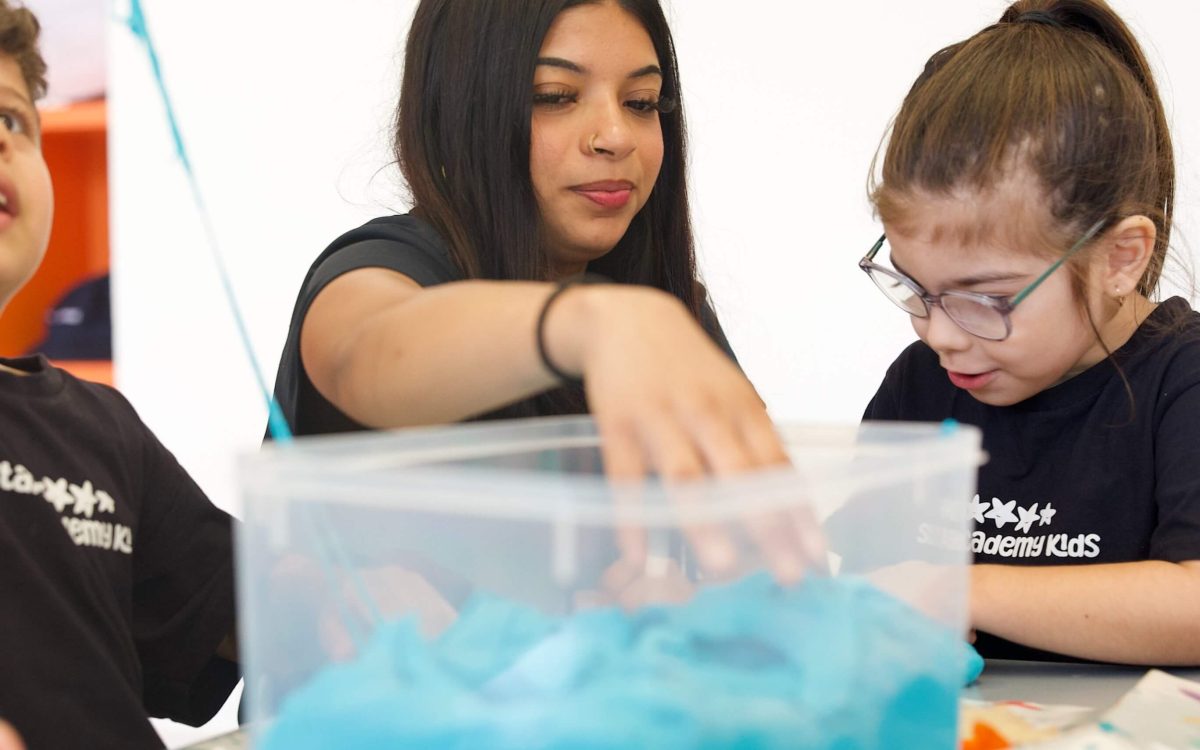
Sensory play remains a powerful tool for cognitive development. Create sensory bins filled with safe materials such as rice, beans or sand. You can add items related to different themes—like ocean creatures or farm animals—to stimulate imaginative play. As toddlers explore different textures and shapes, they enhance their fine motor skills and learn to categorise and sort objects, crucial for cognitive growth. 

Educational Apps and Games   

With the rise of technology, there are numerous educational apps designed for toddlers that are both fun and stimulating. Look for apps that focus on puzzles, shape recognition and simple problem-solving. These digital tools can complement hands-on learning experiences and provide an engaging way for toddlers to practice their cognitive skills in a controlled environment. 

Music and Movement Classes   

Music stimulates brain development in toddlers. Enrol your little one in local music and movement classes available throughout Sydney. These classes not only encourage physical activity but also improve listening skills, memory and social interaction through group activities and singing. 

In 2025, the options for cognitive development activities are diverse and exciting. Embrace these fun opportunities to enrich your toddler’s learning experience while enjoying quality time together. With the beautiful backdrop of Sydney, every outing can be an adventure in discovery and growth. 

Categories
Blog

How Multicultural Education Helps Children Prepare for the Future 

In today’s increasingly interconnected world, multicultural education plays a crucial role in preparing children for the future. This type of education fosters an understanding and appreciation of diverse cultures, enabling children to develop essential social and cognitive skills that will benefit them in a globalised society. By exposing young learners to various traditions, languages and perspectives, multicultural education broadens their worldview, enhances empathy and promotes inclusivity. These qualities are critical in shaping well-rounded individuals who can navigate and thrive in a multicultural workforce and society. 

Developing Empathy 

One of the key benefits of multicultural education is the development of empathy and respect for diversity. When children are introduced to different cultures at an early age, they learn to appreciate differences and see them as opportunities for learning rather than sources of conflict. This promotes tolerance and reduces the likelihood of prejudice, helping children become more open-minded and adaptable. As they grow, these skills become increasingly important in a world where collaboration with people from various backgrounds is often necessary for success. 

Exposure to Diverse Perspectives 

Moreover, multicultural education enhances cognitive development. Research shows that exposure to diverse perspectives helps children become more creative and better problem-solvers. By learning about different ways of life, children are encouraged to think critically, ask questions and challenge assumptions. This ability to analyse and adapt is invaluable in the modern world, where rapid technological advancements and shifting global dynamics demand flexibility and innovation. 

Role of Early Learning Centres 

Early learning centres play a pivotal role in promoting multicultural education. These centres provide a safe and supportive environment where children can engage with a wide range of cultures through activities, books and interactions with peers. Teachers in early learning centres are trained to incorporate multicultural themes into everyday learning, helping children understand cultural differences through play, storytelling and group activities. These experiences not only foster cultural awareness but also build strong communication and social skills. 

Furthermore, early learning centres often celebrate cultural diversity by organising events such as multicultural days, where children can experience different foods, music and customs. These activities provide hands-on learning opportunities that make abstract concepts like cultural appreciation more tangible and meaningful to young minds. 

Multicultural education, especially when introduced in early childhood through learning centres, equips children with the emotional intelligence, adaptability and critical thinking skills they need to succeed in a diverse and interconnected world. It prepares them to approach the future with confidence, curiosity and respect for others. 

Categories
Blog

How Does Storytelling Affect Children’s Brains? 

Storytelling plays a profound role in shaping the development of children’s brains. From a young age, children’s minds are highly malleable, constantly absorbing and organising information. When they listen to stories, they engage multiple areas of the brain, enhancing cognitive, social and emotional development. 

Stimulating the neural networks 

One of the key ways storytelling affects the brain is by stimulating the neural networks responsible for language acquisition. As children hear new words and phrases within the context of a narrative, they are able to grasp meaning more effectively than through rote memorisation. This process strengthens vocabulary, comprehension and communication skills. The more stories children are exposed to, the greater their ability to understand and articulate complex ideas. 

Better imagination and critical thinking 

Furthermore, storytelling activates areas of the brain associated with imagination and critical thinking. As children visualise the characters, settings and events described in a story, their brains are effectively practicing how to create mental imagery and process abstract concepts. This helps develop creativity, problem-solving abilities and cognitive flexibility. 

Nurturing emotional intelligence 

Storytelling also nurtures emotional intelligence. By hearing stories about different characters, children learn empathy as they begin to understand different perspectives, emotions and experiences. Over time, this enhances their ability to manage their own feelings and relate to others, which is crucial for forming healthy social connections. 

The role of early learning centres in supporting development 

Early learning centres play an essential role in fostering these developmental benefits through structured reading and storytelling activities. Storytime is often a daily feature in early childhood education programs, offering a range of age-appropriate narratives that capture children’s imaginations while enhancing their listening skills and focus. 

Many early learning centres use interactive storytelling methods, where children are encouraged to participate by predicting outcomes or discussing the motivations of characters. This engagement supports cognitive growth by encouraging critical thinking and decision-making. Moreover, storytelling sessions are often paired with activities like drawing or acting out scenes from the story, which further stimulates creativity and reinforces learning. 

Additionally, reading in groups introduces children to social learning environments, helping them develop collaboration skills and emotional understanding. By promoting a love for reading and storytelling, early learning centres help set the foundation for lifelong learning, ensuring that children grow into well-rounded individuals who can think critically, empathise with others and communicate effectively. 

Categories
Blog

Cognitive Science of Early Childhood Development 

Cognitive science, an interdisciplinary field that studies the mind and its processes, plays a crucial role in understanding early childhood development. The first few years of life are marked by rapid brain development, laying the foundation for lifelong learning, behaviour and health. During this period, children acquire essential skills such as language, motor coordination, emotional regulation and social interaction. Cognitive science provides valuable insights into how these processes unfold, offering strategies for optimising early development. 

The importance of early experiences 

One of the key principles in cognitive science is that children’s brains are highly plastic during the early years. This plasticity means that the brain can adapt and reorganise itself in response to experiences. Positive interactions, such as talking, reading and playing with a child, can significantly enhance cognitive development. Conversely, lack of stimulation or exposure to stress can hinder this development. Understanding these dynamics can help parents and caregivers create environments that support healthy brain growth. 

Early learning centres play a pivotal role in harnessing the potential of early childhood development. These centres provide structured environments where children can engage in activities that promote cognitive, social and emotional growth. Trained educators use evidence-based practices to create stimulating, safe and nurturing spaces that encourage exploration and learning. Through play-based learning, children develop critical thinking skills, problem-solving abilities and emotional intelligence, all of which are essential for success in later life. 

The importance of timely and targeted interventions 

Moreover, early learning centres are vital in identifying and addressing developmental delays or challenges early on. By observing children in a structured setting, educators can collaborate with parents and specialists to provide targeted interventions, ensuring that every child has the opportunity to thrive. 

For parents, knowledge of cognitive science offers practical guidance on how to support their child’s development at home. Understanding the importance of early experiences can lead parents to engage more deliberately in activities that promote learning, such as interactive play, reading aloud and encouraging curiosity. Additionally, awareness of developmental milestones and the typical range of variation can help parents set realistic expectations and avoid undue pressure. 

Bridging the gap 

Incorporating cognitive science into parenting and early education not only enhances children’s developmental outcomes but also empowers parents and educators to make informed decisions that benefit a child’s overall well-being. By bridging the gap between research and practice, cognitive science equips parents and educators with the tools to foster an environment where children can reach their full potential. 

Categories
Blog

What Can Developmental Psychology Teach Us About Early Learning 

Developmental psychology offers profound insights into how children learn and grow during their formative years. By studying the cognitive, emotional and social development of young children, researchers and educators gain valuable knowledge that shapes early learning practices and enhances overall development. 

Foundations of Early Learning 

Developmental psychology underscores the importance of early experiences in shaping a child’s cognitive abilities, emotional resilience and social skills. During infancy and early childhood, the brain undergoes rapid growth and development, laying the foundation for future learning and behaviour. Stimulating environments, responsive caregiving and enriching interactions play pivotal roles in nurturing these early developmental milestones. 

Cognitive Development and Learning 

Key theories in developmental psychology, such as Piaget’s stages of cognitive development and Vygotsky’s sociocultural theory, highlight how children construct knowledge and understanding of the world. Early learning centres leverage these theories by providing age-appropriate activities and educational experiences that promote cognitive growth. Through hands-on exploration, problem-solving tasks and guided play, children develop critical thinking skills, language proficiency and mathematical understanding crucial for academic success. 

Emotional and Social Growth 

Emotional development is integral to early learning, influencing how children manage feelings, build relationships and navigate social interactions. Developmental psychology emphasises the role of nurturing environments in fostering emotional resilience and empathy. Early learning centres create supportive atmospheres where children learn to express emotions constructively, develop self-awareness and cultivate healthy relationships with peers and adults alike. 

Role of Early Learning Centres 

Early learning centres serve as nurturing environments where developmental psychology principles are applied to support comprehensive child development. These centres offer structured learning activities tailored to children’s developmental stages, encouraging exploration, creativity and curiosity. Educators trained in developmental psychology techniques provide individualised attention, fostering each child’s unique strengths and addressing areas needing further development. 

Holistic Approach to Development 

Developmental psychology underscores the holistic nature of child development, recognising the interplay between cognitive, emotional, social and physical domains. Early learning centres integrate these aspects by offering diverse learning experiences that promote well-rounded development. Activities such as music and movement, sensory play, outdoor exploration and artistic expression stimulate multiple facets of development, nurturing children’s innate curiosity and enthusiasm for learning. 

Nurturing the Potential of Every Child 

Incorporating developmental psychology principles into early learning practices enhances our understanding of how children learn and develop. Early learning centres play a vital role in fostering cognitive growth, emotional resilience and social competence among young learners. By providing supportive environments and evidence-based educational approaches, these centres empower children to thrive academically, socially and emotionally. As our knowledge of developmental psychology continues to evolve, so too does our ability to nurture the potential of every child, ensuring they embark on a lifelong journey of learning and growth. 

Categories
Blog

What Do Children Learn from Painting? 

Painting is not just a fun activity; it’s a valuable educational tool that offers numerous benefits for children’s development. From honing fine motor skills to fostering creativity and preparing for formal education, painting plays a significant role in shaping young minds. Moreover, a good early learning centre enhances these benefits by providing a supportive environment that encourages exploration and growth. 

Fine Motor Skills Development 

One of the main benefits of painting for children is the development of fine motor skills. Holding a paintbrush, controlling the pressure and making precise movements to create shapes and lines on paper or canvas require coordination and control. As children engage in painting, they refine their hand-eye coordination, grip strength and dexterity. These skills are essential for tasks like writing, tying shoelaces and manipulating objects, making painting an excellent preparatory activity for the challenges of school life. 

Creativity and Self-Expression 

Painting provides children with a creative outlet for self-expression. Unlike structured activities, painting allows children to explore their imagination freely. They can experiment with colours, shapes and textures to create unique artworks that reflect their thoughts, emotions and experiences. This process fosters creativity, innovation and originality, qualities that are essential for problem-solving and critical thinking in academic and real-life situations. 

Emotional and Cognitive Development 

Engaging in painting also supports children’s emotional and cognitive development. Through painting, children learn to express their feelings and emotions in a safe and constructive way. They can use colours and symbols to convey happiness, sadness, excitement or anger, helping them to understand and manage their emotions effectively. Additionally, painting stimulates cognitive functions such as observation, imagination and decision-making, which are vital for academic success and lifelong learning. 

Preparation for Big School 

Painting plays a crucial role in preparing children for the transition to formal education. The skills and abilities acquired through painting, such as fine motor skills, creativity and self-expression, lay a strong foundation for academic learning. Painting helps children develop pre-writing skills by allowing them to practice hand-eye coordination, grip control and letter formation. Moreover, painting fosters confidence and self-esteem, enabling children to approach new challenges with enthusiasm and resilience. 

The Role of Early Learning Centres 

A good early learning centre plays a vital role in maximising the benefits of painting for children. These centres provide a nurturing and stimulating environment where children can explore their interests and talents under the guidance of qualified educators. Early learning centres incorporate painting into their curriculum to promote creativity, fine motor skills and emotional expression. They provide access to a variety of art materials and techniques, allowing children to experiment and develop their artistic abilities. 

Furthermore, early learning centres support children’s overall development by fostering social skills, independence and curiosity. Through collaborative art projects and group activities, children learn to communicate, cooperate and respect others. Early learning centres also offer a structured and supportive learning environment (such as what we do here at Star Academy Kids) that prepares children for the challenges of big school while nurturing their love for learning and exploration. 

Preparing Children for Success 

Painting offers a wealth of benefits for children’s development, including fine motor skills, creativity, emotional expression and preparation for formal education. When combined with the nurturing environment of a good early learning centre, painting becomes a powerful tool for shaping young minds and preparing them for success in school and beyond. 

Categories
Blog

What Does an Ideal Early Learning Environment Look Like? 

An ideal early learning environment is more than just a space where children spend their time—it is a nurturing and stimulating setting that lays the foundation for lifelong learning and development. Early learning centres play a crucial role in creating such environments, providing young children with the support, resources and experiences they need to thrive during their formative years. 

Holistic development 

One of the key elements of an ideal early learning environment is a focus on holistic development. This means addressing all aspects of a child’s growth, including physical, cognitive, social, emotional and creative development. Early learning centres achieve this by offering a variety of age-appropriate activities and experiences that cater to the diverse needs and interests of young children. 

Importance of play-based learning 

In an ideal early learning environment, there is a strong emphasis on play-based learning (such as what we emphasise here at Star Academy Kids Early Learning Centre). Play is the primary way through which young children explore their world, make sense of their experiences and develop essential skills such as problem-solving, communication and cooperation. Early learning centres provide ample opportunities for children to engage in open-ended, imaginative play both indoors and outdoors, fostering creativity, curiosity and exploration. 

Warm and nurturing relationships 

Furthermore, an ideal early learning environment is characterised by warm and nurturing relationships between children and educators. Early childhood educators play a vital role in supporting children’s social and emotional development, providing a secure base from which they can explore and learn. By building strong connections with children and their families, educators create a sense of belonging and trust that is essential for optimal learning and development. 

Embracing all backgrounds and cultures 

In addition to nurturing relationships, an ideal early learning environment promotes a sense of inclusion and diversity. Children from all backgrounds, cultures and abilities are welcomed and respected, fostering a sense of empathy, understanding and appreciation for others. Early learning centres celebrate diversity through multicultural curriculum, inclusive teaching practices and a supportive learning community where every child feels valued and accepted. 

Safe indoor and outdoor spaces 

Another important aspect of an ideal early learning environment is a safe and healthy physical environment. Early learning centres prioritise the safety and well-being of children by ensuring that indoor and outdoor spaces are clean, well-maintained and free from hazards. They also promote healthy eating habits and physical activity through nutritious meals and snacks, as well as opportunities for active play and movement throughout the day. 

Giving children an amazing start in life 

An ideal early learning environment is a nurturing, stimulating and inclusive setting that supports the holistic development of young children. Early learning centres play a vital role in creating such environments, providing children with the foundation they need to thrive academically, socially, emotionally and creatively. By prioritising play-based learning, fostering warm and nurturing relationships, celebrating diversity and promoting safety and well-being, early learning centres set children on the path to lifelong learning and success. 

Categories
Blog

How Does AI Impact Child Development? 

Artificial Intelligence (AI) is rapidly transforming the world around us and its influence extends to the way our children learn, grow and interact with their environment. Understanding how AI can both enhance and potentially hinder child development is crucial as we navigate a future where technology and humans become increasingly intertwined. Here’s a look at AI’s impact and how Australia is proactively preparing children to thrive in this changing landscape. 

Potential Benefits of AI for Child Development 

Personalised Learning: AI-powered educational tools can adapt to each child’s unique learning style and pace, offering tailored instruction to address individual strengths and weaknesses. 

Early Intervention and Support: AI algorithms can assist in the early identification of developmental delays or learning difficulties, facilitating timely intervention and personalised support. 

Language Development: AI language learning tools can expose children to new vocabulary and sentence structures in a playful and engaging way. 

Stimulating Curiosity and Creativity: AI-powered toys, games and educational apps can spark children’s curiosity, fostering problem-solving skills and encouraging a playful exploration of technology. 

Potential Challenges of AI on Child Development 

Social and Emotional Development: Overreliance on AI devices could potentially reduce opportunities for face-to-face interactions crucial for developing social skills, empathy and emotional intelligence. 

Critical Thinking and Problem-Solving: While AI can provide answers, children need to develop the ability to think independently and solve problems without relying solely on technology. 

Privacy Concerns: AI collects vast amounts of data, raising ethical considerations about the privacy and security of children’s information. 

Algorithmic Bias: AI systems can perpetuate societal biases if trained on biased data, inadvertently exposing children to stereotypes and discrimination. 

Preparing Children for an AI-Driven Future: The Australian Approach 

The Australian government and early learning centres recognise the importance of preparing children for an increasingly AI-dominated world. Here’s how they’re working to strike the right balance: 

Digital Literacy Initiatives: Programs focus on teaching children about AI, coding and responsible technology use, empowering them to become creators, not just consumers, of technology. 

Emphasis on Human Skills: Early childhood education prioritises skills that AI cannot easily replicate, such as critical thinking, creativity, collaboration, communication and empathy. 

Ethical AI Frameworks: The government is developing policies and guidelines to ensure safe, ethical and responsible use of AI in areas that directly affect children. 

Research and Collaboration: Universities and research institutions are studying the impacts of AI on child development, informing policy decisions and refining best practices in early childhood education. 

The Importance of the Early Years Learning Framework (EYLF) & Play-Based Learning 

In this evolving landscape, the EYLF and play-based learning have become even more relevant in helping children develop essential skills for the future. Here’s why: 

Developing Agency and Initiative: Play provides a space for children to experiment, make choices and solve problems independently, laying the foundation for critical thinking skills. 

Fostering Creativity and Imagination: Open-ended play allows for flexible thinking, innovation and the ability to envision new possibilities – traits highly valued in a tech-driven world. 

Building Social and Emotional Intelligence: Collaborative play helps children learn how to communicate, cooperate, negotiate and understand different perspectives, crucial skills for navigating complex relationships and workplaces. 

A Balanced Approach is Key 

AI holds both promise and potential challenges for child development. Australia’s proactive approach emphasises harnessing the benefits of AI while mitigating potential risks. By promoting digital literacy, fostering human-centric skills, upholding ethical AI practices and emphasising the irreplaceable value of play and the EYLF, we can empower children to thrive in an AI-influenced future, ensuring technology serves their development and well-being. 

Categories
Blog

Why Early Childhood Education Matters 

The first few years of a child’s life are a time of astonishing growth and development. It’s during this period that the foundations are laid for future learning, health and overall well-being. This is why early childhood education plays such a crucial role in shaping a child’s trajectory. 

Early childhood education refers to the education and care of children from birth to around the age of five, before they start formal schooling. High-quality early childhood education programs provide a safe, nurturing and stimulating environment where young children can flourish. They focus on holistic development, addressing not only cognitive skills but also social, emotional and physical growth. 

So, why does early childhood education matter? Here are some key reasons: 

Brain Development: The early years are marked by rapid brain development. Experiences during this time literally shape the architecture of the brain. A positive early childhood education environment promotes healthy brain development, laying the groundwork for lifelong learning and resilience. 

Social and Emotional Skills: Early childhood education programs help children develop crucial social and emotional skills. Children learn how to interact with others, build friendships, manage their emotions and resolve conflicts. These skills are essential for success in school and in life. 

Cognitive Development: Early childhood education lays a foundation for later learning in subjects like literacy, math and science. Children engage in playful activities that promote language skills, problem-solving abilities and a love of learning. 

Equity and Opportunity: High-quality early childhood education can help level the playing field, giving all children the opportunity to reach their full potential. This is particularly important for children from disadvantaged backgrounds. 

Australia’s Early Years Learning Framework (EYLF) 

Australia recognises the importance of early childhood education with its Early Years Learning Framework (EYLF). The EYLF provides a national framework for early childhood education programs, emphasising a comprehensive approach to children’s learning and development. It highlights five key outcomes: 

  • Children have a strong sense of identity. 
  • Children are connected with and contribute to their world. 
  • Children have a strong sense of well-being. 
  • Children are confident and involved learners. 
  • Children are effective communicators. 

The EYLF guides educators in creating engaging and developmentally appropriate experiences. It emphasises the importance of play-based learning, relationships with families and a focus on individual children’s strengths and needs. 

By investing in high-quality early childhood education, Australia shows a commitment to the future of its youngest citizens. 

An Amazing Start and a Brighter Future 

Early childhood education isn’t just about babysitting or giving kids a head start in academics. It’s about nurturing the whole child and investing in their future development. The benefits of early childhood education are far-reaching and long-lasting, and nations like Australia that embrace a solid Early Years Learning Framework see their children flourish. 

Here at Star Academy Kids Early Learning Centre, we help children flourish by giving them an amazing start. Through our curriculum that is aligned with the Early Years Learning Framework and our nurturing environment, children can get the best support beyond what they’re currently receiving at home.