


Categories
Blog

How Day Care Centres Prepare Children for School

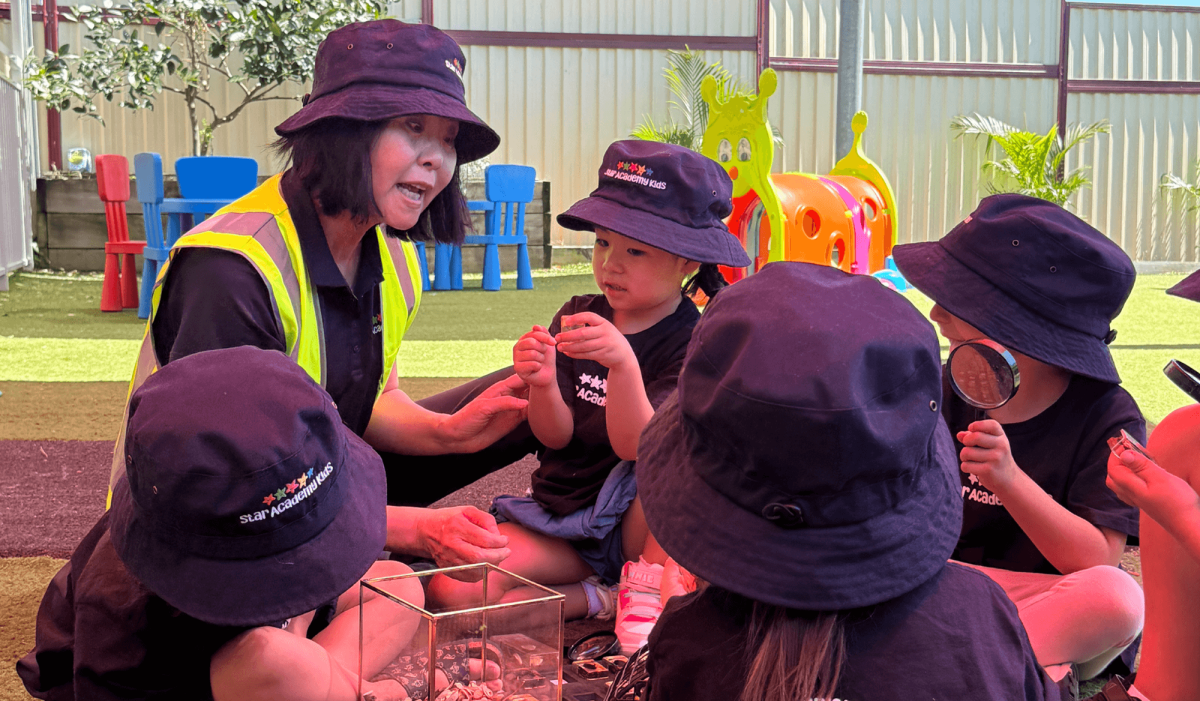
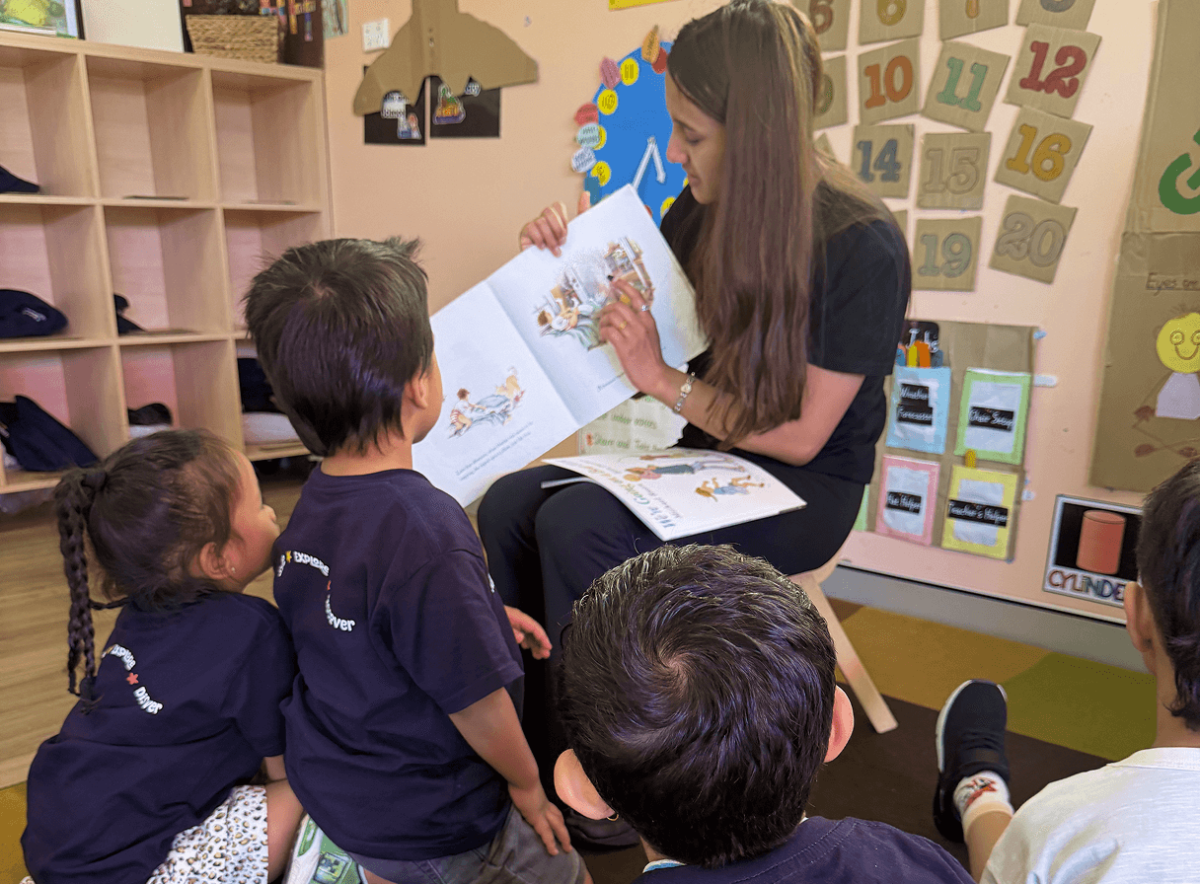
Transitioning from a day care centre to school is a significant milestone in a child’s life. It marks the beginning of their formal education journey. Childcare centres play a crucial role in preparing children for this transition by providing a supportive and enriching environment.

At Star Academy Kids, we understand that preparing for this transition involves much more than academic knowledge. It’s about nurturing the child.

School readiness means helping children feel secure in themselves, capable in their environment, and confident to take on new challenges. It’s about building the social, emotional, physical, and cognitive skills that will not only support a smooth transition to school but also lay the foundation for lifelong learning.

The approach should be child-centred and holistic through an environment where children feel safe to express themselves, take risks, and explore through play; all while being supported by consistent routines, caring educators, and meaningful relationships. With the right guidance and encouragement, every child can step into their school journey feeling excited, equipped, and ready to thrive.

children prepare for school

8 ways childcare centres help children prepare for school 

  • Building independence and self-help skills: childcare centres focus on developing independence and self-help skills in children. They encourage children to take responsibility for tasks such as dressing themselves, using the restroom independently, and tidying up their belongings. By developing these skills, children gain a sense of confidence and self-reliance, which are essential for a successful transition to school.
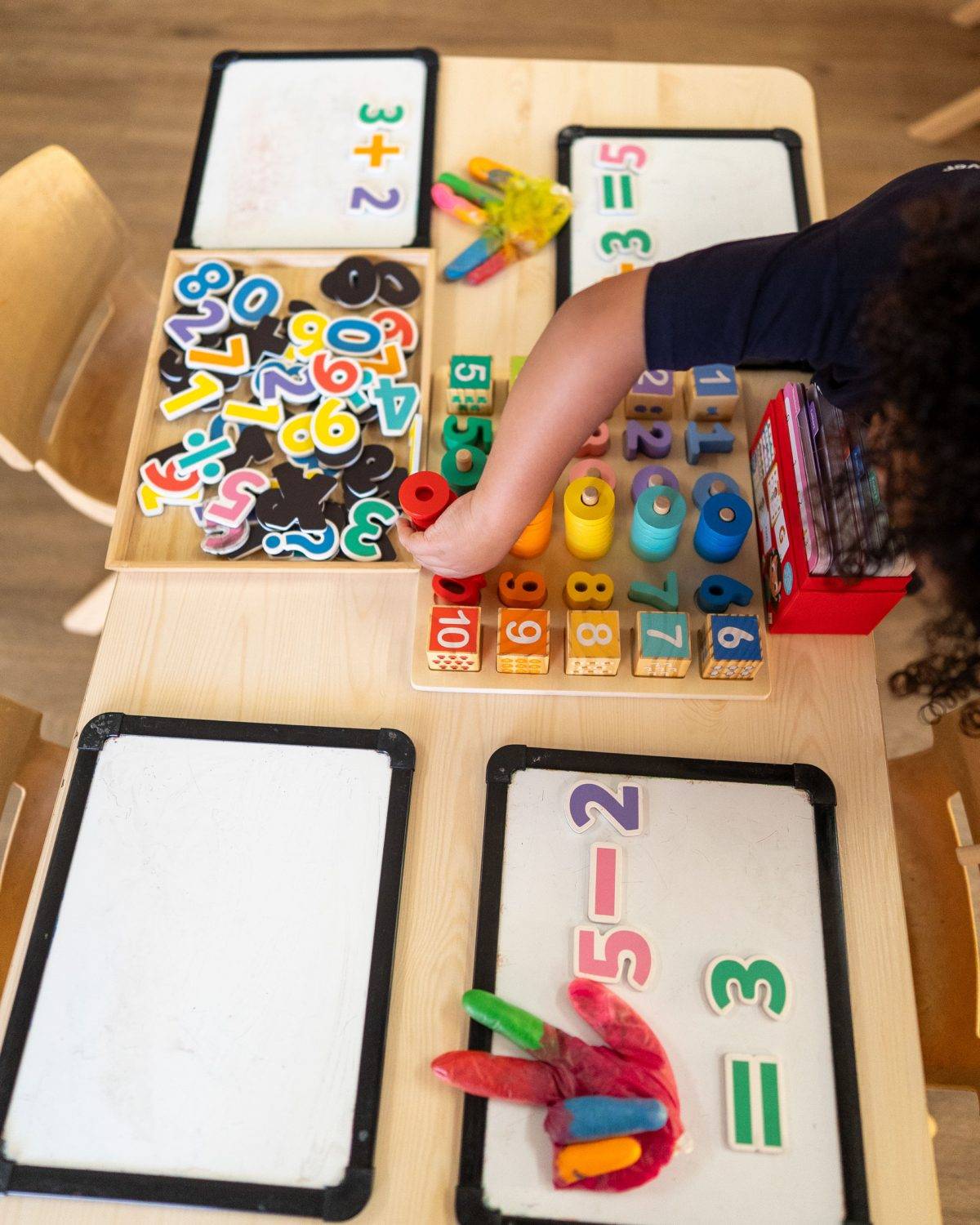
  • Academic readiness: childcare centres create an environment that promotes early literacy and numeracy skills. Through age-appropriate activities and play-based learning, children are exposed to pre-reading and maths concepts. They engage in activities that enhance language development, storytelling, early writing skills, and basic number recognition. These foundations lay the groundwork for a smoother transition to the academic expectations of school.
  • Social and emotional preparation: school is a new social setting where children interact with a larger group of peers and adults. Childcare centres facilitate socialisation by providing opportunities for children to engage in group activities, practice sharing, taking turns, and resolve conflicts peacefully. They also help children recognise and express their emotions, teaching them valuable skills in empathy and self-regulation. These social and emotional competencies play a vital role in ensuring a successful transition to school.
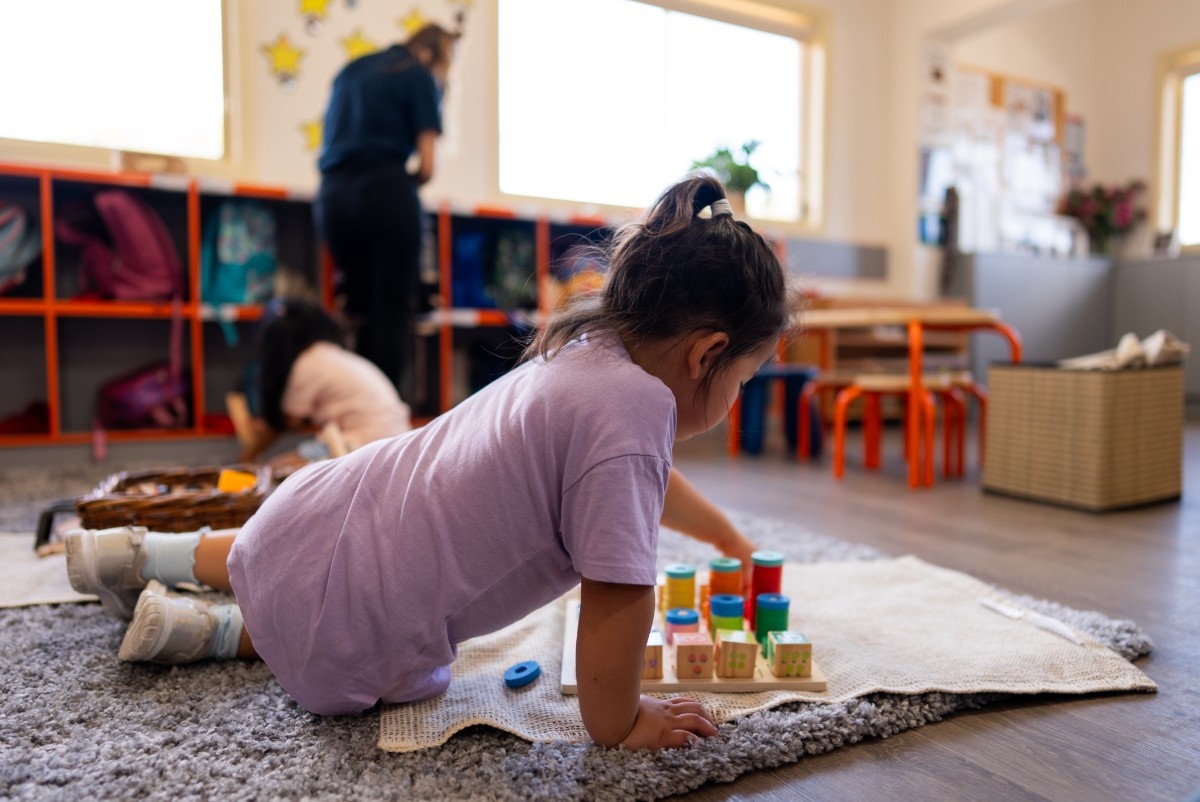
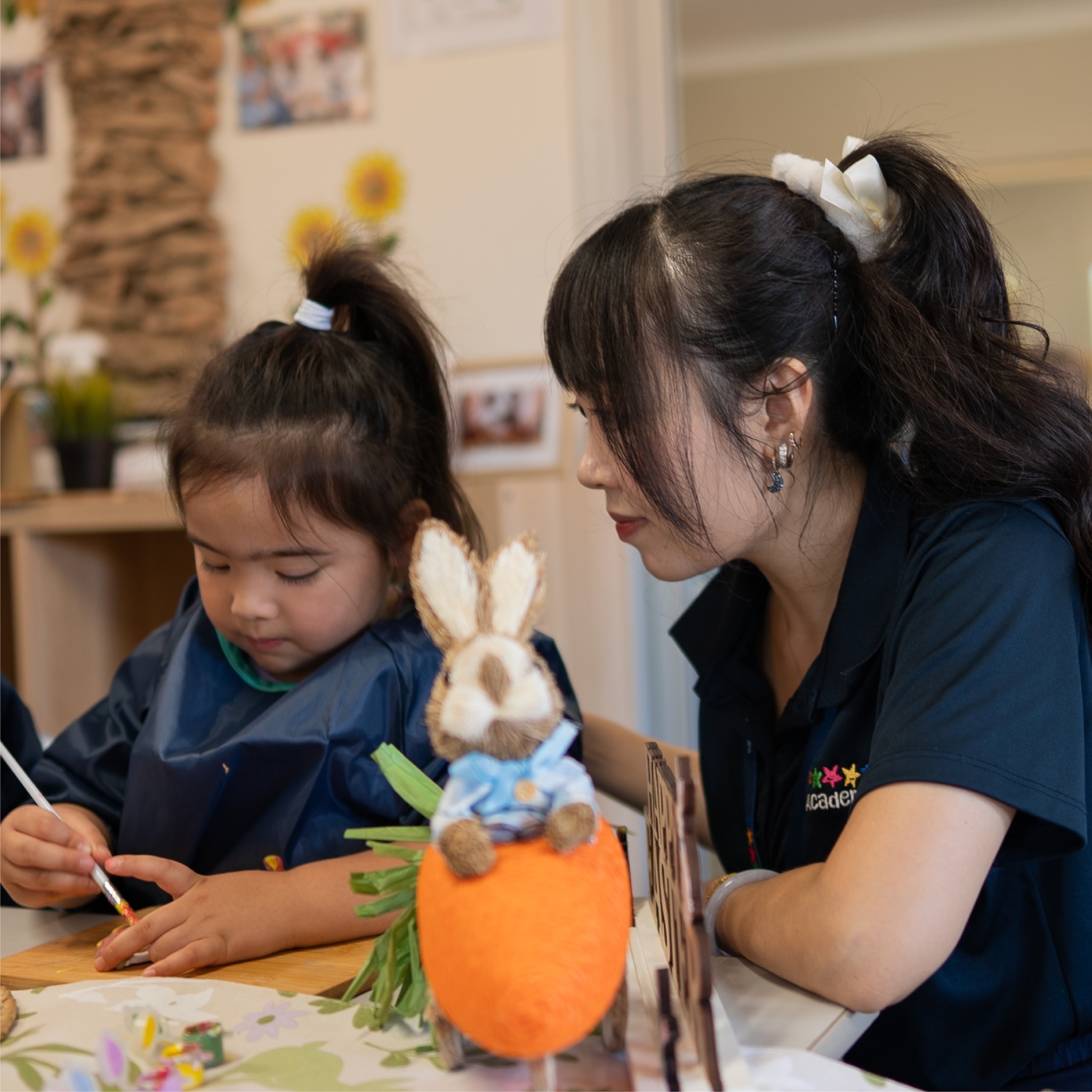
  • Developing fine and gross motor skills: childcare centres prioritise the development of fine and gross motor skills, which are essential for school readiness. Through art projects, puzzles, manipulatives, and outdoor play, children enhance their hand-eye coordination, dexterity, balance, and strength. These skills enable them to participate fully in classroom activities and physical education programs in school.
  • Familiarising with school routines: childcare centres establish structured daily routines that mirror the rhythm of a school day, including playtime, group activities, meals, and rest periods. This consistency helps children understand expectations, build a sense of security, and become familiar with predictable schedules, making the transition to a more structured school environment smoother and more comfortable.
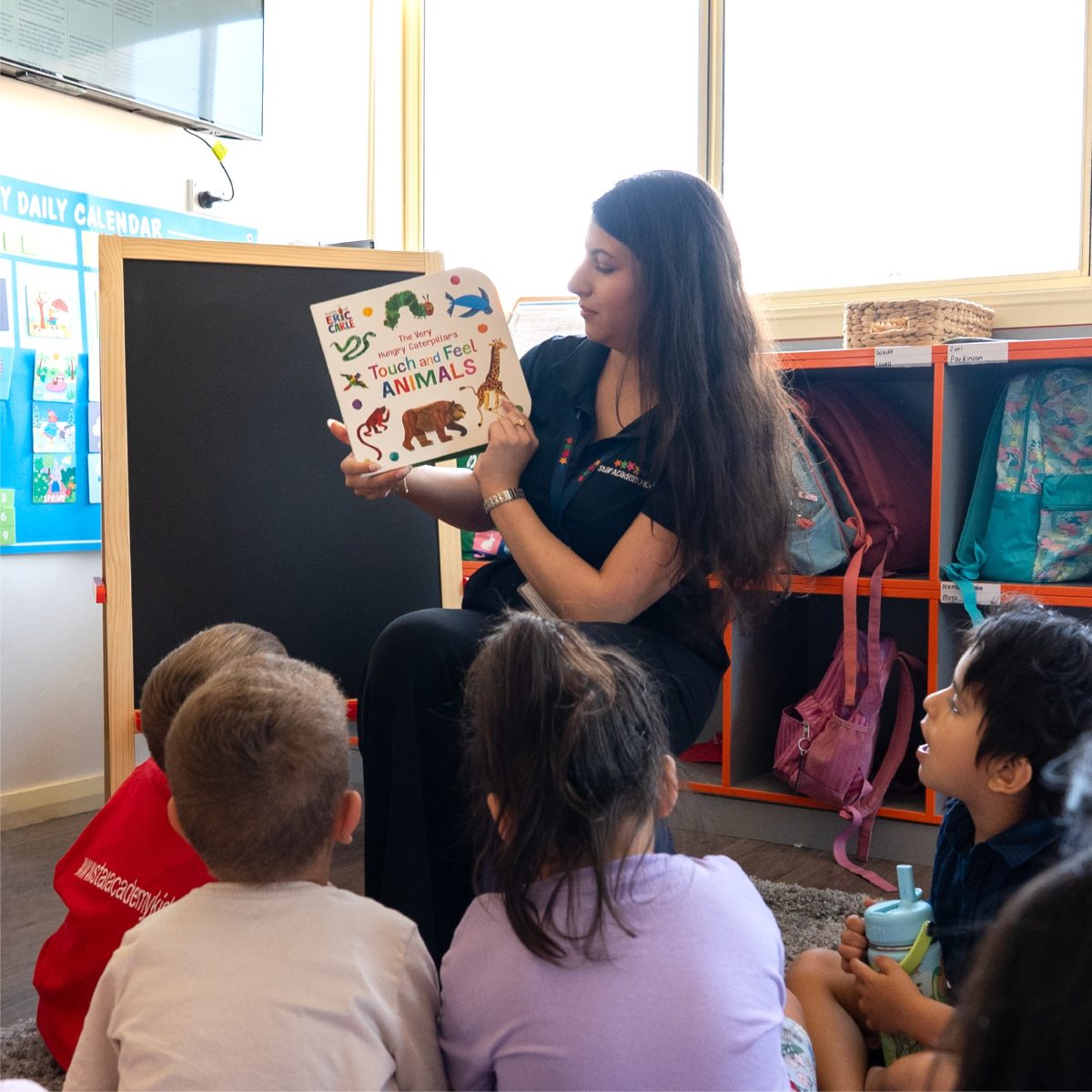
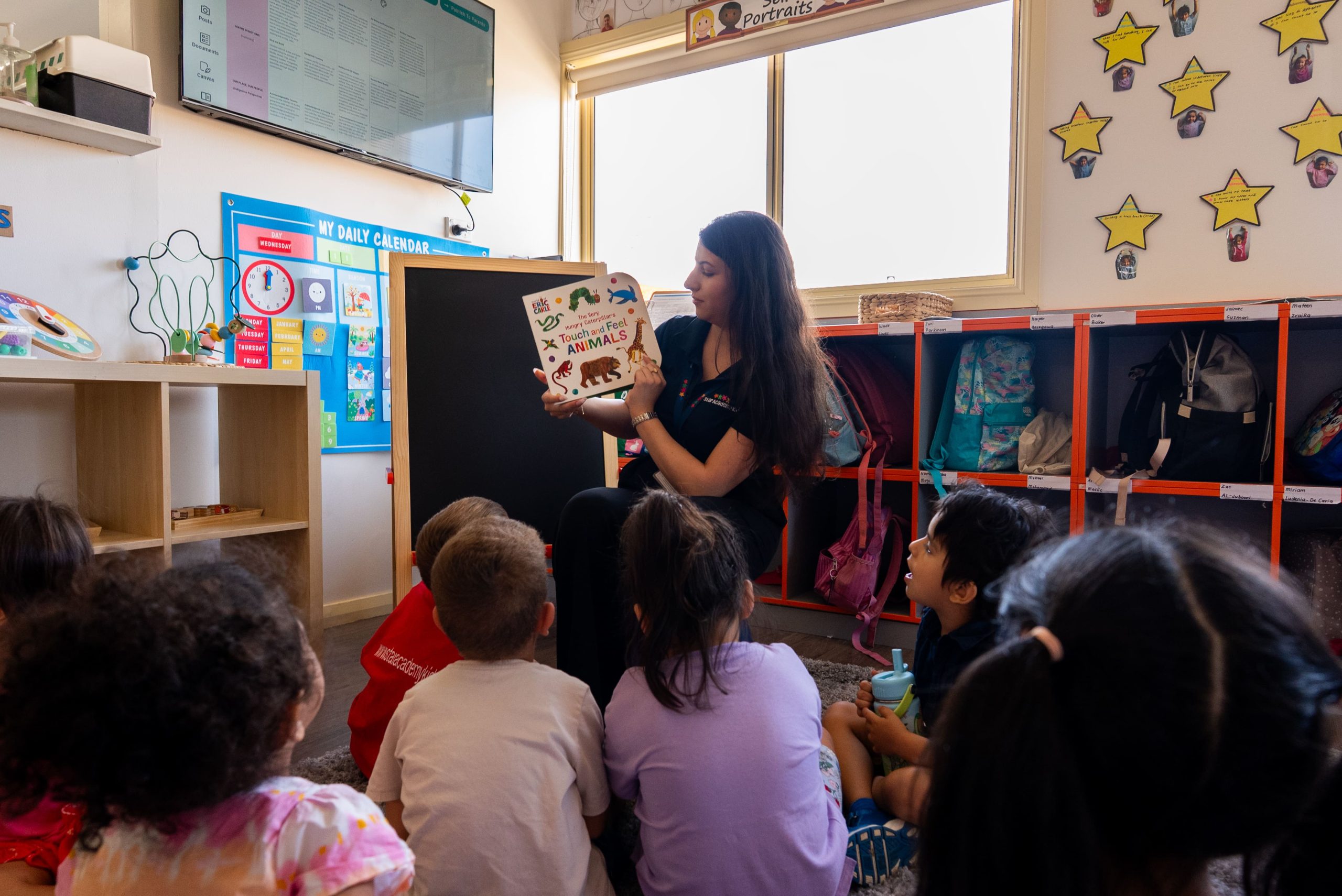
  • Language development: language skills are fundamental to a child’s success in school. Daycare centres provide an immersive environment where children engage in conversation and develop vocabulary. Through storytelling, reading, and group activities, children refine their language skills, making it easier for them to communicate with teachers and peers once they enter school.

What school transition strategies do educators use?

Transitions are successful when youngsters feel included, secure and confident, and for this reason, educators consider the individual needs of children, and partner with families and schools to help ensure a smooth transition to big school.

Instead of just focusing on the first day of class, educators understand that the school transition process happens over time, not overnight. In fact, it starts in preschool and extends to the point when each child and their family feel like they belong at the school.

This means that as the preschool year draws to a close, educators are using many ‘transition to school experiences’ to support transitions and help children gain confidence and understanding in preparation for their next step.

In practice:

  • Talk to children before they begin school and encourage them to ask questions or raise concerns
  • Communicate with local schools and arrange visits to meet teachers, see classrooms, meet other children and generally explore the educational environment
  • Sometimes invite school students to visit the service and share their experiences with preschoolers
  • Include school-themed props in the dramatic play areas, e.g. uniforms, schoolbags and chalkboards
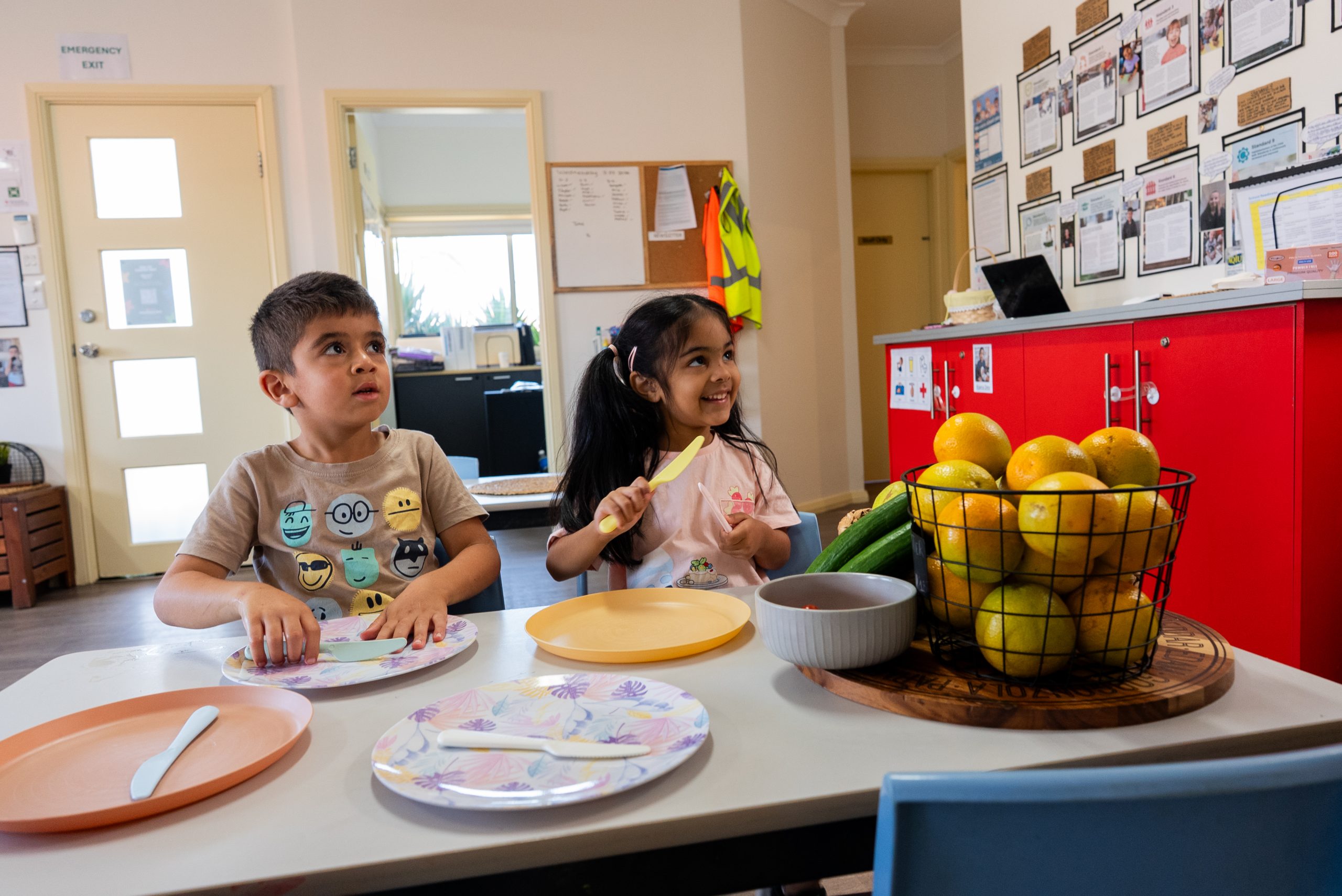
  • Help children develop their self-help and social skills through routine activities, e.g. children might practice clicking open lunch boxes and twisting off drink bottle lids at meal times

What role does the educator play during a transition in childcare?

As well as supporting children, educators or early childhood school teachers also partner with families and offer knowledge and support to parents. 

They’re on hand to:

  • Offer advice about a child’s school readiness (if there’s flexibility around when they can start)
  • Suggest ways for parents to support their child’s smooth transition to school
  • Explain the service’s transition to school strategies as they can provide guidance and tailored support
  • Talk through any concerns, recognising that parents are also embarking on a new journey and transitioning to ‘school mum’ or ‘school dad’

At Star Academy Kids, our dedicated staff implements age-appropriate learning experiences that engage children intellectually and creatively. From music and art to science experiments and storytelling, these activities stimulate curiosity and a love for learning. Early exposure to such experiences can create a lifelong passion for knowledge. 

Daycare centres often have classroom-like settings that introduce children to the environment they will encounter in school. Children learn to follow instructions, participate in group activities, and work on individual tasks. Familiarising them with the classroom setting eases any anxiety they may have when transitioning to school.

Daycare centres offer numerous benefits for children as they prepare for school. From academic readiness and social-emotional development to motor skills and language development, daycare centres provide a nurturing environment that helps growth and learning.

By enrolling your child in a high-quality daycare program, you are setting them up for success as they embark on their educational journey.  Our team is here to help you with all of your enquiries, contact us now.

Categories
Blog

How Day Care Centre in Belfield Support Early Childhood Development

Day care centres who support early childhood development are considered to be more than just a childcare service. They are considered a home away from home, a place where every child is truly cherished.

Centres believe that every child is a blessing, and with each new day comes opportunities for wonder, discovery, and joy. With their innate curiosity and endless imagination, children lead the way, and the entire staff is honoured to walk alongside them, nurturing their growth and celebrating their individuality.

Early childhood is one of the most important stages of human development. During the first five years of life, children build the foundations for learning, behaviour, health, and emotional wellbeing. Day care centres in Belfield play an important role in supporting this critical stage by providing safe, stimulating, and nurturing environments where children can learn through play, social interaction, and structured activities.

High-quality early childhood education and care programs are widely recognised for their positive impact on children’s development, helping them build cognitive, social, and emotional skills that prepare them for school and later life.

Building strong cognitive and language skills

Day care centres in Belfield support early childhood development by introducing children to structured learning experiences that encourage curiosity and exploration. Activities such as storytelling, puzzles, music, and creative play help develop language, literacy, and problem-solving abilities.

In Australia, early childhood programs are guided by the Early Years Learning Framework (EYLF), which focuses on supporting children’s learning, development, and wellbeing from birth to five years of age. Attention, long-term memory, working memory, logic and reasoning, auditory processing, visual processing, and higher standardised test scores, are among a few skills that your child would learn.

  • Attention: sustained attention, selective attention, and divided attention are the three types of focus. 
  • Long-term memory: helps us to store information for extended periods. It makes it easy to recall events from the past. As a cognitive skill, this memory exists in two forms; implicit and explicit memory.
  • Working memory: is like having sticky notes in your brain to help you remember important tasks as you move along the workday. It’s a skill that helps us hold on to information while working without losing track of what we’re doing. 
  • Logic and reasoning: are inseparable skills that help us reason out problems, form ideas, and develop solutions. Good reasoning is logical, and it helps us analyse problems and create order out of a mess.
  • Auditory processing: there is no doubt that active listening makes us better communicators, and auditory processing is one of its key enablers. It helps us to analyse sounds and process the information we hear. 
  • Visual processing Higher: helps us make sense of the world around us. It benefits all other cognitive skills, making it easier to pay attention, remember objects, interpret patterns, and relate sounds to pictures. 
  • Higher standardised test scores: performing higher on verbal standardised tests. The ability to learn another language also helps with these increased scores and can translate into math and logic as well..

Through play-based learning, educators encourage children to:

  • Develop vocabulary and communication skills
  • Recognise letters, numbers, and shapes
  • Build early literacy and numeracy foundations
  • Explore creativity through art, music, and imagination

Research shows that children who participate in early childhood education programs often demonstrate stronger developmental outcomes when they start school compared to those who do not attend such programs.

Encouraging social and emotional development

Day care centres provide children with opportunities to interact with peers and educators in a supportive environment. These daily interactions help children learn how to communicate, cooperate, and manage emotions.

Through group play and collaborative activities, children develop essential social skills such as:

  • Sharing and turn-taking
  • Empathy and understanding others
  • Conflict resolution
  • Confidence and independence

Quality early childhood education has been linked to improved social competence, better concentration, and stronger independence during the early years of schooling.

Social and emotional development means how children start to understand who they are, what they are feeling and what to expect when interacting with other people. It is the development of being able to:

  • Form and sustain positive relationships
  • Experience, manage and express emotions
  • Explore and engage with the world around them

Positive social and emotional development is important. This development influences a child’s self-confidence, empathy, the ability to develop meaningful and lasting friendships and partnerships, and a sense of importance and value to those around him/her. Children’s social and emotional development also influences all other areas of development.

Parents and caregivers play the biggest role in social and emotional development because they offer the most consistent relationships for their child. To nurture your child’s social and emotional development, it is important that you actively engage in quality interactions like these on a daily basis, depending on the age of your child.

Supporting physical development and wellbeing

physical development

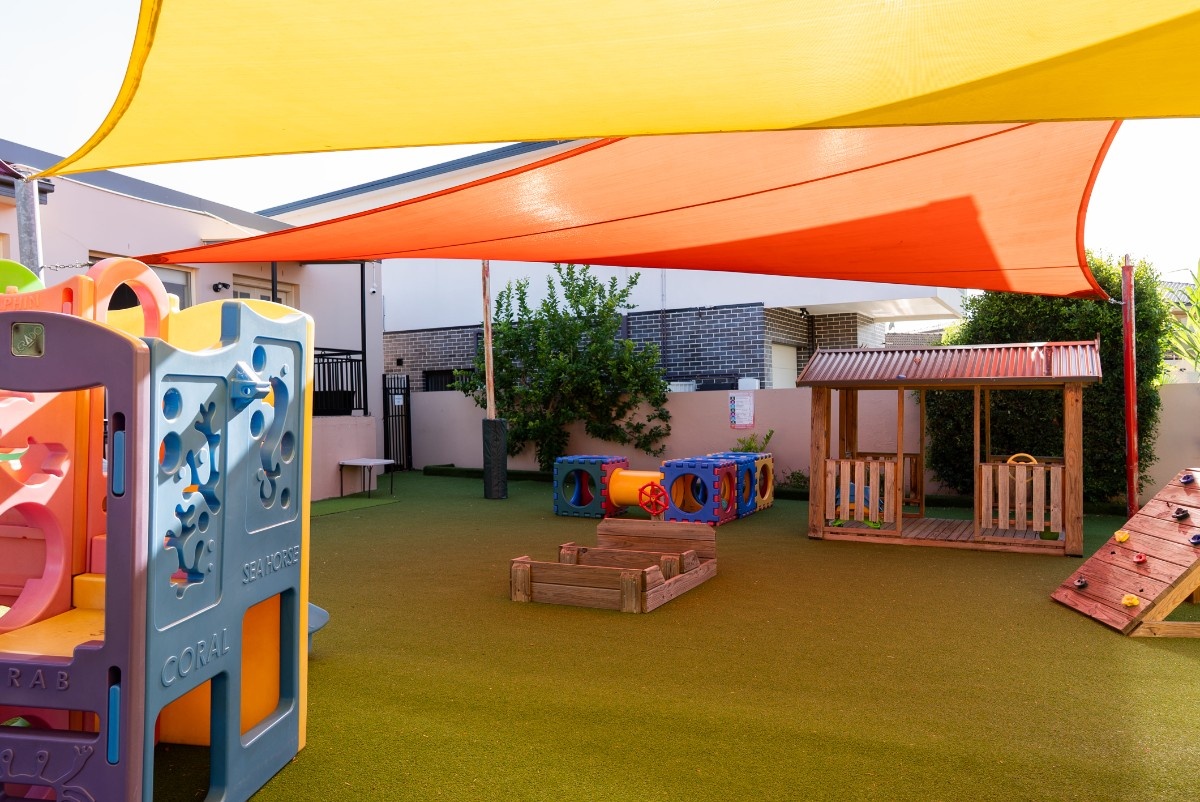
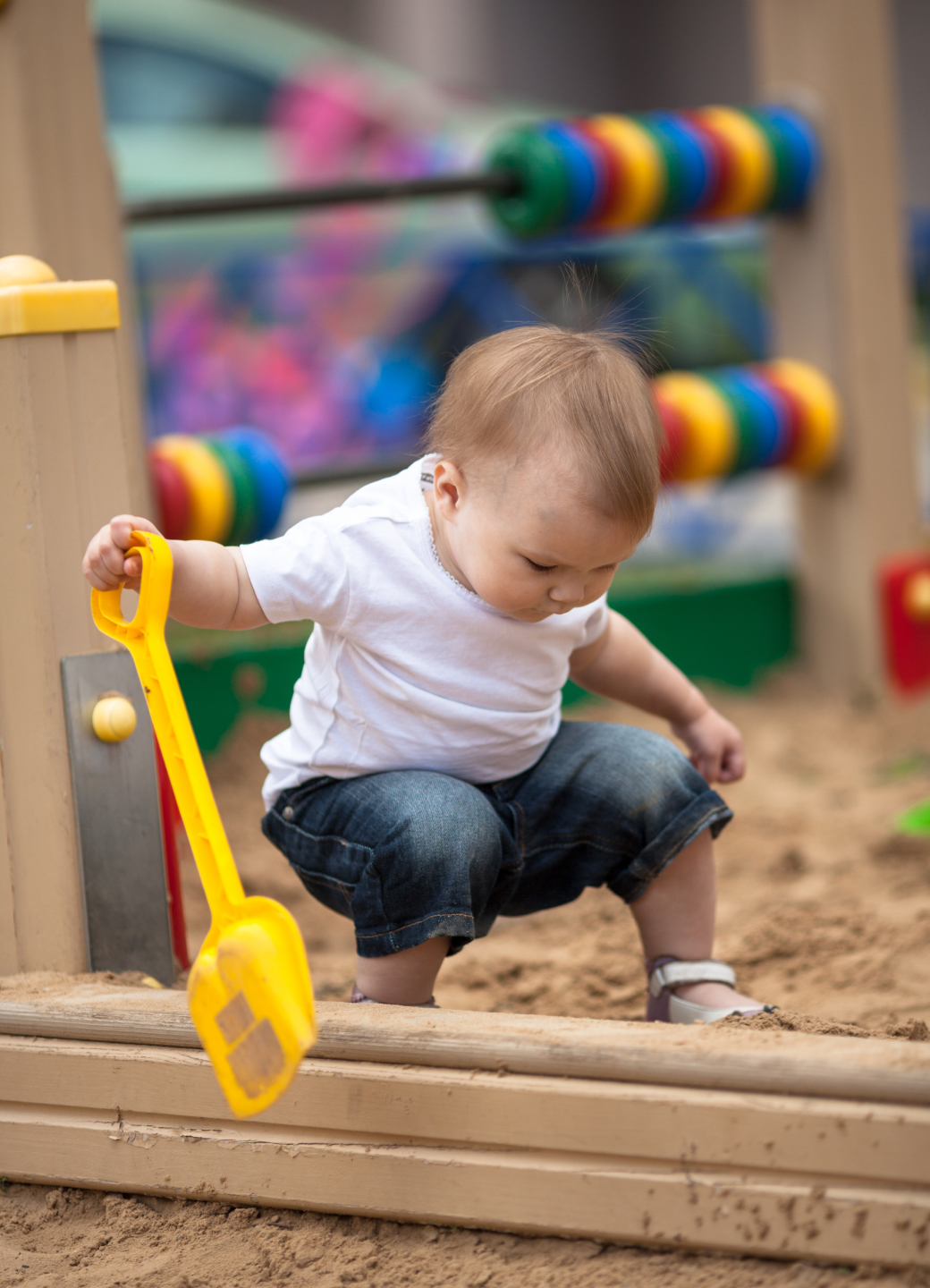
Physical activity is another key component of early childhood development. Many day care centres in Belfield provide outdoor play areas, structured movement activities, and opportunities for active exploration.

You, as an infant or toddler caregiver, should consider the characteristics of a safe environment that help support the physical development of the children in your care. Examples of environmental features that support physical health are:

  • Clean and safe: provide young infants opportunities to play on their tummies and backs. Make sure the area is clean, and put anything away that would be considered unsafe for an infant to put in their mouth. 
  • Open space: try to limit the use of swings, bouncers, and other furniture that constrains mobile infants. When caring for several children at once, offer toys on the floor for tummy time, space for mobile infants to crawl, or hanging toys for reaching.
  • Firm padding: firm, washable pads, and cubes can be arranged to create interesting and challenging surfaces for crawling, creeping, walking and climbing.
  • Rounded edges: as mobile infants begin cruising, they need long, low, stable surfaces to hold on to. The edges of shelves, window sills, counters, and equipment at child height should have rounded corners so children can move freely without bumping sharp corners.
  • Platforms and sturdy structures: have secure platforms and steps encourage toddlers to climb. Stairs and platforms can provide access to a window or a mirror.
  • Safe objects to hold and stack: be aware of the infant’s or toddler’s developing abilities to handle objects and offer appropriate materials that match these abilities. Mobile infants new to walking often enjoy carrying objects in their hands. Older toddlers enjoy stacking cups, fitting puzzle pieces into holes, and fitting rings on sticks.
  • Tables and chairs: use appropriately sized tables and chairs so that all children can sit, play and eat safely and comfortably.
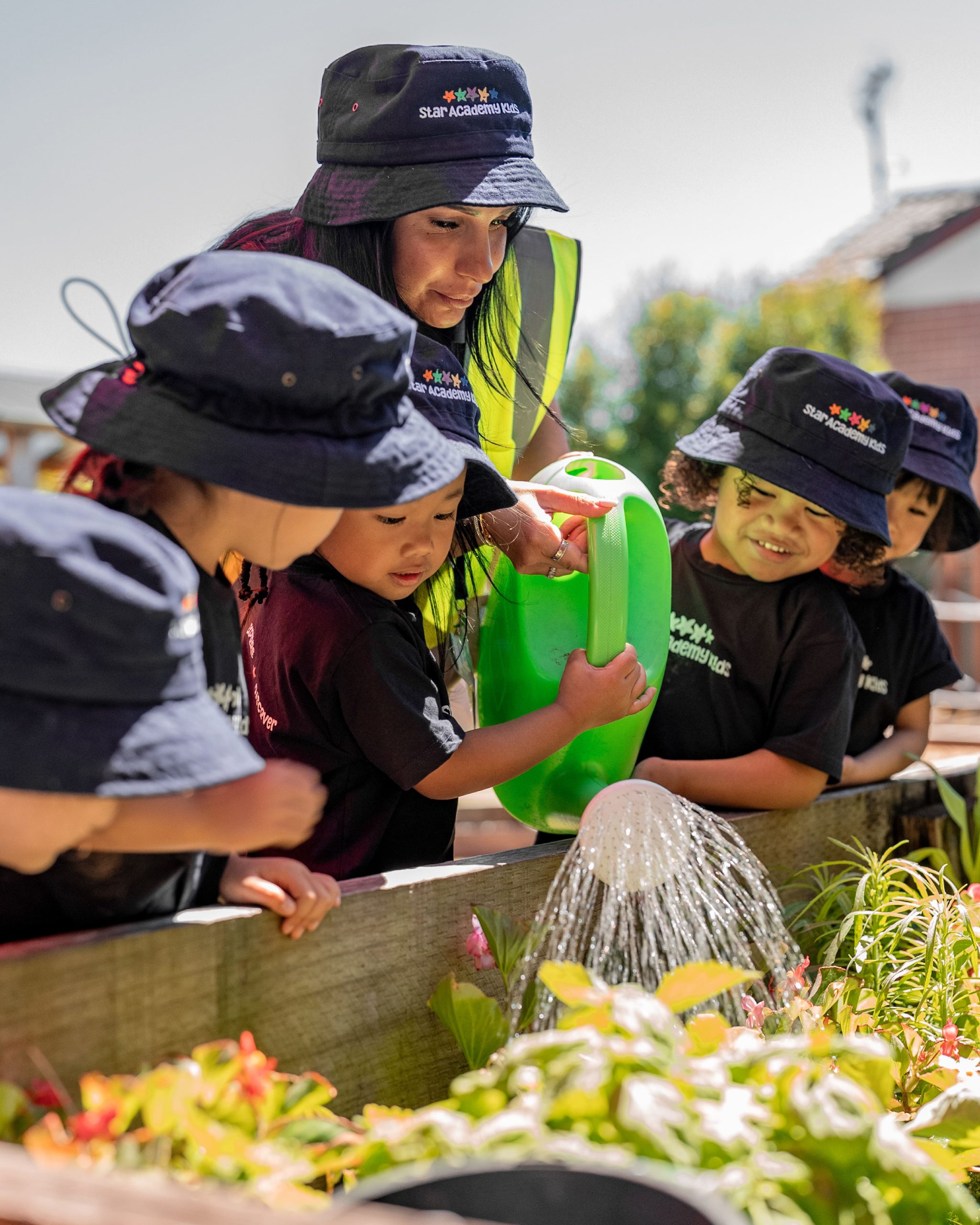
  • Outdoor play: offer the opportunity to move and engage with the natural world. Safe outdoor play areas challenge a toddler’s balance and stability while walking and climbing on uneven terrain and play structures.

These experiences help children develop:

  • Gross motor skills such as running, climbing, and jumping
  • Fine motor skills through drawing, building, and manipulating objects
  • Healthy habits through movement and outdoor play

Preparing children for a smooth transition to school

One of the main goals of day care centres is to prepare children for the transition to primary school. Early learning environments introduce routines, structured activities, and learning experiences that build the skills children need to thrive in a classroom setting.

  • Talk about the change in a positive way
  • Visit the school together
  • Encourage independence
  • Establish a school routine early
  • Support social and emotional readiness
  • Build excitement for learning

Children who attend quality early learning programs often develop:

  • stronger communication and language abilities
  • better attention and learning behaviours
  • greater independence and confidence
  • early literacy and numeracy skills

Partnering with families and the community

Day care centres in Belfield also support families by working closely with parents and caregivers. Educators often provide regular updates on children’s progress, share learning experiences, and encourage family involvement in the learning process.

This partnership helps create a consistent and supportive environment where children feel secure, valued, and motivated to learn.

Districts develop strong family partnerships when they:

  • Prioritise positive staff-family relationships and develop strategies for two-way communication with families at the district and school levels.
  • Offer meaningful opportunities for families to participate and collaborate in goal-setting, decision-making, and reflecting on data for continuous improvement.
  • Regularly collect feedback about families’ experiences and changing needs, and use these data to improve family partnership strategies.

Day care centres in Belfield do much more than provide childcare. They create enriching environments that nurture curiosity, creativity, and confidence during the most formative years of life.

By supporting children’s cognitive, social, emotional, and physical development, early learning centres lay the foundation for lifelong learning and success. For many families, these centres become an essential part of a child’s early journey, helping them grow, explore, and prepare for the exciting transition into school and beyond. Our team at Star Academy Kids is here to help you through the journey, contact us now.

Categories
Uncategorized

What should I know when choosing a day care centre in Belfield for my child?

Choosing the best day care centre for your child is one of the most important decisions you can make for your kid. A day care centre should provide a nurturing and safe environment where kids can learn and grow through play-based learning, social interaction, and creative exploration.

With modern education centres, secure play areas, and educators, the priority is to support the well-being and development of every child, creating a space that feels like home. The day care’s Montessori-based curriculum merges a guided learning experience with exploration, encouraging children to develop confidence and independence, skills, and a love for learning.

Early childhood is important for cognitive, emotional, and social development, influenced by the environment. Choosing a high-quality, safe daycare requires considering several factors, including location, staff, educational programs, and safety measures, to determine the best fit for both the child and their family.

Understanding your child’s needs

Each child is unique. Some kids thrive in high-energy, sociable surroundings, while others prefer quieter spaces with smaller groups. It is important to consider your child’s personality, hobbies, and development before choosing a day care centre.

Parents should evaluate if their child would thrive in various activities such as social play, artistic pursuits, outdoor exploration, or structured learning. A quality daycare centre adapts its activities to meet each child’s developmental needs. Many centres also offer orientation visits or trial days, helping parents assess if the center’s environment and approach fit their child’s requirements.

Location and convenience

Start by shortlisting child care services close to home or work. Convenience matters when juggling work, traffic and daily routines.

Look at:

  • Location and operating hours
  • Ratings
  • Reviews (with balance and perspective)
  • Curriculum information
  • Staff qualifications
  • Inclusion of meals, nappies and learning materials

Qualifications and experience of educators

experience educators

When looking for a safe day care centre in Belfield, one of the most important aspects to consider is the quality of the educators. Educators play a role in influencing children’s early learning experiences and emotional well-being.

They should also possess qualities such as kindness, patience, and strong communication skills to build trusting relationships with children and families during transitions.

Child-to-educator ratio

In Australia, early childhood services must adhere to standards that establish required ratios depending on children’s age groups. Infants require monitoring. Older toddlers and preschool-aged kids could have higher rates.

A facility with proper success rates ensures that children are supported, monitored, and engaged throughout the day. Parents may want to know how all aspects are maintained throughout the day.

Learning programs and curriculum

The day care you choose for your child should be a state-of-the-art centre and have a qualified team of educators provide boutique and holistic early learning for Sydney children. Educators strive in every class to give your child their best possible start in their early learning journey.

A learning program should include diverse experiences like creative arts and crafts, storytelling and early literacy activities, music and movement, outdoor exploration, and problem solving with group activities. Parents may want to know how the centre prepares its learning programs, how children’s growth is tracked, and how families participate in their child’s development.

Safety, hygiene, and security measures

Parents in Belfield prioritise safety when choosing day care centres. Key safety measures include secure entry systems, supervised play areas, regular cleaning, well-maintained equipment, and emergency plans. Inquiries about staff training in first aid and child safety protocols are common, as a focus on safety allows children to explore and learn in a secure environment.

These measures can include:

  • Secure entrance systems that limit access to authorised individuals
  • Supervised indoor and outdoor play areas
  • Regular cleaning and sanitisation methods
  • Well-maintained equipment and play areas
  • Emergency plans

Daily routine and activities

Children benefit from consistent routines that provide structure and predictability, making them feel safe and aware of daily expectations. A typical daily routine in a Belfield day care center includes morning welcome and free play, group learning activities, outdoor playtime, meal and snack breaks, rest or calm time, and afternoon creative activities.

Balanced routines integrate focused learning with free play and rest periods, which promotes both physical and emotional well-being.

Parents should inquire about how routines are modified for different age groups, as well as how the centre assists children who may require additional flexibility or comfort throughout transitions.

Facilities and learning environment

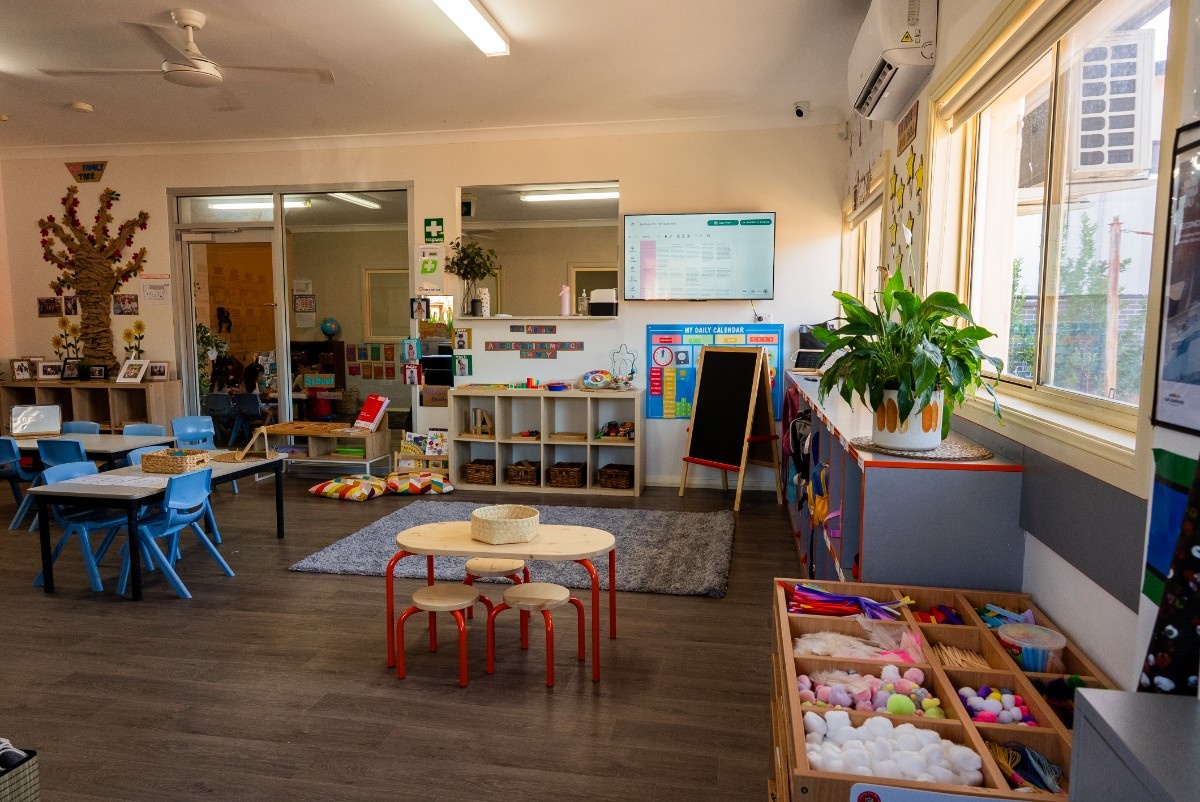
The physical environment of a day care institution has a considerable impact on children’s development. A well-designed learning environment promotes discovery, creativity, and social engagement.

Quality facilities can include:

  • Safe outdoor play locations
  • Age-appropriate toys and learning materials
  • Reading and peaceful areas
  • Creative activity zones
  • Clean and comfy rest areas

Outdoor play is especially important in early childhood development, since it helps children develop physical strength, coordination, and confidence. When parents visit a center, they should examine whether the environment is inviting, organised, and stimulating for young learners.

Communication with families

Strong communication between instructors and families is also an important component of a high-quality day care centre in Belfield. Parents should feel free to share their child’s needs, development, and daily experiences with educators. Many facilities offer regular updates via communication applications, newsletters, or daily reports.

Open communication keeps families involved in their children’s learning journey and allows educators to respond effectively to each child’s unique needs. A centre that promotes family partnerships frequently creates a more supportive and inclusive environment for children.

When choosing a childcare centre, effective and timely communication is a key factor to consider. Before you even visit, you can get a sense of this by looking at their website or social media. A reassuring centre will make it easy to stay informed, whether through an app or regular emails.

Making the right choice for your family

Choosing a day care center is a personal decision influenced by each family’s priorities, such as educational activities, convenience, safety, or ambiance. Visiting potential centres and observing daily routines offers valuable insights into whether a centre meets expectations. In Belfield, considering these criteria is essential to ensure a supportive environment that develops growth and happiness for the child.

When looking into day care enrolling choices in Belfield, taking the time to consider these criteria will help ensure that your child enters a supportive atmosphere that promotes growth and happiness.

Supporting your child’s early learning journey

A high-quality day care centre in Belfield provides more than just monitoring; it serves as a good base for lifelong learning. Children can acquire confidence and important skills that will help them in their future schooling in a supportive environment led by skilled instructors.

Parents should make a “smart” decision that enhances their child’s wellness and development taking into consideration their child’s personality, the day care centre’s learning programs, instructor skills, and safety regulations.

Finally, the best day care centre will feel like an added support of your family, a place where your child feels comfortable, encouraged, and eager to learn every day. Our team is here to help you with all of your enquiries, contact us now.

Categories
Blog

Why Choosing the Right Day Care Centre in Liverpool Matters

We understand sending your child to a day care centre after being at home is a big step. It is a major change for both yourself and your child. The key objective is to ensure a smooth transition from their home life to daycare.

Children need to be in an environment that is empowering, nurturing, comfortable and safe! For this reason, when choosing the right daycare centre for your little one, the decision must be in their best interest.

With thousands of options out there, how do you know which one is going to be the best? Every parent wants what is best for their child and choosing the right daycare centre is one of them!
So how do you know you are choosing the right daycare centre for your child?

What to look for

day care centre Liverpool

  1. Safety: thinking about your child’s safety should be at the top of your checklist. Excellent daycare providers make sure that they go above and beyond to ensure the safety of your child: food safety practices, childproof interiors, well-kept and sanitised play space, and hygienic surroundings. Before making any decision, you should ask for a guided tour to assure yourself of your child’s well-being.
  2. Reviews and recommendations: along with the many testimonials and online reviews that you go through, you should also talk to past or present parents who know of the services of the daycare. Ask the daycare for references and also ask your family and friends for any potential favourites in or around your locale. While sifting through reviews remember to look for any repeated complaints as they may point to a recurring issue.
  3. Interesting curriculum and teaching methods: whether you prefer a rigid school-like curriculum or a fluid schedule that includes fun activities. Any good daycare would meet all such needs and offer more. You also have to make sure that TV or any other video-related activity is age-appropriate for your child. By building a strong educational foundation from the start, your child can reap many benefits that assure future success, both outside and inside the classroom.
  4. Highly qualified caregivers: teachers of any great daycare facility should have all the basic training and certifications along with ample experience with children. Most teachers or caregivers should have college degrees and majors related to childhood development.

Beyond all this, you should feel comfortable while interacting with such caregivers. Do they express their opinions clearly? Are they communicative, calm, and caring? These are some questions you should be asking yourself while evaluating any such facility.

Why choosing the right day care centre in Liverpool matters

Liverpool day care centre

  1. Exceptional educational programs: make sure your little one is in an environment where they can thrive. You want to make sure the daycare you select has a strong centre curriculum and is going to be teaching your child important life-long lessons. The team should make sure to get to know your child and support them at each phase of their development through meaningful programs, facilities and resources.
  2. Unique nurturing environment: children should feel empowered in the environment they are in, and should be able to develop a trusting and respectful relationship with educators and peers. Each centre should provide a nurturing and stimulating space for children. Each room should be specifically designed to encourage curiosity, discovery and critical thinking.
  3. Convenience: the daycare centre you choose for your child should also be convenient for you to attend. The location should be close to home or work to ensure you can effectively organise your daily routine with convenience. For added support, you can choose a long daycare centre which will provide you with the flexibility to work around your busy schedule.
  4. Healthy lifestyle: childcare centres should also incorporate healthy eating and physical activities in their education programs. This helps children learn the importance of healthy eating and establishes a frequent exercise routine for them. Provide children with nutritional meals and snacks and make sure children engage in physical activity daily.
  5. Easy and open communication: high-quality early learning centres should also make sure they are communicating with parents and caretakers. Ensuring they are updated on their child’s learning and other milestones achieved throughout the day allows them to stay in the loop.

One of the most important factors when it comes to choosing a childcare centre is how close it is to your home. Consider the proximity to your home or work and to ensure it’s easily accessible when it comes to drop-offs and pick-ups. Choosing a childcare centre that’s nearby your home or workplace will save you and your child time in your morning routine.

You might want to consider whether the centre is easy to access for emergency services. This might be especially important to you if your child has specific medical conditions or allergies that may cause your child needing emergency care from first responders.

From the materials used to the learning resources, the childcare environments should be designed to enhance a child’s learning experience. Extending learning to outdoor areas where children can learn, explore and discover their senses is important.

Overall, the best preschool and daycare in Liverpool showcase a magical combination of every factor mentioned. It should also check almost all the boxes on your checklist. Do remember to visit the daycare and see if it gives off peaceful and positive feelings.

You’ll want to check that the centre you choose has a team of qualified staff that can help your child get the best early childhood education possible. You may also want to inquire about the curriculum at the childcare centre to see if it aligns with your child’s needs.

Outdoor play is essential for your child’s proper growth and development so checking if your chosen childcare centre has stimulating outdoor spaces is critical. Ask about outdoor play time and outdoor learning opportunities to ensure that your child is getting the most out of their childcare centre.

For growing toddlers, teachers and friends become their family away from home. So, make sure you feel happy and secure while leaving your child in any such facility every day.
When it comes to selecting a childcare that is perfect for your child and your family, our team at Star Academy Kids is the perfect choice. Our team of qualified early childhood educators ensure your child develops a lifelong love of learning.

The importance of selecting good childcare will give your child long-term benefits. If you are in search of high quality, safe, clean and nurturing childcare with state-of-the-art facilities and quality educational programs choose.

We are here for your child. Contact us to know more!

Categories
Blog

Smart Ways Parents Can Build Emotional Resilience in Young Children

Emotional resilience is a crucial skill for children to develop early on, as it helps them cope with stress and challenges throughout their lives. For preschoolers, building this resilience can set a solid foundation for emotional well-being. Here are some techniques and activities that can help young children develop emotional resilience and cope with stress and challenges. 

Techniques for Building Emotional Resilience 

Encourage Open Communication: Create a safe and supportive environment where your child feels comfortable expressing their feelings. Encourage them to talk about their emotions and validate their experiences. 

Model Healthy Coping Skills: Children learn by observing adults. Demonstrate healthy coping strategies, such as deep breathing, positive self-talk and problem-solving, to show your child how to manage stress effectively. 

Promote a Growth Mindset: Help your child understand that mistakes and setbacks are part of learning. Encourage them to view challenges as opportunities to grow and learn, rather than as failures. 

Teach Emotional Regulation: Introduce techniques like deep breathing, counting to ten, or using a calm-down corner to help your child manage their emotions. Practice these strategies together so they become familiar and comfortable for your child. 

Build Strong Relationships: Foster strong, supportive relationships with family members, friends and caregivers. A strong support network can provide a sense of security and help your child navigate challenges. 

Activities to Foster Emotional Resilience 

Play-Based Learning: Engage in play-based activities that encourage problem-solving, creativity and social interaction. Through play, children can explore different scenarios and learn to manage their emotions. 

Storytelling and Role-Playing: Use storytelling and role-playing to help your child understand and navigate different emotions. Reading books about emotions or acting out scenarios can provide valuable lessons in empathy and coping. 

Mindfulness Practices: Introduce simple mindfulness activities, such as guided imagery, body scans, or mindful breathing. These practices can help children become more aware of their emotions and develop a sense of calm. 

Creative Expression: Encourage your child to express their feelings through art, music, or movement. Creative activities provide a safe outlet for emotions and can help children process their experiences. 

Outdoor Play: Spending time in nature and engaging in physical activities can reduce stress and promote emotional well-being. Encourage your child to play outside, explore nature and engage in physical play. 

The Role of Early Learning Centres 

Early learning centres play a vital role in supporting the emotional resilience of preschoolers. These centres provide a structured environment where children can develop social skills, build relationships and learn coping strategies. Educators at early learning centres can: 

Create a Supportive Environment: Foster a nurturing and inclusive atmosphere where children feel safe and valued. 

Teach Emotional Skills: Incorporate lessons on emotional regulation, empathy and problem-solving into the curriculum. 

Support Individual Needs: Recognise and address the unique emotional needs of each child, providing tailored support and guidance. 

By working together, parents and early learning centres can help preschoolers build emotional resilience, setting them up for success in managing stress and challenges throughout their lives. Through consistent support and positive reinforcement, young children can develop the skills they need to thrive emotionally. 

Categories
Blog

The Psychology of the First Friend: How Children’s Initial Social Connections Shape Their Future 

The first friend a child makes often holds a significant place in their heart and mind. This initial relationship is not just about companionship; it is fundamental in shaping the child’s ability to communicate, collaborate and form relationships throughout their life. The psychology behind this early bond offers fascinating insights into childhood development and social behaviours. 

Early Social Interactions 

The first friend a child encounters is typically through their immediate environment, such as family gatherings, playgroups, or early educational settings. These interactions are crucial as they provide the first platform for learning social skills. Children begin to understand concepts such as sharing, empathy and cooperation, which are foundational for all future relationships. 

The Impact on Communication 

Communication skills are significantly influenced by a child’s first friend. Through their initial social interactions, children learn to express their thoughts, feelings and needs. Engaging in conversations, even simple ones, can enhance their vocabulary, improve their listening skills and help them grasp the nuances of verbal and non-verbal communication. The ability to effectively communicate is essential in forming and maintaining healthy relationships. 

Collaboration and Teamwork 

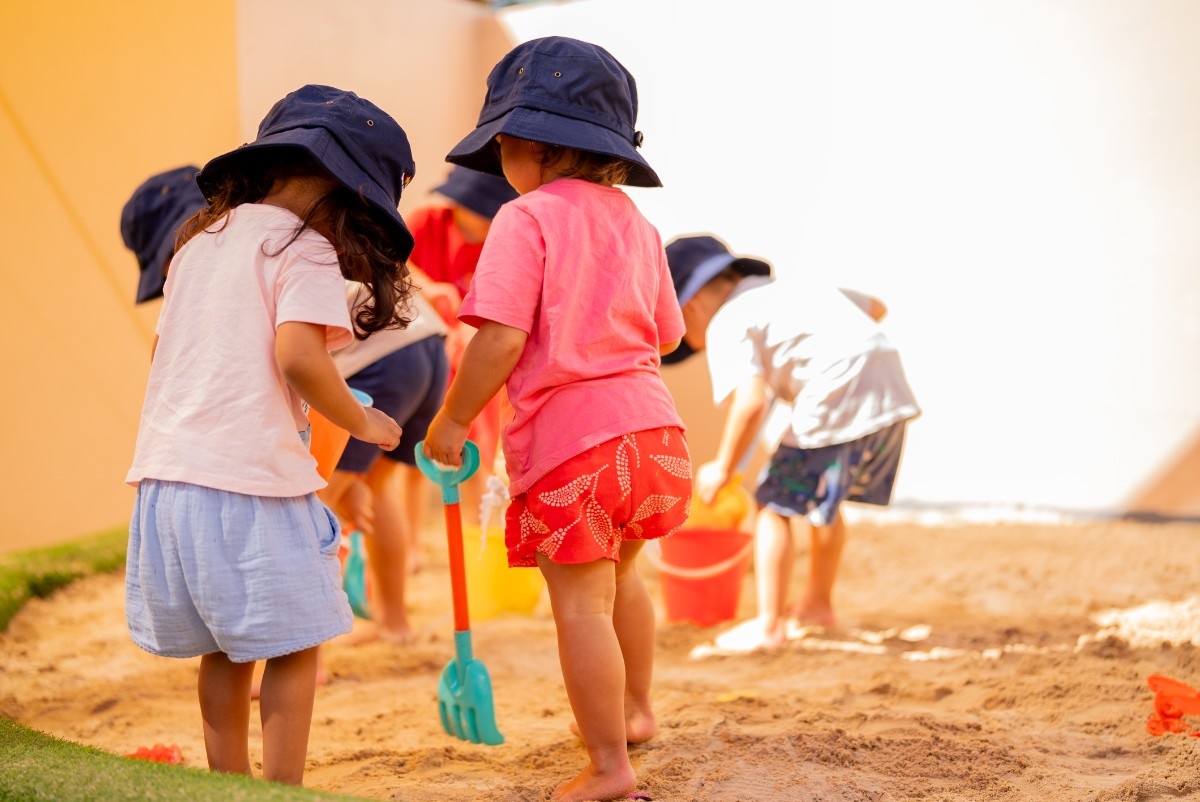
The psychology of the first friend also extends to collaboration and teamwork. Playing together, whether it’s building a sandcastle or engaging in imaginative play, teaches children the importance of working together towards a common goal. These early experiences of teamwork lay the groundwork for future collaborative efforts in academic settings, sports and eventually professional environments. 

Formation of Relationships 

The first friend relationship serves as a prototype for future friendships. Children learn to navigate the complexities of social interactions, such as resolving conflicts, understanding different perspectives and building trust. These early experiences are instrumental in shaping their social competence and confidence, which are critical in establishing and maintaining relationships throughout life. 

Long-Term Psychological Benefits 

The long-term psychological benefits of having a first friend are profound. Studies have shown that children who develop strong early friendships tend to have higher self-esteem, better emotional regulation and greater social skills. These attributes contribute to their overall well-being and success in various aspects of life, including personal and professional domains. 

Conclusion 

The psychology of the first friend is an essential aspect of childhood development that has lasting implications. These early social connections help children develop crucial skills in communication, collaboration and relationship formation. Understanding the importance of these initial friendships can guide parents, educators and caregivers in supporting children’s social development, ensuring they build a strong foundation for their future interactions. 

Categories
Blog

What are the Early Signs of Leadership in Toddlers? 

For parents, every milestone their toddler reaches brings with it new joys and revelations. Among the many traits parents observe, leadership qualities are some of the most intriguing. While it’s impossible to predict with certainty who will become a great leader, toddlers often exhibit early signs that hint at their potential. Recognising these traits can help parents nurture and encourage their children’s natural abilities. 

  1. Strong Communication Skills
    Even before they master language, some toddlers show a remarkable ability to communicate. They may use gestures, expressions and words to articulate their needs and ideas effectively. A toddler who engages in “conversations,” whether through babbling or forming simple sentences, demonstrates an early knack for connecting with others—a key leadership trait.
  2. Confidence and Initiative
    Confidence can be seen in toddlers who are unafraid to explore new environments or try challenging tasks. Leaders are often self-assured and this begins with early signs of independence. A toddler who takes the initiative to solve problems, such as attempting to stack blocks in a unique way or figuring out how to open a puzzle box, may be displaying a natural sense of responsibility and determination.
  3. Empathy and Caring Nature
    Leadership isn’t just about taking charge—it’s also about understanding and caring for others. Toddlers who comfort a crying playmate, share toys generously or notice when someone is upset exhibit early signs of empathy. This emotional intelligence lays the foundation for building strong relationships and resolving conflicts in the future.
  4. Problem-Solving Skills
    Problem-solving is a hallmark of effective leadership and some toddlers show this ability in surprising ways. Whether it’s figuring out how to reach a toy placed out of their grasp or finding creative solutions during playtime, these behaviours reflect a proactive and resourceful mindset.
  5. Ability to Inspire and Influence
    In a group setting, certain toddlers naturally take the lead. They might suggest games, direct their peers or display enthusiasm that inspires others to join in. This ability to motivate and influence those around them is a key indicator of leadership potential.
  6. Persistence and Resilience
    Leaders often demonstrate resilience in the face of challenges. Toddlers who persistently try to achieve their goals, even when frustrated, exhibit determination. Whether they’re attempting to build a tall tower or learning a new skill, this unwavering focus is a promising sign.

The Role of Early Learning Centres

Early learning centres play a vital role in nurturing leadership traits. These environments encourage exploration, collaboration and creativity, providing toddlers with opportunities to refine their skills in problem-solving, teamwork and communication. Through guided activities and social interactions, early learning centres help children gain confidence and build relationships—essential elements of leadership. Skilled educators also recognise and nurture each child’s unique qualities, ensuring their potential as future leaders is supported from an early age. 

Recognising and fostering leadership in toddlers is just the beginning. Parents, alongside early learning centres, can create an enriching environment that sets the foundation for lifelong growth. Every child is unique and leadership can take many forms. With the right guidance and encouragement, your child can develop into a confident and capable individual, ready to take on the world. 

Categories
Blog

Structured vs. Unstructured Play: Finding the Right Balance for Optimal Development 

Play is an essential part of childhood, contributing significantly to a child’s overall development. However, not all play is created equal and finding the right balance between structured and unstructured play is crucial for optimal growth. Understanding the differences between these two types of play and their respective benefits can help parents, caregivers and educators provide a well-rounded play experience for children. 

Structured Play: Structured play, also known as organised or guided play, involves activities that have specific goals, rules and instructions. These activities are often led by an adult or a coach and include things like organised sports, dance classes, music lessons and educational games. Structured play provides children with a clear framework and expectations, which can offer several developmental benefits: 

  • Skill Development: Structured play helps children develop specific skills, such as teamwork, discipline and perseverance. It allows them to learn and practice new skills in a controlled environment. 
  • Cognitive Growth: Activities like puzzles, board games and educational apps promote critical thinking, problem-solving and memory. Structured play can enhance cognitive abilities by challenging children to think and come up with strategies. 
  • Social Interaction: Organised group activities encourage social interaction and cooperation. Children learn to communicate, share, take turns and work as part of a team, which are essential social skills. 
  • Routine and Discipline: Structured play introduces children to the concepts of routine, rules and discipline. It teaches them to follow instructions, respect authority and understand the importance of commitment and responsibility. 

Unstructured Play: Unstructured play, also known as free play, is more spontaneous and self-directed. It allows children to explore their interests and creativity without specific goals or adult intervention. Examples of unstructured play include imaginative games, outdoor exploration and playing with toys. Unstructured play offers a different set of benefits that are equally important for a child’s development: 

  • Creativity and Imagination: Unstructured play encourages children to use their imagination and creativity. They can invent their own games, create stories and explore new ideas without limitations. 
  • Problem-Solving and Independence: Free play allows children to make their own decisions, solve problems and learn from their experiences. This fosters independence and self-confidence. 
  • Emotional Expression: Unstructured play provides a safe outlet for children to express their emotions and explore their feelings. It can be therapeutic and help children develop emotional awareness and regulation. 
  • Physical Activity: Outdoor free play, such as running, climbing and playing with friends, promotes physical fitness and overall health. It allows children to expend energy and develop their motor skills in a natural way. 

Finding the Right Balance: Both structured and unstructured play have unique benefits and finding the right balance between the two is essential for a child’s holistic development. Here are some tips to achieve this balance: 

  • Observe and Adapt: Pay attention to your child’s interests and needs. Some children may thrive in structured activities, while others may prefer more free play. Adapt the balance based on their preferences and developmental stage. 
  • Incorporate Variety: Offer a mix of structured and unstructured activities throughout the day. This ensures that children have opportunities to develop a wide range of skills and experiences. 
  • Set Boundaries: While unstructured play should be free and spontaneous, setting some boundaries can ensure safety and prevent excessive screen time. Encourage outdoor play and limit the use of electronic devices. 
  • Encourage Exploration: Allow children to explore new activities and interests. Expose them to different structured activities, such as sports, arts and music, while also providing ample time for free play. 
  • Be Flexible: Understand that the balance between structured and unstructured play may change over time. Be flexible and adjust the play schedule as your child grows and their interests evolve. 

Both structured and unstructured play are vital for a child’s development. By finding the right balance between the two, parents, caregivers and educators can provide a rich and varied play experience that supports physical, cognitive, social and emotional growth. Embracing the benefits of both types of play can help children thrive and reach their full potential. 

Categories
Blog

How Children Develop Literacy Skills: From Scribbles to Storytelling 

Literacy is a fundamental skill that opens the door to a lifetime of learning and exploration. The journey to becoming literate begins long before a child steps into a classroom and involves a complex interplay of cognitive, social and environmental factors. Understanding how children develop literacy can help parents and educators create supportive environments that nurture this essential skill. 

The Early Beginnings 

Literacy development starts in infancy, as babies begin to recognise sounds, patterns and rhythms in speech. From cooing and babbling to their first words, these early vocalisations lay the groundwork for language acquisition. Reading aloud to infants, even before they can comprehend the words, exposes them to the sounds and structures of language, fostering early literacy skills. 

The Role of Play 

Play is a powerful vehicle for literacy development. Through play, children experiment with language, storytelling and symbolic representation. Activities such as pretend play, drawing and singing encourage children to use language creatively and meaningfully. For example, when children engage in role-playing games, they often narrate their actions and dialogue, practising vocabulary and sentence construction. 

Emergent Literacy 

As children grow, they enter the emergent literacy stage, where they begin to understand that written words carry meaning. This stage is characterised by activities such as recognising letters, scribbling and “reading” picture books. Children may memorise stories and “read” them aloud, demonstrating their understanding of narrative structure and sequencing. 

Parents and caregivers can support emergent literacy by providing a print-rich environment. Surrounding children with books, magazines and writing materials encourages exploration and engagement with written language. Interactive reading sessions, where children are encouraged to ask questions and discuss the story, further enhance their comprehension and critical thinking skills. 

Formal Literacy Instruction 

When children enter formal education, they receive systematic instruction in reading and writing. Phonics, the relationship between letters and sounds, is a key component of early literacy education. Learning to decode words enables children to read independently and with confidence. 

Writing skills develop in tandem with reading. Children progress from drawing and scribbling to forming letters and words. Encouraging children to write stories, lists and letters helps them practise their writing skills and understand the purpose of written communication. 

The Importance of a Supportive Environment 

A child’s literacy journey is greatly influenced by the environment in which they learn and grow. At home, parents and caregivers play a crucial role in fostering a love of reading and writing. Simple activities such as reading together, visiting the library and encouraging storytelling create a positive literacy experience. 

In early learning centres, educators can provide structured and stimulating literacy experiences. Classrooms equipped with diverse and engaging reading materials, along with activities that promote language and literacy, help children build a strong foundation. Collaborative projects, group reading sessions and literacy-focused play further reinforce these skills. 

Children develop literacy skills through a combination of early exposure, play, formal instruction and a supportive environment. By nurturing a love of language at home and in early learning centres, parents and educators can set the stage for lifelong learning and success. 

Categories
Blog

Building Emotional Resilience in Preschoolers: Strategies for Parents 

Emotional resilience is a crucial skill for children to develop early on, as it helps them cope with stress and challenges throughout their lives. For preschoolers, building this resilience can set a solid foundation for emotional well-being. Here are some techniques and activities that can help young children develop emotional resilience and cope with stress and challenges. 

Techniques for Building Emotional Resilience 

Encourage Open Communication: Create a safe and supportive environment where your child feels comfortable expressing their feelings. Encourage them to talk about their emotions and validate their experiences. 

Model Healthy Coping Skills: Children learn by observing adults. Demonstrate healthy coping strategies, such as deep breathing, positive self-talk and problem-solving, to show your child how to manage stress effectively. 

Promote a Growth Mindset: Help your child understand that mistakes and setbacks are part of learning. Encourage them to view challenges as opportunities to grow and learn, rather than as failures. 

Teach Emotional Regulation: Introduce techniques like deep breathing, counting to ten, or using a calm-down corner to help your child manage their emotions. Practice these strategies together so they become familiar and comfortable for your child. 

Build Strong Relationships: Foster strong, supportive relationships with family members, friends and caregivers. A strong support network can provide a sense of security and help your child navigate challenges. 

Activities to Foster Emotional Resilience 

Play-Based Learning: Engage in play-based activities that encourage problem-solving, creativity and social interaction. Through play, children can explore different scenarios and learn to manage their emotions. 

Storytelling and Role-Playing: Use storytelling and role-playing to help your child understand and navigate different emotions. Reading books about emotions or acting out scenarios can provide valuable lessons in empathy and coping. 

Mindfulness Practices: Introduce simple mindfulness activities, such as guided imagery, body scans, or mindful breathing. These practices can help children become more aware of their emotions and develop a sense of calm. 

Creative Expression: Encourage your child to express their feelings through art, music, or movement. Creative activities provide a safe outlet for emotions and can help children process their experiences. 

Outdoor Play: Spending time in nature and engaging in physical activities can reduce stress and promote emotional well-being. Encourage your child to play outside, explore nature and engage in physical play. 

The Role of Early Learning Centres 

Early learning centres play a vital role in supporting the emotional resilience of preschoolers. These centres provide a structured environment where children can develop social skills, build relationships and learn coping strategies. Educators at early learning centres can: 

Create a Supportive Environment: Foster a nurturing and inclusive atmosphere where children feel safe and valued. 

Teach Emotional Skills: Incorporate lessons on emotional regulation, empathy and problem-solving into the curriculum. 

Support Individual Needs: Recognise and address the unique emotional needs of each child, providing tailored support and guidance. 

By working together, parents and early learning centres can help preschoolers build emotional resilience, setting them up for success in managing stress and challenges throughout their lives. Through consistent support and positive reinforcement, young children can develop the skills they need to thrive emotionally.