
Categories
Blog

How Do You Teach a Preschooler to Focus? 

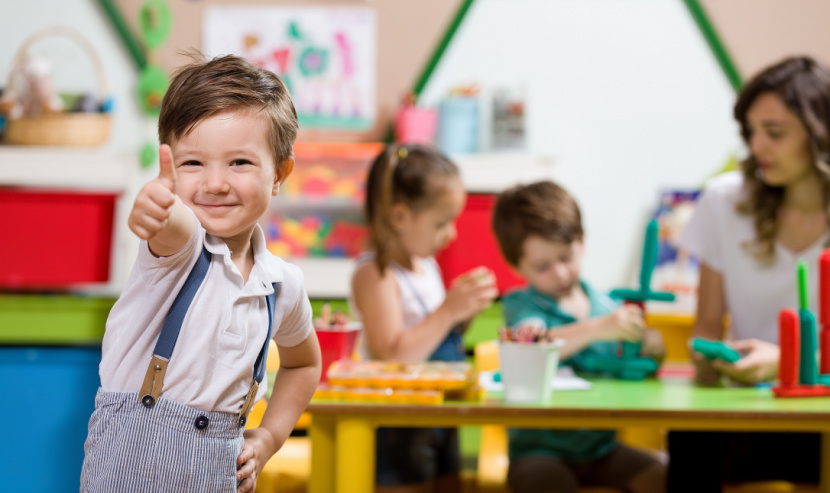
Teaching a preschooler to focus is a collaborative effort between parents and early learning centres, aiming to foster an environment conducive to concentration and effective learning. The formative years of a child’s life are crucial for developing the foundational skills needed for academic success and overall well-being. Focusing is not an inherent skill for young children, but with the right strategies and support, they can learn to concentrate and engage with their surroundings in a meaningful way. 

Strategies for parents 

Parents play a pivotal role in teaching their preschoolers how to focus. The home environment should be structured to encourage periods of sustained concentration, starting with short activities and gradually increasing the duration as the child’s attention span develops. Simple strategies include: 

Creating a distraction-free zone: Designate a quiet, organised space for learning activities, away from high-traffic areas and electronic devices. This space should be inviting and stocked with age-appropriate materials that spark curiosity and engagement. 

Establishing a routine: Regular and consistent schedules create a foundation of security and predictability for children, enabling them to anticipate and focus on specific tasks. Additionally, employing transition cues facilitates a smooth and effective shift of attention between various activities. 

Modelling focus: Children learn by example. When parents display their own focus during activities such as reading, cooking, or working, they set a powerful example for their children to emulate. 

Role of early learning centres 

Early learning centres complement parental efforts by providing structured environments designed to enhance concentration and learning. Educators in these settings employ various strategies to teach preschoolers how to focus: 

Interactive learning activities: Hands-on, engaging activities that are relevant to the child’s interests encourage active participation and sustained attention. These activities are often designed to be completed in stages, helping children learn to see tasks through to completion. 

Small group work: Working in small groups allows children to practice focusing while interacting with peers. This setting fosters social skills and cooperation, in addition to concentration. 

Incorporating movement: Recognising that young children are naturally energetic, early learning centers often integrate physical movement into their curriculum. This approach helps children expend energy and return to learning activities with renewed focus. 

For the holistic development of a child, consistent and open communication between early learning centres and parents is crucial. Through regular interactions, they can collaboratively create an encouraging environment that fosters the child’s ability to focus and learn. This strong foundation will not only benefit the child’s current learning journey but will also pave the way for lifelong growth and development. 

Categories
Blog

What are the Normal Activities for Toddlers?

Normal activities for toddlers play a crucial role in their early childhood development. These activities are not just about keeping them busy; they are pivotal in nurturing their physical, cognitive, emotional and social growth.

Examples of activities

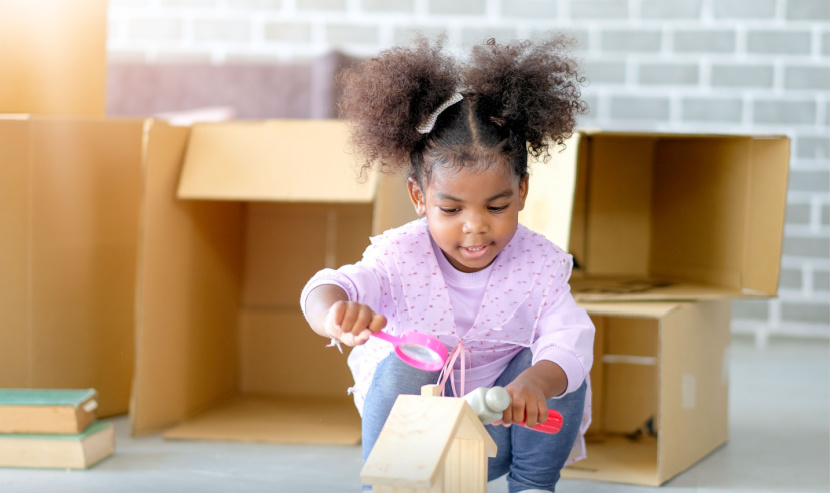
Physical Activities. These include running, jumping, throwing and climbing, which are essential for developing gross motor skills. Activities like drawing, playing with blocks and manipulating small objects enhance fine motor skills and hand-eye coordination.

Cognitive Development. Puzzles, simple board games and interactive story-telling sessions stimulate cognitive development in toddlers. These activities enhance problem-solving skills, memory and language development.

Creative Play. Engaging in arts and crafts, playing with playdough or even simple drawing activities foster creativity and imagination in toddlers. These activities also offer sensory experiences that are crucial for brain development.

Social and Emotional Development. Playing with other children, sharing toys and participating in group activities help toddlers develop social skills. Pretend play, where they imitate adults or create imaginary scenarios, is also vital for understanding emotions and empathy.

Routine Activities. Daily routines like dressing, eating and bathing are opportunities for learning and development. These activities teach toddlers about independence, following instructions and the concept of sequence.

Outdoor Play. Time spent outdoors, whether in a park or a backyard, is invaluable for a toddler’s development. It offers them a chance to explore, learn about nature and develop an appreciation for the environment.

Reading and Storytelling. Reading to toddlers and encouraging them to tell stories boost their language skills, listening abilities and imagination. This also strengthens the parent-child bond.

Music and Movement. Dancing, singing and playing simple musical instruments help with rhythm and movement coordination, and also enhance auditory skills.

Building blocks for their healthy growth

Normal activities for toddlers are crucial building blocks for their overall development. Each activity, whether structured or unstructured, contributes to the holistic growth of the child. Parents and caregivers should encourage a variety of activities to ensure a well-rounded development during these formative years.

Here at Star Academy Kids Early Learning Centre, we facilitate a variety of activities that support early childhood development. This variety is important in helping them develop physically, mentally, socially and emotionally, which can help them better prepare for the big school and beyond.

Categories
Blog

What You Should Know About Early Childhood Mental Health 

Early childhood, typically defined as the period from birth to six years, is a crucial time for mental health development. During these formative years, children undergo rapid growth in their brains and emotional capacities. Understanding early childhood mental health is vital for parents, caregivers and educators to foster healthy development and lay the groundwork for lifelong well-being. 

The significance of early emotional development 

Mental health in early childhood is not just about the absence of mental illness, but also the presence of positive emotional development. This includes the ability to form secure attachments, manage and express emotions and explore and interact with the environment. Healthy emotional development in these years is foundational for later social skills, self-esteem and learning abilities. 

The role of attachment and relationships 

Secure attachments to primary caregivers are central to healthy mental development. These early relationships form the blueprint for future emotional connections. Children who experience consistent, nurturing and responsive care are more likely to develop secure attachments. Conversely, inconsistent or negative early experiences can lead to attachment issues, affecting the child’s emotional and social development. 

Recognising early signs of mental health issues 

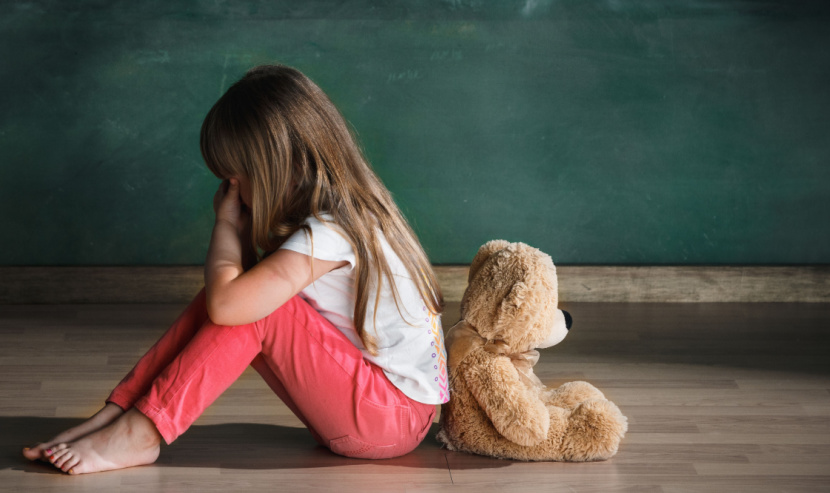
Early childhood mental health issues can manifest in various ways, often through behaviour. Warning signs might include excessive tantrums, persistent sadness, withdrawal from play, sleep disturbances or eating difficulties. Early detection and intervention are crucial, as untreated mental health issues can impact long-term development. 

The impact of environment and experiences 

Children’s environments and experiences significantly influence their mental health. Positive experiences, like play, nurturing relationships and safe environments, support healthy development. Conversely, negative experiences like trauma, neglect or exposure to violence can have adverse effects. Such experiences can lead to stress, which, if prolonged, can impact brain development and emotional well-being. 

The importance of early intervention 

Early intervention is key in addressing mental health concerns. This may involve counselling, family support services, or specialised early childhood mental health programs. Early support can mitigate long-term impacts and provide children with the tools to manage their emotions and experiences effectively. 

The role of parents and caregivers 

Parents and caregivers play a crucial role in supporting early childhood mental health. This involves providing a stable, loving environment, being responsive to children’s needs and fostering an atmosphere of safety and trust. In addition, educating themselves about developmental milestones and mental health can equip them to better support their child’s growth. 

Early childhood mental health is a critical aspect of overall development, influencing a child’s emotional well-being, social skills and future mental health. Understanding its importance, recognising early signs of problems and ensuring a supportive, nurturing environment are essential steps in fostering healthy mental development in young children. With the right support and interventions, whether at home or early learning centre, we can provide our children with the foundation for a healthy, fulfilling life. 

Categories
Blog

How Does Natural Light Affect Early Childhood Development 

Natural light, often referred to as daylight, has a profound impact on human health and well-being. It’s not just adults who benefit from exposure to natural light; early childhood development is also significantly influenced by the presence of daylight. In this article, we will explore the ways in which natural light affects early childhood development. 

Cognitive development 

Natural light plays a crucial role in cognitive development. Studies have shown that exposure to natural light can enhance a child’s ability to focus, learn and retain information. It promotes alertness and helps regulate circadian rhythms, which in turn positively impacts a child’s concentration and cognitive abilities. 

Emotional well-being 

Sunlight has a direct effect on mood and emotional well-being. The serotonin hormone, often called the “feel-good” hormone, increases with exposure to natural light. In children, this can lead to improved mood, reduced irritability and a more positive outlook on life. A child growing up in an environment with abundant natural light is likely to be happier and emotionally healthier. 

Physical health 

Natural light is a rich source of vitamin D, which is essential for bone health and overall physical well-being. Adequate vitamin D levels in childhood are crucial for proper growth and development. Exposure to natural light helps children absorb this vital nutrient, reducing the risk of health issues like rickets and weak bones. 

Sleep patterns 

Daylight exposure helps regulate the body’s internal clock, or circadian rhythm. For children, a well-regulated circadian rhythm translates to healthier sleep patterns. Natural light exposure during the day makes it easier for children to fall asleep at night and wake up in the morning, leading to more restful sleep and improved overall health. 

Visual development 

A well-lit environment is essential for a child’s visual development. Natural light provides a full spectrum of colours and brightness levels that artificial lighting cannot replicate. Exposure to natural light supports the development of visual acuity, depth perception and colour recognition, which are critical for a child’s learning and exploration. 

Behavioural benefits 

Children who have access to ample natural light tend to exhibit more positive behaviour. They are often calmer, less prone to restlessness and more cooperative. Natural light promotes a sense of calm and reduces hyperactivity in children, contributing to a more peaceful and productive learning environment. 

Connection to nature 

Exposure to natural light also fosters a connection to the natural world. It encourages children to explore the outdoors, appreciate the changing seasons and engage in physical activities. This connection to nature has numerous developmental benefits, including improved sensory perception and environmental awareness. 

Importance of natural light and the right learning environment 

Natural light has a profound impact on early childhood development. It influences cognitive development, emotional well-being, physical health, sleep patterns, visual development, behaviour and a connection to nature. Parents and educators should prioritise providing children with environments that incorporate ample natural light to ensure optimal growth and development. Whether at home or an early learning centre, creating spaces that allow children to bask in the beauty and benefits of natural light can set them on a path towards a healthier and more fulfilling life. 

Categories
Blog

When is a Child Ready for Toilet Training? 


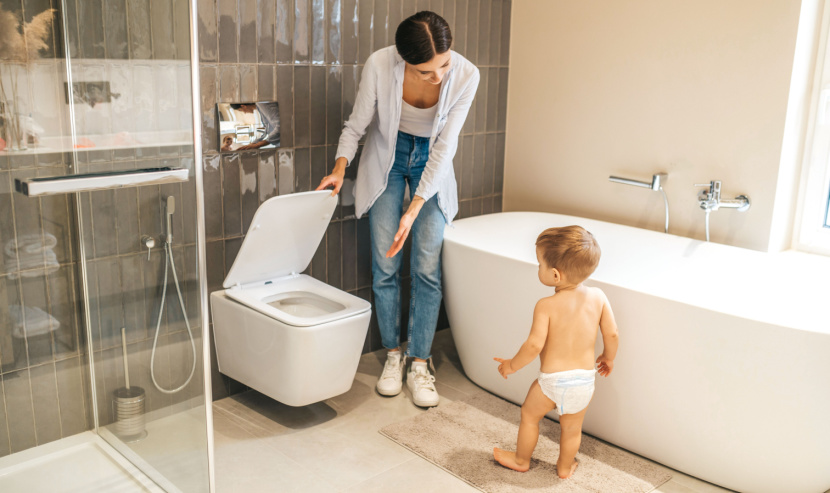
Toilet training, also known as potty training, is a significant milestone in a child’s development. It marks their transition from diapers to using the toilet independently. However, determining when a child is ready for toilet training can be a bit tricky, as it varies from child to child. In this article, we’ll explore the signs that indicate your child may be ready for toilet training and offer some tips on how to approach this important milestone. 

About the signs of readiness for toilet training 

Age isn’t everything. While many parents might wonder when to start toilet training, it’s essential to remember that age is not the sole indicator of readiness. Some children may show signs of readiness as early as 18 months, while others might not be ready until closer to their third birthday. It’s crucial to be patient and follow your child’s cues rather than adhering to a strict timeline. 

Interest in the toilet. If your child shows curiosity about the toilet, such as watching others use it, asking questions, or wanting to flush, it’s a positive sign of readiness. Their interest indicates that they are beginning to understand the concept of using the toilet. 

Awareness of bodily functions. When a child starts to recognise when they are urinating or having a bowel movement, it can be a clear sign of readiness. They may express discomfort or ask for a diaper change when they are wet or soiled, showing that they are becoming aware of their bodily functions. 

Dry periods. If your child has longer periods of dryness in their diapers, especially after naps or waking up in the morning, it’s a sign that their bladder control is improving. This dryness suggests that they may have the physical capability to hold their urine for more extended periods. 

Expressing independence. Many children in the toddler stage start asserting their independence. If your child begins to demonstrate a desire for autonomy, such as insisting on dressing or undressing themselves, this readiness for independence can extend to using the toilet. 

Tips for successful toilet training 

Create a comfortable environment. Ensure that your child feels safe and comfortable in the bathroom. Consider using a child-sized potty chair or a step stool to help them reach the toilet. 

Establish a routine. Set a consistent toilet routine, such as after meals or before bedtime, to encourage your child to use the toilet regularly. Consistency is key in reinforcing the habit. 

Use positive reinforcement. Praise and encouragement can go a long way in motivating your child during toilet training. Offer verbal praise, claps or small rewards when they use the toilet successfully. 

Be patient and supportive. Expect accidents to happen, and when they do, remain patient and supportive. Avoid expressing frustration or disappointment, as this can create anxiety around toilet training. 

Model behaviour. Children often learn by imitating adults. Allow your child to observe you or older siblings using the toilet to help them understand the process better. 

Dress for success. Choose clothing that is easy to remove quickly, especially pants with elastic waistbands, to make it easier for your child to use the toilet independently. 

Avoid pressure. Never force your child to use the toilet if they are resistant or not ready. Forcing the issue can lead to negative associations with toilet training. 

Importance of patience and encouragement 

The timing for toilet training varies from child to child, and it’s essential to watch for signs of readiness rather than adhering to a strict age-based schedule. Remember that every child is unique, and patience, positive reinforcement and a supportive approach are key to successful toilet training. Celebrate your child’s achievements, no matter how small, and provide them with the guidance and encouragement they need as they embark on this developmental journey toward independence. 

Categories
Blog

How Can I Encourage My Toddler to Learn 

As a parent, you play a vital role in shaping your toddler’s attitude towards learning. The early years are a critical time for cognitive, emotional and social development, and fostering a love for learning at this stage sets the foundation for their educational journey. Here are some effective ways to encourage your toddler to learn and cultivate a lifelong passion for knowledge. 

Create a stimulating environment 

Your toddler’s environment plays a significant role in their learning experiences. Create a safe and nurturing space that stimulates their curiosity. Provide age-appropriate toys, books and educational materials that engage their senses and promote exploration. An enriched environment can spark their interest and encourage them to discover new things. For example, here at Star Academy Kids Early Learning Centre, we maintain an enriched, supportive and nurturing environment for toddlers. Here, they always feel safe to play and explore, which helps them continuously gain positive and productive learning experiences. 

Be a positive role model 

Children often imitate their parents’ behaviours. Demonstrate a positive attitude towards learning and show enthusiasm for new experiences. When your toddler sees you reading, exploring or engaging in educational activities, they will be more inclined to follow suit. 

Incorporate play-based learning 

Toddlers learn best through play. Integrate learning into fun and engaging activities. Use educational games, puzzles and interactive toys that promote cognitive skills like problem-solving, critical thinking and hand-eye coordination. Play-based learning helps your toddler develop a natural curiosity and eagerness to explore the world around them. 

Read together daily 

Reading is one of the most effective ways to encourage learning in young children. Set aside time each day to read together, and let your toddler choose the books that interest them. Make reading sessions interactive by asking questions, pointing out pictures and encouraging them to narrate the story in their own words. 

Follow their interests 

Pay attention to your toddler’s interests and cater learning experiences around them. Whether they show interest in animals, vehicles or colours, use these topics as a springboard for educational activities. Tailoring learning to their passions makes it more enjoyable and meaningful for them. 

Offer praise and encouragement 

Positive reinforcement goes a long way in motivating toddlers to learn. Offer genuine praise and encouragement when they accomplish something new or overcome a challenge. Celebrate their achievements, no matter how small, and let them know that their efforts are valued. 

Be patient and flexible 

Every child learns at their own pace. Be patient and understanding as your toddler navigates the learning process. Avoid pressuring them or comparing them to others. Instead, provide a supportive and nurturing environment that allows them to explore and learn at their comfort level. 

Embrace outdoor learning 

Nature provides a wealth of learning opportunities. Take your toddler outdoors to explore the natural world. Point out different plants, insects and animals. Let them feel different textures and experience the wonders of the outdoors. Outdoor learning fosters curiosity and a sense of wonder in young minds. 

Your child’s exciting and productive journey 

Encouraging your toddler to learn is a rewarding journey that requires love, patience, and creativity. By creating a stimulating environment, incorporating play-based learning and being a positive role model, you can instil a passion for knowledge in your child from an early age. Remember to follow their interests, offer praise and embrace outdoor learning to create a well-rounded and enjoyable learning experience. With your support and encouragement, your toddler will embark on a lifelong adventure of curiosity and discovery. 

Categories
Blog

How Can You Tell If a Kid is Going to be Successful? 

Determining the potential for success in children is a complex task. While predicting the exact trajectory of a child’s life is impossible, certain indicators can provide insights into their future prospects. By examining key factors such as personality traits, social skills and intrinsic motivation, we can gain a deeper understanding of a child’s potential for success. 

Intrinsic motivation 

One of the fundamental predictors of success is a child’s intrinsic motivation. Intrinsic motivation refers to an internal drive and passion for a particular activity or goal. Children who display a natural curiosity, enthusiasm and persistence in pursuing their interests are more likely to excel in their chosen fields. Parents and educators can foster intrinsic motivation by encouraging exploration, supporting self-directed learning and providing opportunities for personal growth and development. 

Social skills and emotional intelligence 

The ability to effectively communicate, collaborate and empathise with others is a critical aspect of success. Children who demonstrate strong social skills, such as active listening, conflict resolution and teamwork, have an advantage in various professional and personal settings. Furthermore, emotional intelligence, which includes self-awareness, self-regulation, empathy and interpersonal skills, plays a vital role in building meaningful relationships and navigating challenging situations. 

Perseverance and resilience 

Success often requires perseverance and resilience in the face of obstacles and setbacks. Children who exhibit determination, the ability to bounce back from failure and a growth mindset tend to overcome challenges more effectively. Encouraging children to embrace failures as learning opportunities and providing support during difficult times can help cultivate these essential qualities. 

Creativity and critical thinking 

The ability to think creatively and critically is increasingly valued in today’s rapidly changing world. Children who display imaginative thinking, problem-solving skills and the ability to approach challenges from multiple perspectives are better equipped to adapt to new situations and contribute innovative ideas. Encouraging open-ended exploration, fostering curiosity and exposing children to diverse experiences can enhance their creative and critical thinking abilities. 

Summary 

While no single trait can guarantee success, a combination of intrinsic motivation, social skills, emotional intelligence, perseverance, creativity and critical thinking can contribute to a child’s potential for success. It is important to remember that each child is unique, and nurturing their individual strengths and interests while supporting their overall development is crucial for unlocking their full potential. By fostering a nurturing and supportive environment that encourages growth, exploration, and a love for learning, parents and educators can set children on a path towards a successful future. 

Here at Star Academy Kids Early Learning Centre, our role here is to foster a nurturing and supportive environment for children. We also help them further develop their social skills, emotional intelligence, perseverance, critical thinking and other traits that could give them an amazing start in life. 

Categories
Blog

Is it Good for a Child to be Bored? 


It seems boredom is the enemy. After all, we see it as downtime. If we and our children do nothing, we’re wasting our time instead of spending it on something productive or entertaining. As a result, we always fill our children’s schedules and we do the same to ours. 

Why boredom is still good 

However, a fully packed schedule can do more harm than good. Because we’re always doing and moving, it leaves us no time to think, reflect and become creative. This also happens to our children who are always busy learning and playing. Because of their busy schedules (despite being young and new to this world), they also have no time and freedom to practice their creativity. 

In other words, some downtime is still important. This way, our children’s brains will have adequate time and space to think and reflect. They also need this to come up with creative solutions during their learning and playtime. This also gives them time to “daydream” and imagine things beyond what they see and experience. This is important in helping them better understand cause-effect relationships as well as anticipate the consequences of their actions because they can better imagine the scenarios. 

Being present and the joy of discovery 

Aside from downtime giving enough space and freedom to think and become creative, that downtime also helps children become more present and mindful of their surroundings. They can better focus on the moment and notice the things around them. For example, during downtime they can better notice the colours and anatomy of insects and small animals. They can also better feel the heat from sunlight and the texture of the floor they’re walking on. 

This downtime and boredom can also help children practice their initiative and pursue their own interests. For example, during unstructured playtime, children have the time and freedom to focus on what interests them most. Aside from helping and encouraging them to discover their interests and passions, it’s also a great opportunity for us parents and educators to discover our children’s natural talents and passions. This way, we can act promptly and better support our children in their endeavours. 

Boredom can benefit children in several ways. Downtime can give children time and space to think, which is vital for their cognitive and creative development. Structured activities are still important, but there should still be some downtime and unstructured playtime so that our children can pursue discovery and exploration on their own. 

Categories
Blog

What Makes Some Children Smarter? 

For several years, scientists have been conducting studies on what makes some children smarter. Is it because of genes? Does good nurturing and parenting actually play a huge role? Is there something different about some children’s brains? 

One such study was conducted in 2006. It’s one of the most detailed studies on IQ and brain development. It showed that there’s something different with the children’s brains who did well on IQ tests. Their brain cortex is bigger and they have developed faster compared to that of their peers’. 

This demonstrates that structure (including the size of the brain cortex) have a huge influence on function and ability. It also shows that nature actually plays a role in why some kids are smarter. It’s always been true that some are born with clear advantages over the others. Children are born with different starting capabilities and the advantages can quickly snowball over time if properly nurtured. 

Does this mean we have no control? 

As mentioned earlier, nurturing is still important. After all, children still have to tap into their potential. That potential can remain buried if we parents fail to provide them the support they need. We can see here that we still have a huge role as parents when it comes to helping our children become truly smart. 

Aside from good parenting, a nurturing and stimulating environment is also important in supporting child development. Without adequate stimulation, children won’t have much to “chew on.” Their brains must be continuously stimulated in a healthy way so that their brains are continuously processing inputs and consolidating information and experiences. In other words, this is a form of continuous mental exercise so that their brains can get “stronger.” 

As a result, parents are careful to choose an early learning centre for their children. Parents make sure that the learning environment for their kids is safe, comfortable, nurturing and stimulating. After all, children will spend hours there every day. That environment can have a significant influence on the children’s brain development. 

Here at Star Academy Kids Early Learning Centre, we have carefully designed a safe and nurturing learning environment for children to explore, play and learn. With this environment, children can receive adequate healthy stimulation that supports their rapid brain development. 

Categories
Blog

Do Kids Have Shorter Attention Spans Now? 

With the internet and social media, it seems these have trained and conditioned children to be constantly distracted throughout the day. As a result, they might develop shorter attention spans. This can be harmful to their learning and development as they will find it hard to focus on a particular concept or activity. 

The link between media use and attention 

There have been studies on determining the effect of digital consumption to learning and development. For example, there have been findings that state that technology use can affect mental health (and indirectly affect academic performance). On the other hand, there are research papers (such as this one) that emphasise the need for a better systematic approach in studying the link among attention, learning and digital consumption. After all, it’s possible that a third factor (aside from media use) is causing the decline in focus and attention. 

Trends on digital consumption 

Still, we can clearly see the trend on digital consumption. For instance, tweets and short videos (only under a minute long) have dominated the social media landscape. Quick and endless scrolling can train the brain to get easily distracted or crave for quick stimulation. Another trend is about the number of online notifications we receive now. In this modern age, it seems that we’re being pulled into several directions that require our attention (news, messages and updates from friends and family, online subscriptions, work emails). 

With that quick and endless distraction and stimulation, eventually our brains might find it hard to focus on a particular task. It’s especially the case with our children who at an early age already have access to the smartphone and internet. This can train and lead their young and rapidly developing brains towards the quick and endless stimulation being provided by the internet. 

To prevent that, it helps if we limit their media use and screen time. Aside from protecting their brains from the harms of the internet, it’s also a practical way for them to get more physical playtime. They will become more physically active and they get to play with real objects and get immersed in a physical environment. This is critical in their early years as they start to build their foundation on further learning and development.