Categories
Blog

Early Childhood Education During and After This Pandemic

Here let’s talk about what might happen to early childhood education during and after this COVID-19 pandemic. Some are already happening because of current precautions and restrictions. Rapid and permanent changes are sure to happen and as parents we have to know some of the possibilities so we can help our children better prepare for the future.

Early childhood education during and after this pandemic

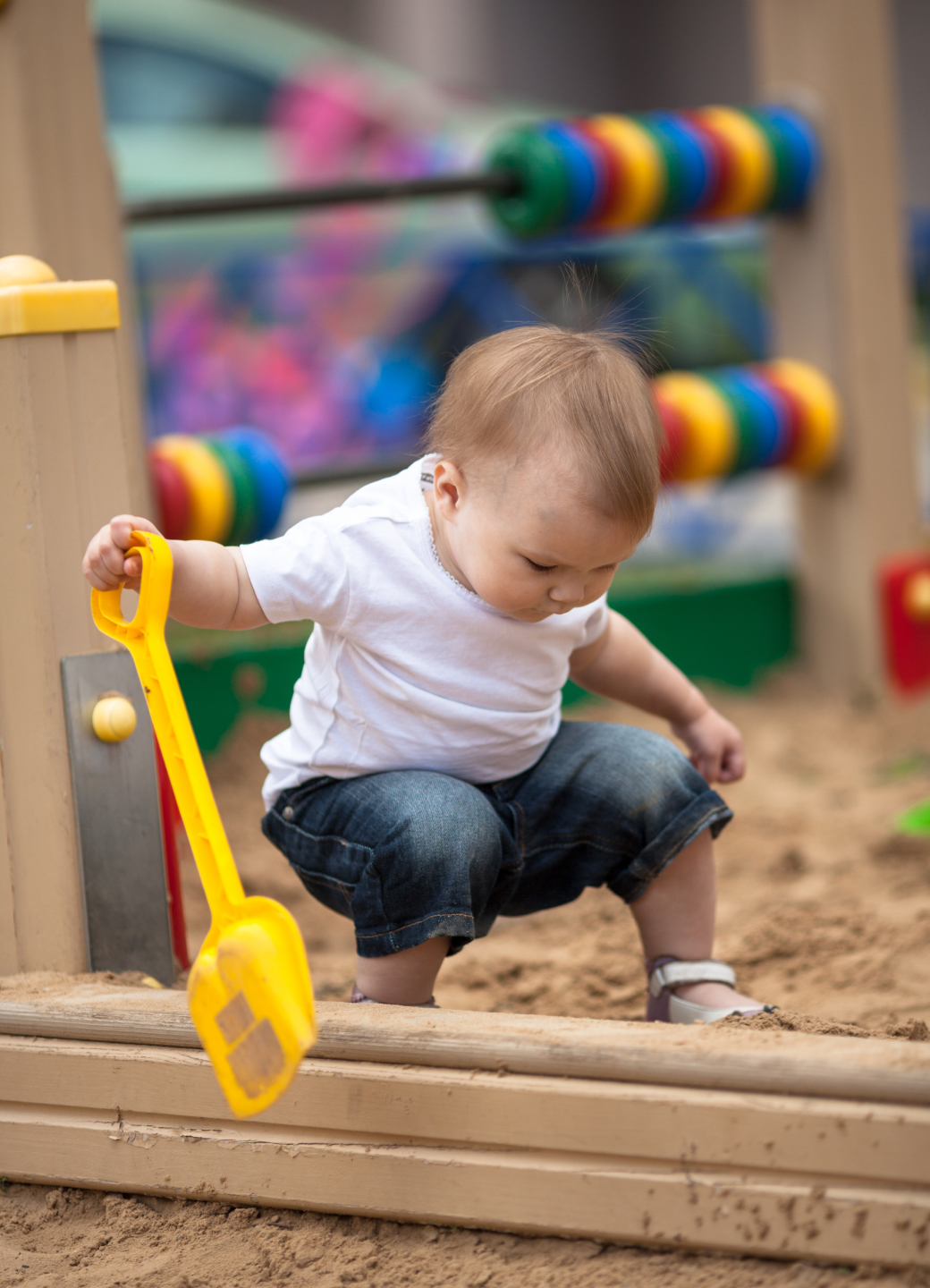
Movement is almost limited only to doing the essentials such as working, learning and buying groceries. However, the scope of essentials also includes having a healthy social and emotional life. This could be about going to parks, attending to small social events and interacting with co-workers and other people. For children it could be about playing with their peers and interacting with real objects and the real world.

It’s especially the case now where early childhood education emphasises play-based learning. It’s about more interaction with objects, environment and other children instead of a sole emphasis on academic learning and abstract thinking. This way, children can achieve a more holistic development that includes their social skills.

But that holistic development is at risk because of new threats and possible future restrictions. Playtime might be restricted and online learning (or in combination with in-person sessions) might be the standard. This means there will be less interaction and actual play-based learning. This will then affect the children’s learning and development (and could have long-term consequences to their physical and financial well being because of the huge importance of early childhood education).

It’s true that restrictions are easing up but there’s always that possibility of a re-emergence, second wave, a mutated deadlier strain or new information about the true effects of coronavirus to children. As a result, it’s crucial to stay updated with what the authorities say about the restrictions and how early learning centres are responding. Certainly more thorough cleaning and disinfection is being done in learning facilities as well as closely monitoring the children’s health (e.g. those with coronavirus-related symptoms, no matter how mild, might not be allowed in early childhood education and care facilities).

Even after the pandemic or we somehow figured it out how to better manage the crisis without risking people’s lives, there might be permanent changes as a result of emergency measures during the height of the crisis. One of those permanent changes is the clearer emphasis on the parents’ role to their children’s early education. Another is the clearer emphasis on the children’s physical health and how we can better help them deal with the uncertain future.

Categories
Blog

Why a Healthy Home Environment is Important

Learning is not just about studying at schools and early learning centres. After all, learning goes beyond understanding concepts but also accumulating experiences whether outside or at home.

Why a healthy home environment is important

Parents, governments and institutions have recognised the role of the environment especially during the early years of children. This is the period when rapid physical and cognitive development happens. The core brain architecture is being built and billions of neurons get connected to one another during these early years.

Because of the huge role and influence of the early years on people’s adult lives (emotionally, physically and financially), it took a major transformation of how we educate young children. Play-based learning is now the highlight of many curriculums rather than emphasising numeracy and literacy skills. These latter skills are still vital, but play also has a huge role in a child’s development.

But what is play? This could be a random, intentional or creative interaction with objects and the environment. This environment is not just about the preschool or early learning centre, but also your home including the child’s bedroom and play area. Aside from the toys and educational materials, the home environment is also about the safety, colours, food, noise, shapes and flow inside the house. The home environment is also about the people surrounding your child. The totality of the objects, people and interactions inside your home helps shape your child’s cognitive and physical development.

Parents are careful when it comes to choosing an early learning centre for their children. However, it’s also important to be careful about how the home looks and feels like. After all, young children still spend most of their time inside their homes (and the hours can be greater because of certain circumstances such as a pandemic or a natural disaster). As a result, the home environment could have more impact on children’s overall development.

Does your home encourage and facilitate the accumulation of positive experiences? This is an important question to ask, especially if you want your child to get early advantages and be better prepared for preschool, formal schooling and beyond.

Categories
Blog

How to Get My Child Interested in Reading?

Reading will always be a part of learning and studying. It’s best now to help your child get good reading habits so that he/she will gain some early advantages. Although reading is only one dimension of learning, it’s still a vital activity that will help your child learn further and improve his/her language skills.

How to get my child interested in reading

It’s true that reading is passive and boring. Children might always choose to play with toys or get immersed in an online game through the computer or smartphone. However, screen time should be limited (only one hour each is often the recommendation). Although play is getting more emphasis recently because of its huge role in learning, reading is still a crucial learning activity.

It’s a huge challenge for parents to motivate their children to read. Good news is there are still ways to make the activity a bit more engaging. For example, you can start with reading stories to your child more often. This makes reading a fun experience and will help your child associate reading to positive things. In other words, whenever your child reads, he or she will feel good because the associated emotions are positive to begin with.

Another way to help your child become more interested in reading is that you surround him/her with a variety of reading materials. This keeps the activity engaging and interesting because of the variety. Also, those reading materials can still be image-intensive. Several blocks of texts are sure to repel both children and adults. But if the material is rich with images, engagement becomes more likely.

Aside from the variety, also let your child make a choice on what to read. Here, variety helps more because you present options to your child. These options and allowing your child to make a choice help build his/her independence and confidence. By age three or four, your child might already want to have a sense of control to what he/she eats, reads or plays with. It’s good to support that from time to time so that he/she can exercise his/her independence and decision-making skills.

Finally, learning is not all about reading. Each moment can be a learning experience for your child as he/she interacts with objects, people and the surroundings. Even during sleep, crucial neural connections are being formed and what he/she experienced and learned throughout the day is being consolidated. As a parent, what you can do then is to give support and make sure your child is in a favourable environment.

Categories
Blog

How Do I Help My Child Adapt to Change?

Uncertainty is a part of life. But as parents, we want our children to lead smooth, stable and predictable lives. We want them to be safe but we also want them to become adaptive to change. After all, once they get into formal schooling and beyond, life gets more unpredictable and chaotic. We want them to become resilient and even emerge stronger as they respond to change.

How do I help my child adapt to change

At first, it still helps to build a structure and routine to your child’s everyday life. For example, from zero to three years old, we try to make everything predictable and right on schedule. That’s because babies and very young children still try to make sense of the world around them. With all the objects, environments and people around, it’s still overwhelming for young children.

But through ages four and beyond, perhaps it’s time to expose them to different environments and experiences. This variety is crucial to helping our children become comfortable to change. In other words, we try to expand their comfort zone so that when they encounter a new environment or experience, they can easily navigate through it.

During this exposure to variety, it’s normal that sometimes they will feel sad and frustrated because things didn’t turn out the way they expected to. It’s crucial to let them process and express their feelings. This way, their minds can adapt and better respond to future changes and frustrations. In other words, a bit of stress here and there can help build strength and character. Be careful though because chronic stress can affect your child’s brain development in the long term.

You also have a huge role as a parent because you can help your child process his or her emotions. You can let him/her talk it through and express his/her emotions. Your comforting presence is also crucial in letting your child know that it’s still safe out there and it’s all right to explore and try new things.

As your child grows older, he/she will become better prepared to face the future full of uncertainty. Being adaptive and resilient is becoming more important than ever in these times of rapid change.

Categories
Blog

Will Early Childhood Education Change?

The way we help our children learn and develop has already evolved many times through the decades. Back then we might be only prioritising literacy and academics. But because of the Early Years Learning Framework, the crucial role of play is also now being emphasised. After all, learning is not just about sitting in a classroom but also whenever a child plays and interacts with people, objects and the environment.

Will early childhood education change after COVID-19?

Parents are scared now because of the threats and risks outside. Schools and early learning centres shut down to contain this uncertain threat and keep our children safe. After this crisis, children still have a lot of time to catch up. It’s still best to ensure our children’s safety and perhaps accept the pauses and delays.

What if my child falls behind? This is a real concern among many parents but good news is that lessons will be somehow synchronised (ask your child’s learning centre, contact your school about this or enquire here). In other words, each child receives the same lessons as the others. This is to keep things consistent and make sure each child learns at a comfortable pace.

It’s uncertain whether this online learning will be a permanent part of the education system (and if the Early Years Learning Framework will get modified). What’s certain though is the huge role of the parents. Both the children and the parents might stay at home for longer periods of time. This is a huge opportunity for parents to be with their children and also guide their learning and education. Also, the learning from home hub may require the parents’ constant assistance. In other words, it seems that parents now have a bigger role to play in their children’s development.

It’s actually been this way because children still spend most of their time at home. The presence of the parents as well as how the environment looks and feels like has a huge impact on how the child’s brain develops. The curriculum might change a bit to better respond to the times and further help children achieve their potential. What will always stay the same is the huge role of parents and the home environment.

Categories
Blog

Is Online Education for Toddlers Effective?

Learning and development should still go on especially in young children. However, new restrictions and concerns might make us depend more on online education rather than letting them attend physical classes (whether in an early education or a performing arts learning centre).

But can online education really help?

First, we have to think of online classes as something that will complement classroom and real-world learning. It’s especially the case with children where they’re just starting to make sense of the world around them. After all, toddlers don’t just develop their literacy and numeracy foundations at the early education centre. These toddlers also develop important social skills and gain key experiences. The interaction with other children and the environment is crucial to their physical, cognitive, social and emotional development.

Second, we still have to limit our children’s time online. One hour is already enough and anything more than that may harm our children (source: The Department of Health). For example, that one hour could have been spent instead on active play and stimulating their creativity. There’s always a trade-off here because each hour online is time taken away from real physical activity (which could then harm their health and even cause headaches and eye strain). For shy children, the time online could reinforce their tendency to stay away from other children.

Third, children need structure and stability. Everything is new to them and their brains are busy collecting and connecting the dots. But for them to better connect those dots, the early childhood centre can provide that needed guidance and structure. Online classes can just supplement what’s being provided by a real physical setting.

In summary, it’s about making sure that our children still get active play and exploration in a physical environment. This is our children’s crucial formative years and we have to provide the necessary inputs and stimulation for them to properly develop. Online education can still help but that needed physical activity and social interaction will always remain crucial.

Categories
Blog

Should Your Child Specialise This Early?

Excellence in one field indeed requires specialisation. If you want your child to be excellent at playing the piano or basketball, it’s just wise to let your child specialise at his/her young age.

But what if the opposite is also true? What if generalists also excel and even surpass those specialists? Is excellence a result of specialisation or also because of exposure to different fields and interests?

Should your child specialise this early?

Children undergo rapid brain development where millions of neural connections form and the core brain architecture is being built. The early years are actually the ripe period where learning and development should happen. Those early years are also the perfect opportunity to give your child a huge head start.

What kind of head start should you give your child? First, a solid literacy foundation is crucial because it’s how humans get along and how they learn new concepts. It’s also crucial to let your child learn in a rich and nurturing environment (where play and exploration are encouraged).

Notice there that it’s a combination of academics and play. Both educational and government institutions recognised the importance of those two aspects in early childhood development (e.g. Early Years Learning Framework). Literacy has always been important, but we also need to let our children interact with real people, objects and surroundings.

Also notice there that it resembles being a generalist first. This is important because children need to have a “sample” first of many things that are out there before they can choose a focus. This way they will have several options and they can also have a lot more fun along the way. They can even gain a multidisciplinary perspective that’s now becoming more essential in this fast-paced and interconnected world.

To be a specialist or a generalist? The short answer is to be a generalist first and then specialise later. Exposure to different fields and environments will expand your child’s comfort zone. This will also help your child connect the dots and better get along with different people.

Categories
Blog

Should Your Child Specialise This Early?

Excellence in one field indeed requires specialisation. If you want your child to be excellent at playing the piano or basketball, it’s just wise to let your child specialise at his/her young age.

But what if the opposite is also true? What if generalists also excel and even surpass those specialists? Is excellence a result of specialisation or also because of exposure to different fields and interests?

Should your child specialise this early?

Children undergo rapid brain development where millions of neural connections form and the core brain architecture is being built. The early years are actually the ripe period where learning and development should happen. Those early years are also the perfect opportunity to give your child a huge head start.

What kind of head start should you give your child? First, a solid literacy foundation is crucial because it’s how humans get along and how they learn new concepts. It’s also crucial to let your child learn in a rich and nurturing environment (where play and exploration are encouraged).

Notice there that it’s a combination of academics and play. Both educational and government institutions recognised the importance of those two aspects in early childhood development (e.g. Early Years Learning Framework). Literacy has always been important, but we also need to let our children interact with real people, objects and surroundings.

Also notice there that it resembles being a generalist first. This is important because children need to have a “sample” first of many things that are out there before they can choose a focus. This way they will have several options and they can also have a lot more fun along the way. They can even gain a multidisciplinary perspective that’s now becoming more essential in this fast-paced and interconnected world.

To be a specialist or a generalist? The short answer is to be a generalist first and then specialise later. Exposure to different fields and environments will expand your child’s comfort zone. This will also help your child connect the dots and better get along with different people.

Categories
Blog

Why Is It Important for a Child to Play Outside

Getting some sunshine and exercise is important for your child’s immune system and bone development. Sunshine also helps children (and we parents as well) get a healthy sleep and be in a good mood. After all, we humans have evolved to be outdoors and interact and adapt to the outside environment.

Why is it important for a child to play outside

It’s just hard to be physically active indoors. Children can instead use smartphones and other electronic devices to stay busy. The result is they become inactive and passive. Aside from the lack of physical exercise and activity, they will also lack real-world learning. This will then affect their cognitive and creative development.

Staying indoors can prevent them from seeing, smelling and touching different objects. Although it’s safer indoors, that high level of safety can also prevent your child from taking risks and figuring things out. Even with lots of educational toys your child can play with indoors, there’s still no substitute for a rich outdoor environment. This is an environment where your child can actively explore, solve problems and play with other children.

It’s true that the internet is a rich source of information. However, it’s recommended to limit your child’s exposure to it. More hours on the internet also means fewer hours for outside play. Furthermore, there’s no actual risk taking and problem solving and most likely only your child’s sense of sight is being used. In contrast, playing outside requires your child to use his/her sense of sight, smell, hearing and touch.

Letting your child play outside also helps develop his/her appreciation of nature. Perhaps you still remember the time when you’re excited about going to the beach or having a picnic. Things have changed because we now prefer staying indoors because it’s safer and more convenient (we’re now spending less and less time outside). As a result, we lower our appreciation of nature.

We should not let that happen to our children. They will be missing out on a lot of things (such as how the grasses and sand felt as well as how the flowers really look and smell like). When we expose our children to nature and outdoors, it’s an amazing opportunity for them to appreciate what’s outside, learn to explore and figure things out and gain fun memories they can bring with them for decades. It’s also about letting our children have a full life and this is only possible if we allow them (and ourselves) have fun outside.

Categories
Blog

How Do I Know If My Child is Allergic to Something

Skin rashes and difficulty in breathing as well as sneezing, coughing, itchy eyes, itchy mouth, swelling of the face, runny nose, stomach upset. Both outdoor and indoor elements (including food) can trigger allergies so it’s best to closely monitor your child for any allergy symptoms. It also helps to consult an allergy or immunology specialist (after referral and consulting a GP) for a proper assessment (could be a skin-prick test or blood tests).

How do I know if my child is allergic to something

Dust, pollen, insect bites and stings, animal hair or fur, moulds, perfume, peanuts, milk and eggs are some of the triggers. These are often harmless to most people but because of how a person’s immune system overreacts to a foreign substance, it could be life threatening. The immune system sees the rather common substance as dangerous which is why there’s an extreme response. Although fatal allergic reactions are rare, it’s still best to be safe.

How to help your child become safe then? Your child is exposed to probably dozens or hundreds of different substances each day. Whether it’s indoors or outdoors, it’s just impossible to watch out for each object or substance he/she comes into contact with. It’s also the case about food. Perhaps your child accidentally consumed a meal or snack with peanuts or eggs. And when allergy symptoms do appear, you have no idea what triggered them.

Best way is to consult a GP and he/she might refer you to a specialist in allergies or immunology. This way your child won’t suffer in the first place and you gain peace of mind. Your child will be able to avoid the allergens and as soon as possible you can create an environment fit for your child. And in case of emergencies, you will be ready and you will minimise what your child has to go through when allergy symptoms do appear (e.g. you can refer to the Action Plans prepared by the Australian Society of Clinical Immunology and Allergy).

It’s also crucial to make sure the nanny you hire has training in First Aid and CPR (as well as on what to do when asthma attacks or anaphylaxis happens). The early education centre where your child is in or will be should also have a safe environment (as well as providing meals and snacks that take into account your child’s allergy) and there should be respondents when emergencies happen.

An early correct diagnosis is critical here so that your child won’t have to go through unnecessary pain and discomfort. Early diagnosis and being proactive will also improve your child’s quality of life as well as help you gain peace of mind even when you’re busy or away.