

Categories
Blog

What are the Most Common Children’s Health Issues?

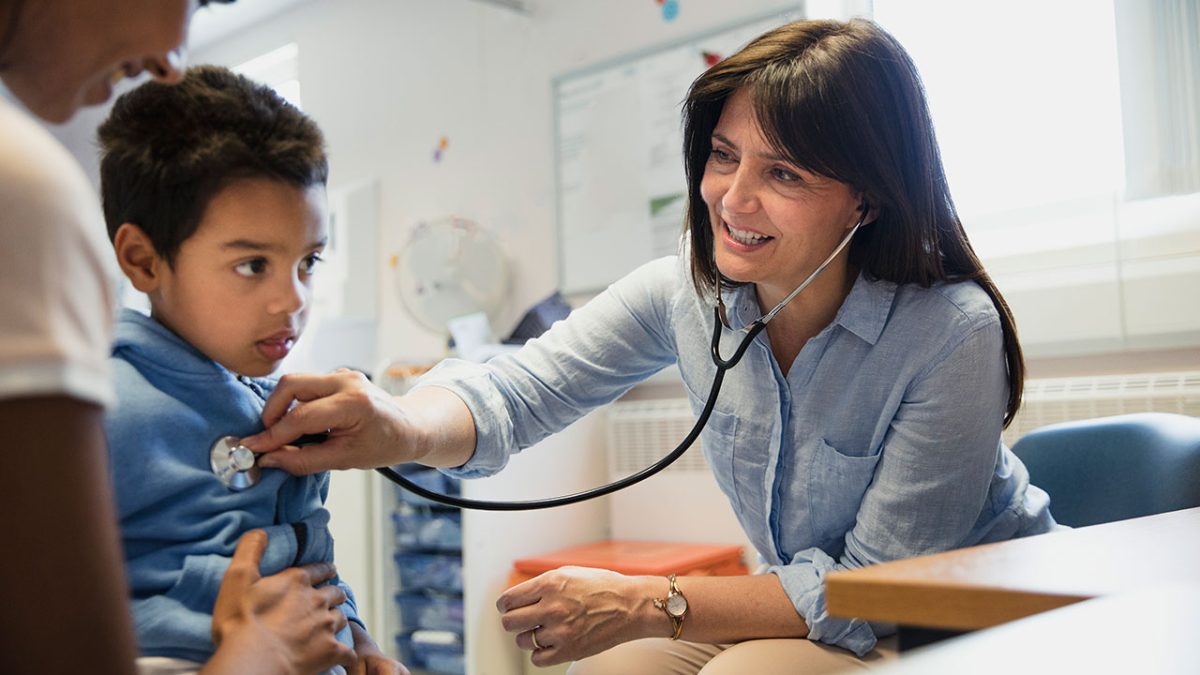
It is always incredibly important when you have children to keep up to date with paediatric health issues. By doing so you ensure you’re prepared for when the worst occurs and your child gets sick. We too, at Star Academy Kids, stay relevant with children’s health issues for the peace of mind of our parents. All of our staff are trained in first aid and understand the chain of operations whenever one of our students gets sick.

No matter how physically active young people are, health problems are not uncommon at an early age. Proximity to other children breeds contagions which can result in health conditions at any time.

Your child’s health should be your number one priority. We have compiled the following list of the most common children’s health issues to keep you aware about what goes round and how to look after your children when they’re sick.

A Sore Throat

Sore throats in children are common and are usually painful. In the majority of cases, a sore throat is simply a by-product of a mild virus and isn’t cause for any concern. Antibiotics are not needed and the child will usually recover in seven to ten days. The only exception is a disease called strep throat which will require medical examination.

Ear Pain

Ear pain can stem from an ear infection and is incredibly common in preschool-aged children. Other causes of ear pain can be increased pressure on the ear drum, resulting from a cold, teeth pain radiating up the jaw or something else. An ear exam by a doctor is the best way to know what the cause of your child’s ear pain is. A paediatrician will be able to provide a solution (usually antibiotics) following a consultation.

Urinary Tract Infection

Bladder infections, most commonly referred to as urinary tract infections stem from the built up of bacteria in the urinary tract. A UTI will require a urine analysis from a doctor before a treatment is prescribed. Symptoms may include: pain while urinating, infrequent or too frequent urination, bedwetting or abdominal pain.

Bronchitis

Bronchitis is the term used to describe an infection of the bronchial tract, or airway. The bronchial airway is the main, central passage of oxygen between the mouth and lungs. Often, bronchitis is as simple as a common chest cold and doesn’t require antibiotics. Simply cold and flu medication should be sufficient to control the problem.

Bronchiolitis

Bronchiolitis is especially common during the cold and flu season. It is characterised by wheezing when breathing. The condition is almost always caused by a virus, this means it does not require antibiotics.

The treatment options for bronchiolitis are centred upon making the child as comfortable as possible, with monitoring for further development of bronchial symptoms. Asthma medication is not recommended as a treatment option for bronchiolitis.

A Cough

Coughs are usually caused by viruses and do not often require antibiotics. Cough medicine is not recommended for children 4 years of age and younger, or for children 4 to 6 years of age unless advised by your doctor. Studies have consistently shown that cough medicines do not work in the 4-years-and-younger age group and have the potential for serious side effects. Cough medicines with narcotics—such as codeine—should not be used in children.

A Common Cold

The common cold can be very benign or very deadly. A cold will start in the upper respiratory tract and can spread to the sinuses, ears, eyes, nose and mouth. Kids can catch a cold 6 to 8 times per year and symptoms may last for seven to ten days.

The common cold can be unpleasant, but rarely requires antibiotics. The only exception is when a sinus infection becomes present and a doctor recommends stronger medication to help tackle the problem. This will be done following an examination.

If Symptoms Change

Occasionally, mild infections such as a bronchial infection or a common cold can develop into more serious infections.

Call your pediatrician if your child’s symptoms begin to change, become worse, do not go away after a few days or if new symptoms begin to develop. If your child’s illness has worsened, or if he or she develops complications, your pediatrician may recommend a new treatment.

Contact Star Kids Academy Today

At Star Kids Academy, all of our staff are trained to handle a medical situation whenever it arises. We have access to first aid kits on site and are certified to give children over the counter medication and other health care as needed. If a medical emergency manifests, we always call 000 and the parents of the child who is suffering immediately.

If your child is sick with a chronic disease, please do not bring them to preschool and instead take them to the nearest children’s hospital. If you want to ask any questions about our health services or medical policy, please call (02) 9591 7575 to talk to our friendly team.

Categories
Blog

Why Is It Important for Children to Have a Sense of Belonging?

We have this deep desire or need to belong with and connect to others. We’ve especially felt that during lockdowns or restrictions. The feeling of isolation made us feel lonely and we just can’t wait to go out there again and feel the presence of other people.

Why is it important for children to have a sense of belonging

We also notice how children always want to play with others. They’re having more fun if there are other children (although sometimes it results in quarrels and crying). There are still “alone times” of course when they’re deeply curious or focused on something. But overall, it gets more fun if there are other kids or even just one other child around.

It’s like connecting with others is one of human’s built-in features. Babies and young children automatically gain helpful and cooperative behaviours on their own. Perhaps this is crucial for us to survive and thrive and maybe we gained that trait or feature through evolution or natural selection. Those who help and cooperate have a greater chance of surviving. After all, almost everything we need for survival comes from other people.

It’s especially the case with newborns who are completely dependent on parents or caregivers. Babies automatically learn how to connect by smiling and just being cute and adorable. As a result, we can’t help but pay attention to them and immediately give them what they want or need.

Young children and preschoolers also quickly learn how to adapt to and follow social norms. They start to get along well and form small groups whether for fun or achieving a tiny goal during playtime. As a result, they feel included and they experience more fun as well.

This sense of belonging is important to our children’s development, which is why in the Early Years Learning Framework the emphasis is on Belonging, Being and Becoming. This framework helps children better read others’ behaviours and have fun in social groups. As a result, they become more comfortable in social settings and gain a meaningful sense of belonging.

Here at Star Academy Kids Early Learning Centre, we help children feel they’re connected with us educators and other children. We always want to make it a fun and meaningful experience (not just about learning). This way, the kids can truly connect and experience a warm and nurturing environment.

Categories
Blog

2021 Enrollments Have Begun At Star Academy

Star Academy Kids is now taking enrolments for 2021 to start from January, 2021 at our preschools in Liverpool, Belfield, Canterbury and Campsie. Our early learning centre provides a unique learning experience different from anybody else in the area. If you’re looking to enrol your kids in a fun, exciting and stimulating preschool program, then our centres are the right place for you.

Founded over ten years ago, our early learning centres have been providing a bright, colourful and well-equipped centre for children ages 2-5 for a long time now. Kids participate in a wealth of learning activities, games and social interactions with others at their level at Star Kids Academy. We accept and encourage all cultures and promote exploration, creating, investigation and expression.

Our early childhood curriculum is based on the Early Years Learning Framework for Australia. Our commitment to the curriculum sees us properly preparing all our kids for big school. We follow a finely crafted curriculum and do our best to ensure young children are capable and confident as they exit their early years and move on with the rest of the primary school aged children.

We do all we can to engage with families because we believe that they are the most important influence in a child’s upbringing. By talking to parents we gain an understanding of children’s interests and talents, so our teachers can teach an appropriate set of skills in each and every child.

Not only that, but we ensure our teachers update their own skills frequently. We make sure teachers are engaged with the latest strategies in early childhood education. This provides the best learning experience for children and ensures they’re well equipped for primary school when the time is near.

We provide food, snacks and beverages to each and every child enrolled in our program. We take into consideration all allergies, special dietary or cultural requirements when preparing meals for our students. Our meals are prepared fresh each day by a qualified chef. The culinary program includes a 4 week rotating menu that fulfils children’s dietary requirements. We also offer nutritional advice to all children, parents and families throughout the year. We do this to ensure each child is eating properly and healthily at home.

Parents, if you’re looking for a fulltime early learning education program for your children while you are at work, please contact us today. We have availability across all of our age groups. Following your phone call we will schedule an inspection of the school when you’re next available. We also welcome walk-ins, so if you’re in the area and have a moment free to come in and check out the place, do feel free.

We’re open from Monday to Friday, 7:00am to 6:00pm. Call us on 1300 064 430 with any questions you have about enrolment for 2021 to start from January 2021. We look forward to taking your call – one of our friendly staff will happily speak to you when you do.

Categories
Blog

What are the Common Child Health Issues?

Knowing the most common child health issues can help you better prepare as a parent and better care for your child. This is crucial for your child’s health as well as to your peace of mind.

What are the common child health issues?

Allergies, asthma, colds, conjunctivitis, food intolerances, gastroenteritis, small blisters inside the mouth and on the hands and feet (hand, foot and mouth disease), impetigo or school sores, lice or nits, warts and worms are just some of the things to worry about. As parents we all notice that our children are always picking up something.

To prevent most of those or reduce the likelihood they will happen, it’s highly recommended to choose a good family doctor beforehand. It also helps to pay attention to the children’s daily personal hygiene, exposure to the sun, oral care, outdoor and indoor air quality and updated immunisations.

Aside from those common physical health issues, we as parents also have to be mindful of our children’s internet safety and excessive screen time. This affects their cognitive, social and physical development. For example, excessive screen time also means less physical playtime. Internet safety is also a concern because what they see online can affect their cognitive development and social interactions. Although there now filters and restrictions to what they see online, the system is still far from perfect. We cannot fully count on the promises and guarantees of the apps and websites about safe content.

The Australian Government is actively supporting children’s health. However, mainly it’s still our job as parents to ensure our children’s health and proper development. The government is there to support our efforts and make sure our basic needs are being met. But as parents, most of the responsibilities are still ours because we are the ones who best know our children.

Here at Star Academy Kids Early Learning Centre, we’re always here to support children’s proper growth and development. We ensure a safe and supportive environment for kids to learn, socialise and explore. This way, parents can also gain peace of mind and somehow worry less about their children’s welfare and future.

Categories
Blog

How Do I Stop Worrying About My Child?

“Will my child be all right when he/she grows up? And am I really doing my best as a parent to help my child prepare for the future?”

It seems our job as parents is to worry all the time. It’s tough raising a child or children especially in these unpredictable and terrifying times. Aside from the pandemic, we also get worried because of climate change, overpopulation, rising competition and the future of work (can our children still find a job in the future?). We also worry about our children’s moment by moment behaviour and safety.

How do I stop worrying about my child?

Here’s the bitter truth: You can’t. We can’t stop worrying because it’s actually our job as parents. In several other articles you’ll read tips to stop worrying such as focusing on the present, embracing everything that comes and living each day and letting tomorrow worry about itself. Well, it all sounds good and even transcendental. But as parents who grew up in uncertain times and keep hearing about terrifying news every hour, we just can’t help but be anxious and think deeply about our children’s future.

What else can we do then? Perhaps the best we can do is to think about and prepare for the worst case scenario. What’s the worst that can happen to our children? First, we always think about their health and safety. As long as we follow the government advisories and play it safe, our children will be fine. Disease and accidents may still happen, but as adults we can surely handle it and protect our children.

What about the future? There’s nothing sure about the future. There are literally hundreds of topics about preparing for what’s about to happen. However, the core principle is to just be strong so our children can handle it. Being strong here means having a solid foundation (academic, professional and social skills). It’s also important here to have connections which is why getting along with people coming from diverse cultures and backgrounds is now a top skill.

In summary, it’s about feeling confident whatever may come. This doesn’t mean though that we should relax and do nothing. What we should do is to help our children get strong by letting them build a solid foundation. This starts in their early years when their brains are rapidly developing. Well, we can’t say the rest will take care of itself after that. What’s sure is that we’ll keep worrying about our children for the rest of our lives.

Categories
Blog

The Role of Parenting in Early Childhood Education

Children who are aged between 0 and 5 are still forming synaptic networks in the brain. During this time, children are particularly receptive to human contact. When positively stimulated in this period by their parents, kids tend to perform better than their peers. Research has shown that kids with a positive home learning environment are more likely to complete their schooling, are less likely to become involved with crime and are more likely to lead healthier lives than those without.

Early learning complemented by extensive support at home has been shown to prepare kids better for primary school. As early childhood education becomes more affordable and available to parents, a higher standard of pre-school development is attained and kids are better prepared for school. However, parents still have an essential role to play to ensure early childhood development continues properly for their children. This is because how parents engage with their kids and push them to achieve academically, socially and emotionally plays a large impact on who their kids become.

Sociocultural research into the role of parents with respsect to full day childminding services has shown that parents need to offer responsive and sensitive support. These can otherwise be referred to as cognitive and emotional support.

Parents need to be responsive to their children’s needs. They need to provide diverse verbal dialogue with their children and facilitate development of coping mechanisms. Parents should maintain and grow a child’s interests. By doing this, parents provide the range of support needed for multiple aspects of a child’s learning.

Responsive parenting teaches children to foster coping mechanisms for times of stress and novelty. Taught cognitive responses to periods of trouble or elation can make a huge impact on children’s confidence later in life. Also, by providing new stimulation for kids, parents open up opportunities to develop problem solving abilities and sustain cognitive development.

Sensitive support must also be provided to advance a child’s emotional development. Acceptance of a child’s interests with responses that are prompt and aligned with what the child is communicating supports learning. With repeated positive experiences, the child learns to trust the parent. Trust once learnt can be applied to other relationships with teachers and peers the child develops during the completion of their education.

Sensitive support learning promotes a child’s sustained engagement in learning exercises. Motivational psychology should be used to sustain engagement. Parental behaviour in this regard communicates interest and acceptance. These foster self regulation and cooperation, which are both very valuable skills later in life.

Parents in a home environment need to match their behaviours to their children to show support and demonstrate solidarity. They should factor in children’s personal beliefs in all areas of dialogue to ensure kids have a voice at preschool. Social support must be given so that children feel accepted by their peer group. Home outcomes and school outcomes should be consistent: children should feel valued, appreciated and heard. They should be safe and secure and look forward to a bright future.

From a sociocultural perspective, responsive behaviours are seen to develop higher levels of thinking. Sensitive behaviours, on the other hand teach children to assume responsibility. Both of these in tandem are qualities that comprise an effective parental strategy which supports early childhood development. 

Star Academy Kids Belfield is still taking enrolments for the school holidays, so call us today on (02) 9417 5701 for a chat about your kids preschool needs. If you have any questions about our school, curriculum or dialogue with parents, feel free to ask our friendly team when you call. We are available Monday to Friday, 7:30am-6:30pm and eagerly look forward to receiving your call.

Categories
Blog

Culturally Responsive Teaching In Early Childhood Education

Australia has a vast migration history and Sydney is home to a huge range of cultures from all around the world. It’s critical that early childhood educators approve the way of life of kids with a multicultural legacy in any learning environment. The culturally responsive teaching strategy reacts to the way of life of students and incorporates their customs and practices in a range of learning situations. The culturally responsive teaching approach likewise urges early childhood educators to expect strong accomplishments from kids, regardless of where their legacy is from.

The impacts of the culturally responsive teaching approach include greater commitment from children to learning, elevated levels of engagement and a stronger appreciation of the learning environment. Training methodologies in the culturally responsive teaching approach are centred around the use of assets from an variety of cultural foundations in teaching. Moreover, techniques plan to nurture better relationships with parents so childrens’ education has a stronger impact at home. Instructors are urged to learn about global societies themselves so as to broaden perceptions on morals, ethics and values in contrast to their own.

Worldwide Learning Resources

During literary exercises, where kids are being taught how to read and write, it’s imperative to open them to content from around the globe. Books that are illustrative of kids’ legacy will allow them to move from a solitary social perspective and get familiar with a worldwide viewpoint. Open kids to numerous dialects and let youngsters assist you with articulating words when consuming bilingual books. This helps their self esteem and gives them a feeling of commitment to the learning environment.

During transitions between exercises, it is a good idea to play music that reflects a kid’s culture. Contemporary learning encounters can be improved by playing music that is popular at home in an early learning environment.

In the event that representation is utilised, for instance, during numeracy exercises, teachers should attempt to use objects that are recognizable to kids from alternative cultural background. Shells, coins and other family items can be utilised to teach basic numeracy. Utilising objects from different societies helps youngsters with a non-Australian legacy take part in subjects that they might be at first hesitant to engage with.

Encouraging Relationships With Parents

Socially responsive instructing can be expanded by building up a positive relationships with parents from a non-Australian foundation. One strategy for sustaining a relationship with kids’ parents is to circulate a survey toward the start of the semester to get some information about language, tech use and family activities at home. Surveys can be made accessible in different dialects. Interpretations of homework can be given to kids whose guardians struggle with English at home. Teachers should welcome guardians to partake in exercises and excursions they’re facilitating. This will cultivate a regard for their teaching method and will assist kids with consolidating on learning at home.

Teachers, Become Students

Instructors ought to learn a couple of words and phrases from kids’ local language to help with speaking with parents. They should regularly consume books, web recordings and articles that portray the ways issues of gender roles, ethnic views and traditions are reflected in non-Australian groups. This establishes a culturally responsive teaching strategy.

Being culturally responsive assists educators with remaining versatile and forms the foundation of important learning encounters for kids. Culturally responsive teachers find the value in different societies and build up an acclimation towards learning in kids, their families and their communities.

Categories
Blog

Nature vs Nurture in Child Development

Do we actually have control over the development and future of our children? With our proper support and nurturing, can we actually help them realise their potential and best prepare for the uncertain future? Or, are most things actually outside of our control and that genetics and other outside factors dictate what is going to happen?

Nature vs nurture in child development

Scientists and academic researchers have tried to answer those questions for decades. As early as the 1920s, there have been research papers about the topic (e.g. Gifted children: Their nature and nurture). Researchers have tried to figure out the effect of both genetic and environmental influence and which one has the upper hand.

The answer is most likely to be a combination of both. Nature and genetics might give a jumpstart or an initial edge but they might be for nothing without the proper nurturing and guidance. On the other hand, nurture and environmental influences might only take too far but there’s a limit set by genetics and built-in physical and mental capabilities. For example, even with the best of our efforts, only a few children indeed reach the gifted status and genius level.

But do our children really need to reach that level? Perhaps it’s enough to help them become more adaptive and have the solid foundations in physical, emotional, social and cognitive abilities. It’s also crucial to be in a place where opportunities are plenty. This way, children can fully take advantage of what’s out there or at least have options on which paths to pursue.

There could be dozens or even hundreds of factors and variables that help determine a child’s future. It even gets more complex because of the interactions among those variables as the child further grows and develops. What’s important now is to increase and maximise the odds of our children becoming successful. It’s especially important during the early years because their core brain architecture is rapidly developing. In addition, it’s their formative years where much of their physical and cognitive development will be based on in their later years.

Categories
Blog

Why Star Academy Offers A VIP Day Care Service

Choosing a child-minding service can require lots of research, recommendations, and interviews. Before a decision is made regarding the best option for your child, we recommend you take some time taken to select the correct service. The boutique childcare centre at Star Academy Kids has been rated very highly by our parents on Facebook. However, because there are so many early childhood education options available, we thought we would present our case in full – why Star Academy offers a VIP childcare service.

According to the experts, there are five key attributes that make a great childcare service. Commitment, love of the job, respect of parents’ wishes, patience and reliability all make extracurricular care an enjoyable experience for children.

Commitment: Our childcare service is fully comprehensive, demonstrating our commitment to helping teach children aged 0-6. On top of our regular infant care service, we cater to children with additional requirements and children in kindergarten. As we teach kids how to socialize, interact with their peers, grow, and learn, we fully commit to the job at hand and spare no resource in making sure children are happy, comfortable, and fed at all times.

Love Of The Job: Our love of the job is unparalleled, and we do everything we can to ensure we are up to date with training, safety, and compliance. All our employees have working with children checks and certification in early childhood education. They regularly update their knowledge with recent theories relevant to the curriculum and genuinely enjoy looking after your children all day.

Respect of Parents’ Wishes: Operating out of Liverpool, we always commit to diversity and maintaining family influence. We facilitate and value family engagement within our day-care service. Family engagement gives our teachers the chance to learn more about your children’s home life, which further equips us to cater to your requests and understand what your child needs to thrive in our early learning environment.

Patience: We understand that kids get naughty sometimes and are always patient when we instruct children how to be well behaved. We use appropriate management strategies as denoted by the Early Years Learning Framework if something goes wrong, to ensure any issues are solved appropriately, respectfully and in-line with parents’ wishes.

Reliability: Our childcare centres are reliably open between 7am and 6pm, Monday to Friday. While we are closed on weekends, we guarantee you we will be there to handle anything, be it on the phone or in person. We are always reliable with our care and never miss a beat when making sure the daily routine goes smoothly. You can trust our ten-year tenure in the business when looking for a day care near you or preschool near you.

Call us today to arrange an interview at our centre and to talk about enrolment options for your child. Our friendly team will happily take your call whenever you are ready to take the next step.

Categories
Blog

How to Help Your Child Thrive in an Uncertain Future

As parents, we often worry about our children’s future and try to give them as many advantages as they can. After all, it’s a highly uncertain future and competition is getting more intense. And literally, the world’s going crazy because of the pandemic, climate change and other serious potential threats that affect both adults and children.

How to help your child thrive in an uncertain future

The uncertain future brings with it huge and rapid changes in the nature of jobs and businesses. Many of the careers and businesses today didn’t even exist 10 years ago. A decade or two from now expect more drastic changes to come. Some futurists even predict that there will be a “useless class” because many jobs will be taken over by robotics and artificial intelligence.

As parents, our job is to help our children position themselves in that uncertain and rapidly changing future. It’s likely that many of what they’ll learn in their formal schooling will be obsolete by the time they start their careers or businesses. As a result, this demands a different kind of preparation that goes beyond academics.

Thankfully, professionals and organisations have recognised that a long time ago (and one of the results is the play-based learning and the Early Years Learning Framework). Equal emphasis has now been placed on play, social skills and interaction with objects and the environment. This is a huge help for children to thrive in the uncertain future. After all, professional and business success also requires social skills and not just literacy or numeracy.

To better equip our children for the uncertain future, it also helps to shift our focus from performance to process. Most times we’re inclined to set up goals and measure the scores (e.g. “how did you perform today?”). Perhaps right now it’s good to emphasise the process (How was your day? How did you do it?). We mentioned earlier that many lessons in formal schooling might become obsolete sooner or later. If children put their all into those soon-to-be-obsolete lessons and metrics, it might not help them much in their succeeding years. What would better help is putting more attention to the process and problem-solving skills.

Process, not just performance. If we can help our children better understand the complexity and that events and systems are the sum of interconnected parts, they become several steps ahead. They could also get in a better position to learn much faster and connect the dots among different fields. This wider and interdisciplinary perspective is much needed in the uncertain future.