Categories
Blog

How Can I Teach My Child to be Polite

It will be a delight to hear your child often say “thank you”, “sorry” and “please.” You will also help your child gain more friends and become easy to get along with if he/she is always polite and mindful of others’ feelings.

How can I teach my child to be polite

However, getting there requires some time, practice and consistency. This also requires patience from you as a parent because your child will surely make mistakes here and there. And remember, learning the right manners is actually a lifelong process. What matters then is your patience and consistency in encouraging your child to be polite and respectful.

But first, where do you start? First, your child has to often hear the words “thank you”, “sorry” and “please.” Keep in mind that children are still developing their basic vocabulary and trying to pronounce words and phrases. Repetition is the key here as with any other skill. For example, you should start by saying “thank you” and letting your child repeat the phrase until it becomes second-nature to him/her.

It’s also great to let your child say the words after receiving or doing something. For example, you can say “What should you say after receiving a gift?” or “You hurt here, what will you say then?” This is crucial for your child to form the necessary associations. He/she should automatically associate receiving a gift with saying thank you and doing something wrong with saying sorry.

At age 2, it’s expected that your child will automatically be polite. Also expect though that a few mistakes will happen and sometimes he/she will forget to say the words. Keep in mind that even we adults forget our manners a few times. What matters is that your child is polite most of the time and he/she is easy to get along with. This way, your child will make more friends and will have a great time because other children will prefer being with him/her. Also, you will be proud that your child learns to be polite and respectful at a very young age.

Categories
Blog

How Can I Help Develop My Child’s Imagination?

Creativity and imagination have played a huge role in human evolution and civilisations. After all, our creativity and imagination separate us from the rest of the animal kingdom. In addition, these two are essential in problem solving as well as in appreciating what’s around us.

In children, teaching them to be creative and imaginative is also important along with helping them become good at words and numbers. It’s the essence of holistic learning where aside from having the ability to understand words and numbers, they should also have the ability to use those words and numbers to solve problems and come up with something new.

Helping your child to develop his/her imagination will give him/her a huge advantage. After all, it’s the era of creation, synthesis and imagination. In this age of fierce competition and serious global problems, what the world and the economy needs are people who can take a fresh look at things and put them together in new and creative ways. In other words, we now need truly innovative solutions that will likely come from people with solid science, engineering and creative foundations.

For example, telling the truth about climate change requires more than presenting facts and figures. It also requires creative storytelling that will help enlighten and inspire people to action. Also, there are now think tanks and organisations who hire science fiction writers. This is to get some ideas about what the uncertain future might look like and what are the possible threats to nations and humanity. Fiction writers are great at coming up with radical scenarios in their stories which have a bit of truth and reality in them.

How can I help develop my child’s imagination

You want your child to have an edge and make a contribution. How can you help him/her do that? One way is to nurture his/her imagination. You are already doing this by telling your child stories about fictional worlds and characters. In other words, you’re telling him/her about things that don’t exist and you let your child’s imagination do the work.

Also, an abundance of input is important. After all, creativity and imagination often don’t start from scratch. They still have to come from somewhere such as colourful pictures and interesting noises and sounds. As a result, it’s important to show your child various colourful pictures and let him/her hear various striking sounds (like the sound of a train and animals). This way, your child’s brain will have a fertile ground for coming up with new things and solving problems.

In summary, it’s about laying the groundwork and your child’s brain will do the rest. As a parent, your role then is to help your child get several inputs and get exposed to various healthy environments. Your child’s imagination will automatically follow because he/she already has the starting materials and ingredients.

Categories
Blog

When Will My Child Learn to Read?

Some kids learn how to read by 4 years. Some start as late as 7 years old. Children learn and develop at their own pace. And yes, they have plenty of time to catch up especially if they’re in a supportive and nurturing environment.

When will my child learn to read

Many parents worry about the learning and developmental pace of their children. After all, their children’s future is at stake. Their parents also want to know the problems as early as possible so that they can still fix those and better guide their children.

Good news is that there’s still plenty of time to catch up. Perhaps it’s just a short delay or your child is still trying to make sense of things (especially the letters and words that appear on paper). There’s always the right time for learning and doing and often we cannot rush the results themselves. We have to patiently wait and let our children’s abilities unfold.

In formal schooling, the instruction will have more emphasis on reading and word recognition. The early childhood education is just there to prime children for what’s beyond and make them get used to the environment outside their homes. This is crucial in helping build their independence and confidence, which are crucial in solving problems and making friends.

Aside from the early learning centre, you also have a role in preparing your child for formal schooling. For example, reading stories out loud can do wonders for your child’s brain development. Quietly and surely in the background, your child is making these awesome associations and connections about words, sounds and events. Learning and brain development occur 24/7 which is why every moment is an opportunity for development.

Don’t worry about how other children have learned to read by age 4. It’s true that a head start can lead to unfair advantages. But it’s also true that continuous support and encouragement is what makes a huge difference in the long term. With your support, your child can easily catch up and even surpass other kids at his/her age.

Categories
Blog

At What Age Can a Child Know Right From Wrong?

As early as age 2 or 3, children can already know or feel the difference between right and wrong. How does this happen and what’s our role as parents when it comes to helping them understand fairness, justice and good behaviour?

First, it’s important to understand the heavy influence of the environment. We’re not only talking about how the home looks like. We’re also talking about what children see and hear. It’s also about what they encounter and what they interact with daily.

At what age can a child know right from wrong

It’s a lifelong process and journey but it can start as early as age 2 or 3. After all, we adults are still learning what’s right and what’s wrong and often our standards change through the years. But how did we learn all that and recognised the difference?

Most likely it’s a sum total of our experiences. In our early years we might have just picked good behaviours from our early examples (which are our parents and other people we spend much time with). We’re starting from a blank slate which is why our early experiences and examples rush in to fill the paper. As we get older, we become more discerning on which actions to emulate because our experiences and thinking have expanded.

Due to our children’s limited experience, most likely they only imitate what they see. This means we have a serious responsibility as parents when it comes to guiding them. In other words, our own behaviours and responses shape what our children think and how they recognise right from wrong. As they see good behaviours that show fairness and justice, they learn to build their expectations about the world and how other people will behave towards them (as well as how our children will respond to other people’s actions).

Becoming excellent examples is much more effective than rewarding or punishing certain behaviours. Children are making associations and building their expectations each moment and even while they’re asleep (their brains are always busy forming neural connections). This seems then that we don’t have much control about what happens but in fact, we can initiate and heavily influence the process.

We can accomplish this by becoming great role models and making sure they’re in an environment where fairness, justice and cooperation are the everyday things. Keep in mind though that the results will be far from perfect. There will still be mistakes and those unexplainable behaviours which you wonder where your child got them. Good thing is that with your proper guidance and example, your child can still be on the right track when sensing right from wrong.

Categories
Blog

Is My Child a Genius?

Being called a genius is something else and far beyond being a gifted child. After all, a genius is like belonging to the top 0.001% of the population. And because they are rare, it only takes one observation to know if someone is a genius or not (i.e. you know it when you see it).

However, it’s difficult to know if a certain child is indeed a genius. That’s because we might mistake his/her extraordinary abilities as common to most children. Also, their abilities might not be ripe yet and we only see those abilities as something premature or primitive. Early on, we might mistakenly identify them as plain smart rather than having intelligence of genius levels.

Is my child a genius?

Exceptional intellectual and/or creative ability is a must if someone should be called a genius. The definitions and boundaries could get a bit blurry though because the ways of measuring and identification are different. For instance, a person with above 140 IQ is often considered a genius. Another sign of being a genius is by being a member of MENSA or other elite group.

For children, it’s more challenging to identify a genius because as mentioned earlier, their abilities might not be ripe yet. Good thing is you can look for a few signs such as achieving their developmental milestones much earlier and preferring to be with adults rather than with fellow kids. In other words, they think, develop and behave differently than most kids.

Genius kids also go beyond the bell curve when it comes to their level of focus and determination. On one end they might be restless and quickly move from one thing to the next and on the other end they might be insanely focused on one task or topic. They might behave differently even during mealtime and playtime.

However, socialising and making friends could be challenging for them. Isolation could be the result because the genius child cannot connect with other children (or, other children cannot connect with him/her). They instantly feel that there’s something different which builds a social and emotional barrier between them. In addition, it could also be challenging to fulfil their unique needs and boundless curiosity. As parents we might not be able to keep up with their questions and they become bored as a result.

Whether or not your child is a genius, perhaps it’s also good to focus on what will his/her needs be as he/she develops. It’s possible that countless other children have exceptional intellectual and creative abilities but their full potential was not reached because of environmental constraints. In addition, their needs were not met which is why they feel bored and isolated (and as a result, they were not able to contribute to society).

As parents, our role is to provide the support and nurturing. Every child is special in his/her own way and yes, he/she doesn’t need to be a genius to thrive in this modern world. Our children can become successful if we place them in a nurturing environment (whether it’s at home, playground or early learning centre). And who knows, your child might better show his/her exceptional abilities if he/she is in a nurturing environment.

Categories
Blog

How Do I Get My Child to Play With Others

Playing with others is important in early childhood development. The interaction as well as getting along can help children develop their mental and social faculties. This is especially important during their formative years when their core brain architecture is being built.

However, that crucial development is in jeopardy if your child doesn’t want to play with others. He/she might prefer to be alone playing with his/her own toys. There’s no interaction and this can affect how he/she gets along with others at the environments outside the home. Isolation, boredom and loneliness might result from such lack of social interaction.

How do I get my child to play with others

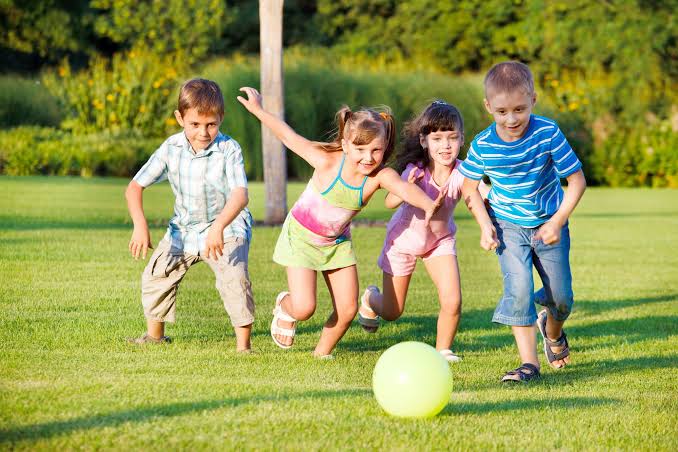
First, we have to figure out why some children prefer to be playing alone. Shyness is one reason and factor which could be traced back to fear of failure. Shy adults and children will avoid initiating an interaction as much as possible. Also, they have their own ways to be left alone such as staying quiet and avoiding looking at other children.

To help your child overcome that shyness and help him/her become more social, one way to accomplish that is by letting your child take part in your activities (e.g. meal preparation, asking him/her to hand you over something). This way, participation and interaction becomes second nature. This will carry on to his/her playtime because his/her mind is already conditioned that people should work and play together. There will be no friction and shyness because they know interaction and participation are the natural order of things.

Shyness and preferring to be isolated might also come from standing out. Your child might be wearing clothes totally different from other kids. Standing out also means separating from the crowd in this case. As a result, your child might avoid getting along with others. It’s also possible that other kids will stay away thereby reinforcing your child’s behaviour.

The key here is to build a sense of belonging and a positive culture of participation. Let your child be a part of your activities and let him/her belong in a group. This way, he/she immediately feels that it’s safe to let others inside his/her playtime area (and it’s all right to share the toys). This feeling of safety and comfort is crucial to getting along with others especially among kids.

Categories
Blog

Why Is It Important for a Child to be Independent?

You don’t want to see your child fail or get hurt. After all, your child has been heavily dependent on you and you’re aware how dangerous it can be if you just let your child do whatever he/she wants.

However, it’s inevitable that children will try to make their own choices and establish their independence. We can already witness that when they refuse to eat the meal we’ve prepared or they’re doing things opposite of what we told them to do. It’s their way of showing their independence but if we suppress that tendency (e.g. by over-parenting), they might grow to be dependent, get rebellious or unable to make their own choices.

Why is it important for a child to be independent?

It’s our duty as parents to make sure our children are safe and they have access to enough opportunities. In addition, it’s also our duty to raise them to become productive and independent. They won’t be able to possess those traits if we’re always micromanaging their actions and decisions. And yes, if we’re micromanaging, they won’t feel responsible for their actions and the consequences.

To prevent that scenario, it’s important for us to lead them into the right direction when it comes to being and feeling independent. After all, as they get older, they will spend less and less time with us and instead spend more and more time with peers and environments outside our homes. It’s important to start as early as possible which can also help them further build their self-esteem as they go to formal schooling.

To start, it helps to offer them choices as much as possible (e.g. when it comes to meals, snacks, shows to watch, books to read). This helps our children practise their decision-making skills. That practise is valuable in building their thinking faculties as they weigh options and visualise the potential consequences. In this way we also help them become accountable for their actions.

Another great way to start is to allow them to explore (with your guidance or from an early childhood educator). This active exploration is crucial in encouraging your child to interact with objects and the environment. This is real-world learning where all the senses of your child can get engaged. Active and guided exploration can also help your child get along and collaborate with other children to accomplish something.

Categories
Blog

What Causes a Child to be Shy?

Genetics, learned behaviour and fear of failure are just some of the common causes that make children shy and avoid interacting with others. Other potential causes are labelling (kids might live up to being labelled as shy), overparenting and overprotectiveness (parents might be making their children feel overly afraid in new situations) and bullying experience and harsh criticisms received early in their lives.

Shyness is not at all negative because shy children (and adults) may do well at school and avoid getting into trouble. However, shy children often have fewer friends and they might feel anxiety and loneliness much more often (i.e. they are always being left alone and overthink what might happen if they choose to step up). They might then bring this trait into their later years where shyness can limit their opportunities and even reject leadership, management and ownership roles.

The fear of failure

Almost everyone feels this fear one way or another. This fear of failure can be positive because we are forced to be vigilant and pay attention to every detail before moving forward. However, fear of failure can also paralyse us and prevent us from doing anything and taking advantage of an opportunity.

Shyness can be a cause and/or effect of that. Shy children often avoid “rocking the boat” and fear of failure can be a regular occurrence which could then become a permanent trait in the form of shyness. This can even become a vicious cycle because there were no risks taken and children are left wondering what could have happened. The fear was not overcome and for maintenance of safety, children might feel it’s better to keep things the way they are and avoid taking risks even if it seems promising or exciting.

Our role as parents

Most likely children won’t figure out for themselves how to overcome shyness. They’re still exploring the outside world and their early experiences are their only examples of how the world works. Their limited experience won’t help them much in coping with shyness and fear of failure (including what others might say about their words and actions).

To help them cope and overcome shyness, it’s important to start with small baby steps that could then snowball and build up. For example, urging your child to say ‘hello’ to other kids can do wonders in his/her brain. Your child will learn and realise early that taking the initiative can be good (or in most cases nothing significant will happen). You can also urge your child to ask something from a relative or friend so that your child will learn how to approach other people. The key here is practise and encouragement and most likely your child will take this same courage to other similar situations.

It’s also important to avoid labelling your child as shy because children tend to live up to labels and expectations. Also, your own expectations as a parent can reinforce your child’s behaviour as you might only notice the actions that signal shyness. Keep in mind that children are still in the phase of rapid learning and often, they just don’t know what to do in a new situation. But with your encouragement and support, he/she can overcome shyness and grow to be independent and confident in his/her school years and beyond.

Categories
Blog

Why Does My Child Do the Opposite of What I Say

Parents have a tough job of raising kids and making sure our sons and daughters get a bright future. However, there are just those times when our patience is put to the test.

Our kids mess the table, throw away the toys, repeatedly flick on and off the lights, shout at random times and other things that remind us how challenging it is to be a good parent. At times then we wonder why our kids do the exact opposite of what we say.

Why does my child do the opposite of what I say

There’s no clear and consistent explanation for this. Perhaps our kids are just naturally curious or they just want to get our attention. It’s also possible that it’s just all random like how we adults behave at home, workplace or in public. Although there are specific factors that explain most of our behaviour, the dynamic interaction among those factors make it appear like it’s all random and unpredictable.

This is a similar case with our kids because their natural tendencies, environment, the things they saw through the internet, their playmates, their parents’ behaviour, what they constantly hear from family and neighbours and other factors each plays a role in the final outcome. It is highly complex which is why by the time we gain a clue of what’s going on, our kids have already grown up.

But why is it exactly that our kids do the opposite of what we tell them to do? Well, it might also be good to drive our attention away from our children and instead pay attention to what we think and say. After all, our kids are still actively exploring and perhaps they just respond from our words and actions.

What do we think and say then? One thing is that maybe we are focusing too much on the things that went wrong. For example, 9 out of 10 the compliance was there. But of course, we only remember that single thing where our kids messed the table. It’s also possible that we think it’s unnatural (it’s not how things are supposed to be). Perhaps it’s time to step back and consider that our kids are now trying to establish their independence. Instead of telling them one thing, maybe it’s more helpful if we give them options so that they could practise being independent and making their own decisions.

It’s a great start right there. But remember, it requires ongoing work because we can never figure out exactly what’s going on inside our children’s heads. We can never catch up but good news is, we can always guide them and help them develop their potential.

Categories
Blog

Is My Child a Slow Learner?

Slow is a relative term because you have to compare something or someone to the “average.” Moreover, slow might just mean different because kids learn in different ways and at their own pace.

We parents are biased when it comes to the assessment of our children’s abilities. We find it hard to know if our kids are slow learners or gifted ones. Instead of relying on our experiences and expectations when looking at our kids, perhaps a better way is to talk with our children’s teachers and consult a speech therapist (if there are language and communication difficulties) or a psychologist. These professionals could step back and properly assess our children’s abilities and difficulties.

What can you do as a parent?

“Is my child a slow learner?” has always been a tough question to ask. But having a more accurate assessment would help us figure out what’s best for our children and how can we help them become successful despite their difficulties.

For example, a tailored teaching program can be prepared for our kids. This personalisation can have a better focus on their specific difficulty (e.g. trouble spelling common words, difficulty in expressing themselves, finding it hard to grasp instructions). This way they won’t fall behind and we even give them a chance to keep up or get ahead because of the tailored instruction.

Aside from an early assessment and a tailored teaching program, it also helps to adjust our expectations. We parents got older witnessing how a learning disability puts people far from success. Good thing is that there are people who became successful despite having a learning difficulty (e.g. Lindsay Fox, Jessica Watson). Also, times have been better now where it’s possible to even make a disability an advantage. For instance, people with dyslexia require a lot more time and focus to grasp concepts and understand what is being read. This then teaches them the value of discipline, hard work and persistence. In addition, people with dyslexia or other learning difficulty can better focus on other pursuits where their limitations won’t be a problem anymore (e.g. acting, arts, visual learning, public speaking).

The first step then is to determine if our kids indeed have a learning difficulty (consult the teacher, speech therapist or psychologist) so that we can take actions promptly. This way, we can immediately help our kids become successful and build their confidence as they go through formal schooling, career, business and beyond.