Categories
Blog

Physical Development in Early Childhood: How Does It Happen?

It’s the law of nature that growth and development happen only if there’s movement. Perhaps it’s in a macro, cellular or molecular level. Whichever is the case, if there’s no movement naturally there will be no growth.

It’s the same case with us humans. Our muscles waste away if we don’t use them. “Use it or lose it” as they say. If there’s no movement, no growth will happen. The result could even be worse because we might lose the thing that we don’t use often.

Physical development in early childhood

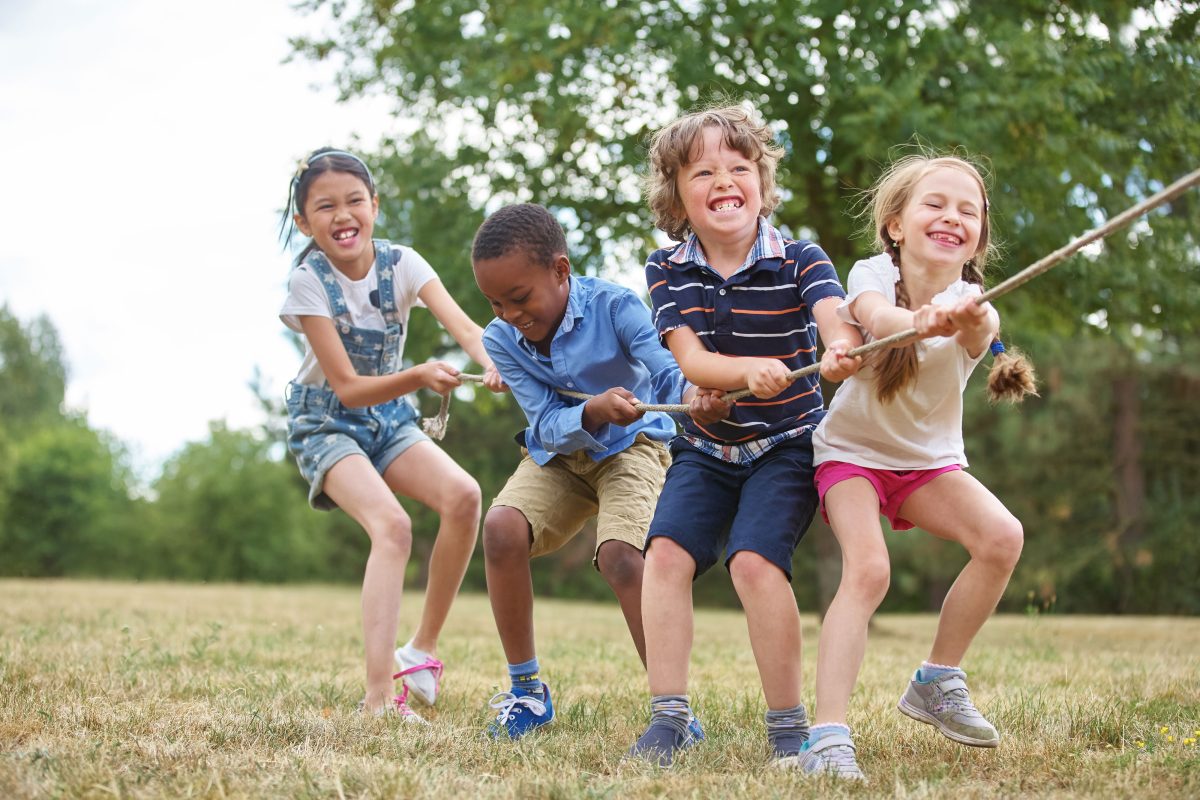
That principle is even more pronounced in the physical development of children. Their movements (or lack thereof) could have a huge impact on their physical growth and development. For example, lack of playtime could have a negative effect on the development of their bones and muscles. They might get weaker as supposed to. This could then carry over until their formal schooling and beyond.

That’s why many government agencies and academic research centres advocate for more physical activity and playtime for kids. Back then there was heavy focus on academics (literacy and numeracy). But recently, the tables have turned and many realised that playtime is a lot more important than anticipated.

About the child’s gross motor skills development

Aside from physical growth (e.g. development of bones and muscles), movements also contribute to children’s development of their gross motor skills (e.g. running, jumping). After all, these skills can only be gained through practice.

On the other hand, fine motor skills are mainly about movements that require detail (e.g. buttoning and unbuttoning). These can also only be learned through practice. For children, watching other people do something is only the first step. Kids should do it themselves and explore the texture and motions themselves.

Playtime provides lots of those opportunities to explore. Although academics still has its place, playtime also has a huge role in the child’s development. Kids will be able to use their bones, muscles and brain as well.

What can you do as a parent?

Interestingly, kids crave movement and they grab almost every opportunity to explore and play. It’s like they already know what they require so they can reach their full potential.

Our role then as parents is to support that tendency. We should provide more opportunities for our kids to play. Aside from aiding them in their physical growth, this also has a positive impact on their learning skills.

We share the same goal here at Star Academy Kids. Our educators guide and encourage kids to play and explore in a safe environment. In addition, we make the playtime sessions more engaging and more fun to all. This way, kids will also enjoy while also gaining the necessary foundations they need for the future.

Contact us today if you want to learn more about our facility and approach. You can also request for a visit so you can explore what we have to offer.
Categories
Blog

How Kids See the World? The Way to Better Understanding

Kids see the world differently than adults. Perhaps that’s because of their very limited experience. As they gain more experience and see more of the world, their views gradually or drastically change. It’s almost the same process for all of us when we enter the adult world.

One of the key things that define how kids see the world is about their curiosity and inquisitiveness. By the time they have some communication skills (especially because kids have rapid language acquisition skills), expect lots of questions coming from them. After all, they’re trying to make sense of the world and they want to know why things happen.

With the children’s curiosity and inquisitiveness, it could be really difficult to keep up with them. Their high energy levels also make it a challenge for parents to adapt. The first step then is recognising the differences so we can better cope as parents.

Playtime & active exploration

Promptly answering your child’s questions is not enough to satisfy their curiosity. To them, everything is new and there are lots of things in the environment that will surely pique their curiosity. After all, they’ve just been here in the world for a few years. They’re still in the phase of active exploration.

To support that, continuous encouragement should always be there. Another (and better approach) is to make an environment that makes active exploration the default behaviour. Many early learning centres have this kind of environment. With the guidance of educators, children can further pursue their curiosities.

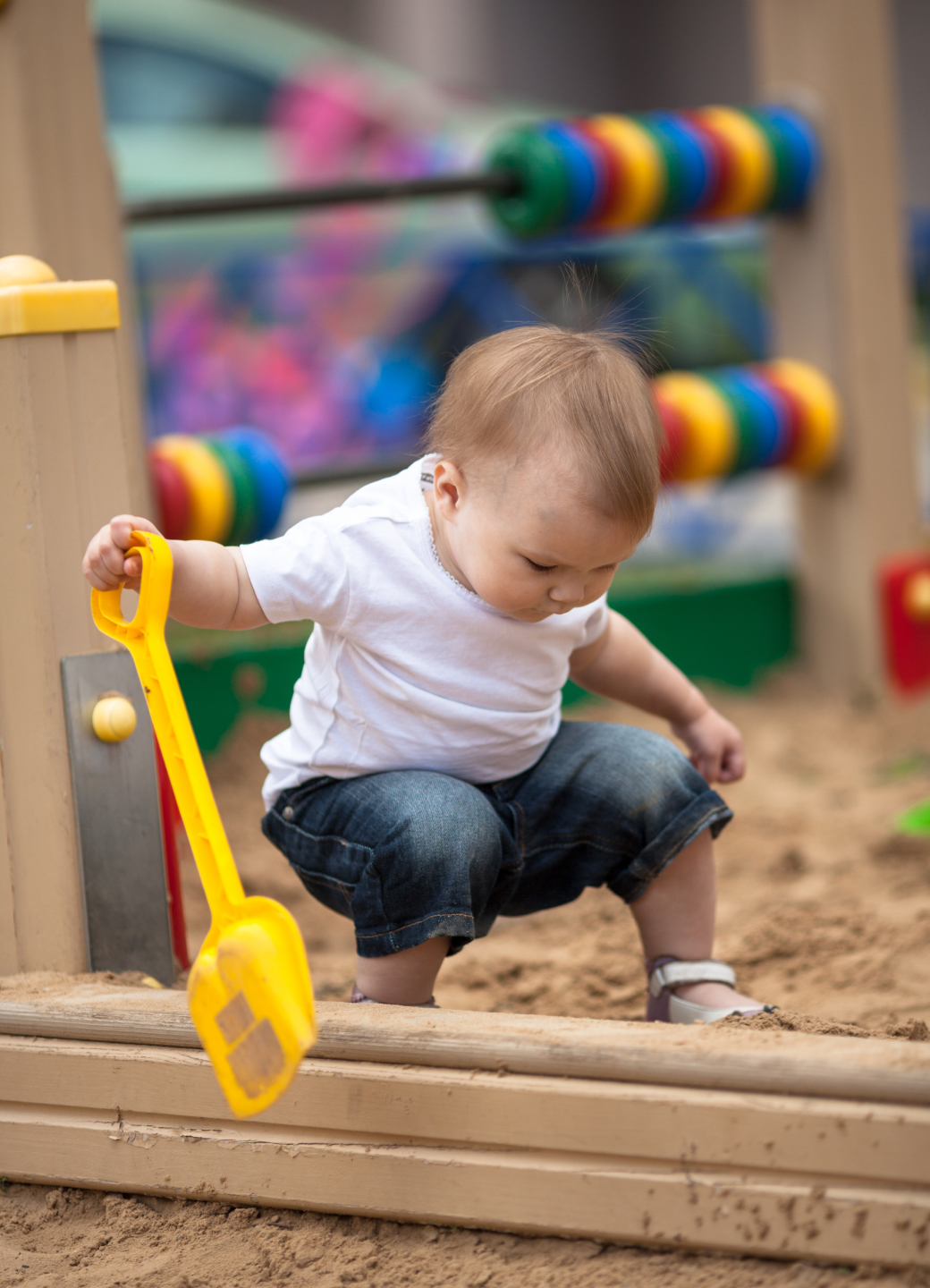
In addition, playtime should also be a priority. It’s through rich interaction with objects and environment that kids truly learn. Through play, they further learn cause and effect. What happens if they drop this toy? What does sand feel like? What happens if they stack three different objects?

How kids see the world?

Kids learn best through interaction and experience. Verbal explanation won’t be enough to make kids understand how and why things happen. It’s through play and exploration that they can effectively grasp the concepts.

In contrast, adults can still understand things through reading and visualisation. It’s a totally different case with kids because they don’t have enough experience to base their learning from. That’s why it’s our role then to help them learn through the most effective approaches available.

Here at Star Academy Kids, we have a supportive and safe environment that encourages kids to play and explore. With our educators’ guidance, children will be able to learn about the world through interaction and play. Contact us today if you want to learn more about our facility and approach.

Categories
Blog

Why Starting Strong Will Make Kids Get Ahead

Early childhood is when solid foundations are built in a person’s physical, emotional, mental and social development. In fact, what happens during early childhood may determine a person’s professional or business success.

For example, an excellent early childhood education can make a child’s transition to formal schooling smoother and much easier. The “Matthew effect” then comes into play. It’s about the accumulating advantages that may carry on even beyond schooling and career.

Why starting strong will make kids get ahead?

Increased economic participation will be one of the biggest effects. Kids who have gained a solid foundation will be equipped with the right skills to thrive in an evolving world. They could better contribute to a company’s goals and the society. This then leads to higher rewards that they can acquire over the long term.

Furthermore, people who started strong often have better physical health and overall well-being. They have economic advantages that can be used to get more out of life. Also, they can better enjoy the fruits of their labour because of better health.

Nutritional meals for optimal physical development

Kids grow fast and they require nutrients to support that growth. In addition, they also require huge amounts of energy to make them stay active especially during play and exploration.

Due to the high nutritional and energy requirements of kids, most of the foods they take (whether at home or learning centre) should be aligned with optimal physical development. This also greatly contributes to their cognitive development because their brains also required nutrients.

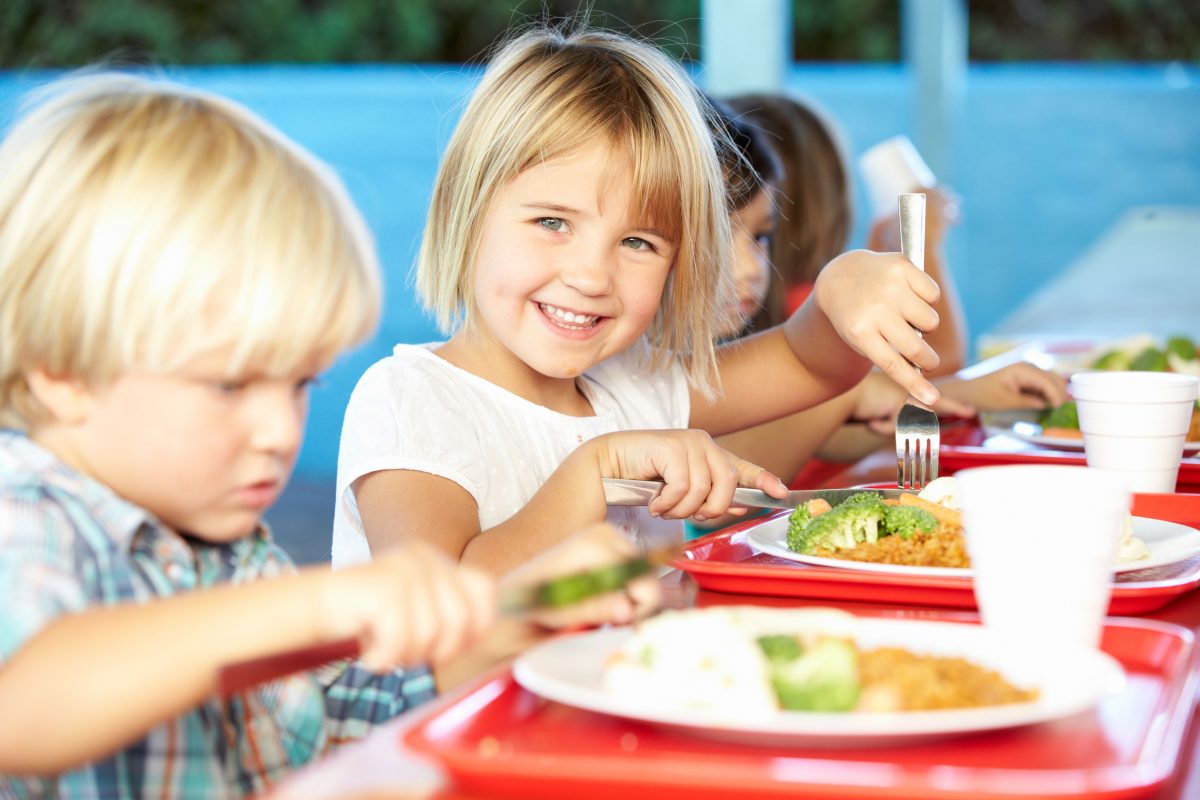
For instance, here at Star Academy Kids Early Learning Centre, we prepare seasonal menus that meet children’s high nutritional and energy requirements. Meals are freshly prepared by a qualified chef to make sure the foods are also appealing (to encourage consumption of nutritious meals).

This is also a huge part of “Starting Strong.” Kids can acquire stronger bones and muscles if they regularly eat nutritious meals during early childhood. They will also have more energy to learn, play and participate in the various activities at the early learning centre.

Start strong & accumulate advantages

Here at Star Academy Kids Early Learning Centre, we focus on helping kids build a strong foundation while also allowing them to enjoy their childhood. This is a great approach in encouraging learning and participation. In addition, integrating fun with learning can make pleasant’s associations in the child’s mind about the joy and rewards of learning.

Contact us today if you want to learn more about our program and approach. You can also request for a tour of our facility.

Categories
Blog

3 Practical Ways to Encourage Exploration Through Play

Kids are just starting to make sense of the world. To help them successfully accomplish that, it’s great to allow them to interact with adults, fellow kids and the environment. This way they can better learn how their actions affect the objects and their surroundings.

The best approach for this is through play. It’s a holistic approach wherein kids experience cognitive, physical, emotional and social development. They start to explore and make sense of the world, develop their bones and muscles, gain self-confidence and learn how to collaborate with fellow children.

Let’s discuss how to encourage collaboration and active exploration through the play-based approach:

1. Give some freedom (but with active guidance)

Play is most effective if there’s some level of freedom. This way, kids will develop their curiosity and gain the courage to follow through. As a result, they will do explorations and investigations on their own. When they encounter challenges along the way, they might then come up with their own solutions, thereby enhancing their creativity.

However, there should be guidance along the way and some encouragement from the parents and educators. This is to keep the children safe and introduce them to possibly new paths when they explore.

2. Devote non negotiable schedules for playtime

Academics (gaining literacy and numeracy skills) may take much of a child’s active time. There still should always be a time for academic learning. However, playtime is equally important to the child’s holistic development.

That’s why many early learning centres now place special emphasis on playtime. Aside from facilitating holistic development, playtime is a lot more enjoyable than traditional classroom learning. Children will then be better encouraged to explore and make sense of the things happening around them.

3. Make the environment safe, secure and challenging

To promote play interactions, the environment should be aligned with how kids can best access the toys, learning materials and areas for learning.

That’s why many early learning centres pay attention to furniture, lighting, selection and placement of resources & the overall aesthetics of their facilities. For instance, highlighting certain play materials can capture more attention from the kids. In addition, removing hindrances and allowing easy access to toys and learning resources will better encourage exploration.

Encourage exploration through play

Researchers have found out that playtime has a huge role in children’s overall development and later successes in life. After all, it’s the time when kids learn more about the world through active interaction with objects, people and the environment.

Here at Star Academy Kids Early Learning Centre, we prioritise the children’s development while allowing them to enjoy their childhood. Fun plus learning is the best combination to preparing kids for formal schooling and the real world.

Contact us today if you want to learn more about our approach and facilities. You can also book a tour so you’ll know if our facility is right for your child.

Categories
Blog

What’s the Role of Nutrition in Early Childhood?

Proper nutrition in early childhood largely contributes to the child’s ability to reach his or her full physical and mental potential. In contrast, poor food choices may slow down the child’s development and even affect his or her long-term success and performance.

The effects actually get magnified during early childhood. That’s because kids are developing at a rapid rate and they need the nutrients to sustain that growth. Lack of nutrients will get in the way. Aside from affecting the child’s long-term future, lack of nutrients will also affect the child’s everyday experience at home or school.

How to ensure proper nutrition

Variety is the key to proper nutrition because after all, nutrients come from a wide variety of food sources. This is also a good way of achieving a balance between meeting daily energy requirements (enough amounts of carbohydrates) and sustaining growth (protein and nutrients from fruits and vegetables).

Proper nutrition during early childhood (whether at home or school) will also contribute to early adoption of healthy eating habits. For instance, if the learning centre encourages drinking of water instead of flavoured beverages, kids may carry that habit later into their adolescent and adult years.

Aside from acquiring the essential nutrients, variety also contributes to making the foods more appetising to children. Variations in flavours, colours and textures will continually interest children.

Allergies, special dietary and cultural requirements

The early learning centre should be able to prepare alternative meals. This is to align with the children’s special requirements while still meeting their nutritional needs. Parents should be able to view the menus. It’s also recommended that parents are regularly updated about what foods are being prepared at the early learning centre.

The huge role of nutrition in early childhood requires detail and deliberation. It’s recommended to pay equal attention to what your child eats whether at home or at the early learning centre. This way, you further ensure that your child undergoes optimal physical and mental development through proper nutrition.

Contact us here today at Star Academy Kids Early Learning Centre if you want to know more about the nutritional meals we prepare for learners. You can also ask us about our educational program for students.

Categories
Blog

Is My Child Ready for Preschool?

There’s no rush because after all, your child will be at school for a very long time. You also want your child to flourish during his or her school time. This will make your kid enjoy and get the most out of preschool.

So how do you know if it’s the right time? And how can you best prepare your child for an environment outside your home? Let’s discuss the answers to those questions.

How to know if your child is ready?

It’s mainly about if your child can cope socially and emotionally. Notice academics (e.g. ability and excellence in reading and writing) are not mentioned there. That’s because these will be taught during school time.

Why place more emphasis on the social and emotional aspect? First, your child will meet new people and possibly be encouraged to collaborate with peers during class sessions and playtime. Through the years, children form strong attachments with parents and other family members. Kids may experience anxiety or even prefer isolation when it’s school time.

Is your child already comfortable in social settings? Does he or she play often with fellow kids? These are clear signs of social and emotional maturity. Age could be a factor because kids develop in varying paces. What’s important is your child will be ready to flourish and excel.

How to prepare your child?

Take your child and visit the preschool. It’s the best way to set clear expectations and give ideas to your child how awesome preschool will be. As you and your child tour the facility, it’s good to allow the teacher to explain the schedule, playtime and other routines.

Children are always actively exploring the places and things around them. But a sudden introduction and immersion to a totally different environment could be overwhelming. Take it slow by visiting the learning centre. By the time the first preschool day arrives, your child will be more ready.

Preparing your child for formal schooling and life

Is my child ready for preschool? Many parents ask that question because they think both about the present and the long term. They’re now aware of the huge impact of early childhood and preschool to a person’s long-term success.

Here at Star Academy Kids, our goal is to help prepare children for the long term while still giving them an enjoyable experience every day. Our educators guide them in their exploration and make playtime engaging for all.

Contact us today and you can request for a tour of our facility. You can also send us enquiries about our educational program.

Categories
Blog

Why are Social Skills Important in Early Childhood?

Why are social skills important in early childhood? First, development of social skills allows kids to develop their communication and language abilities. Second, social skills also enable kids to get along with others and understand other viewpoints and perspectives.

How social skills are developed?

Social skills are best developed through constant practice. Rich social interactions allow children to:

  • Reach out for words and better express themselves
  • Express their emotions and tell stories to their parents
  • Learn cooperation through effective communication

As a result, children would then be better adapted to formal schooling and their future professional lives. That’s because these environments often require teamwork and tight collaboration to get things done.

To better prepare your child for these environments, devote a time daily for one-on-one communication. Allow your child to express him/herself. Many parents ask their child to describe the things they see and touch. Many parents also ask their kids what happened at the early learning centre (this helps children develop their storytelling skills).

Play-based learning (as stated in the Early Years Learning Framework) also supports the development of social skills. That’s because kids will be getting along and trying to achieve a common goal. Often, this accomplishment requires communication and cooperation.

Playtime also requires interaction with peers and complex environments. This is a huge opportunity for kids to learn and expand their comfort zone. In addition, this could be more fun as opposed to pure classroom settings.

How play and fun supports learning

Kids will be better encouraged to learn because they’re enjoying their time. Active exploration can only occur if toddlers and preschool kids feel safe and experience fun in the process.

For example, here at Star Academy Kids we allow children to explore and investigate (with the guidance of our qualified educators). As a result, kids discover more and better make friends with fellow children.

Why are social skills important in early childhood

The early years are crucial periods for children to build a strong foundation. Aside from preparing them for formal schooling, good social skills will also help them better navigate the complex world.

Contact us today here at Star Academy Kids if you want your child to adapt well (and at the same time make your child get the most out the learning experience). We have locations at Liverpool, Belfield, Canterbury and Campsie.

Categories
Blog

How Toddlers Develop and Learn

How toddlers develop and learn? Children best learn by constant interaction and active exploration. After all, they’re still trying to make sense of the world. They could only accomplish that if you allow them to explore and investigate.

This is what happens at Star Academy Kids wherein toddlers are allowed to explore and investigate (with the professional guidance of our qualified instructors). This way, kids can explore the possibilities while remaining safe in a nurturing environment.

Why play is crucial to toddler development?

As mentioned above, interaction and exploration are means for toddlers to learn and develop. This could be best accomplished by play because of the following reasons:

  • Child can learn how does it feel to touch sand, water and objects
  • Child observes how his/her movement affects the objects (e.g. flow of water)
  • Development of hand-eye coordination (e.g. lifting the objects and letting them fall down)
  • Allow kids to socialise more (play with other children)
  • Further develop the child’s senses (e.g. Are the pebbles rough? What sound does a drum toy make?)

In other words, play has a crucial role in the child’s intellectual, physical, emotional and social development. Academics still has importance for the child to get ahead and prepare for schooling. However, it’s about the child’s full development. It’s possible (and far more effective) to allow children have enough time to play.

What parents can do?

First, one-on-one communication is vital to building a strong relationship with your child. In addition, this also plays a huge role in further developing your child’s communication skills.

Toddlers still struggle to express themselves through words. That’s why you as the parent should devote enough time on talking with your child. The key here is practice. Your child will be comfortable and better encouraged to talk with you. This allows your child then to better practice his/her communication skills.

How toddlers develop and learn

Whether at home or at the early learning centre, toddlers need full support and encouragement because these are crucial to their fast development. At home the parents should devote enough time for talk (develop child’s communication and expressive skills). At the early learning centre, toddlers should be allowed to explore and investigate (with the guidance of qualified teachers).

Here at Star Academy Kids, we prioritise the child’s development because we nurture a friendly and supportive environment. Our program is closely aligned with the Early Years Learning Framework.

Call us today at 1300 064 430 if you want to learn more about our approach and facilities. We have locations at Liverpool, Belfield, Canterbury and Campsie.

Categories
Blog

How Does a Child Learn Through Play

How does a child learn through play? During playtime kids interact with objects, environment and fellow children. This is actually the best time for them to make sense of the world, solve problems and get along with others (aside from enjoyment).

That’s why play is crucial to the healthy growth and development of children. In addition, playtime is important for:

  • Building self worth (provide kids with a sense of themselves)
  • Gaining the ability to concentrate (especially if playtime is so much fun)
  • Learning the state of things they see around (water is fluid, sand is different)
  • Developing their muscular strength and flexibility (especially when kids run around and climb)
  • Learning how to take turns and share toys with other children
  • Developing creativity (how to solve a problem and come up with interesting solutions)

Strong emphasis on emotional and social skills

Academics still has its role on preparing children for formal schooling. However, equal emphasis is also being placed now on emotional and social skills. According to studies, these skills may even play a greater role in determining a person’s success in his or her later years.

That’s why learning centres now adopt programmes that emphasise social and emotional skills. In addition, passionate educators provide guidance while allowing kids to still explore the surroundings. This guidance is crucial not only in safety but also in encouragement.

How does a child learn through play

As a result, young children now can have more fun (and hence more time devoted to playing) while building the necessary skills for formal schooling and later years. It’s especially the case with a supportive environment wherein kids are encouraged to explore and play.

Moreover, it’s also recommended that kids become aware early on about the natural environment and sustainable practices. This is valuable in guiding them to become environment-conscious individuals. A generation of kids who have this trait can truly change the future.

That’s why here at Star Academy Kids, we place emphasis on the following:

  • Emotional development
  • Social skills
  • Playtime for learning and enjoyment
  • Awareness on sustainable practices

We have a team of passionate educators and supportive environment wherein children learn and have fun. Contact us today and book a tour. Witness how our students experience full enjoyment while learning.

Categories
Blog

3 Benefits of Healthy Eating in Early Childhood

Benefits of healthy eating in early childhood include optimal brain development, physical growth and early adoption of healthy eating habits. These are important in preparing children for formal schooling and adult years.

Kids might be always craving for sweets because they need the carbohydrates for energy. However, children also need other nutrients to support their fast growth and development. Whether at home or at an early learning centre, the foods children eat should always be packed with nutrients.

Possible consequences of an unhealthy diet for a child

The key here is that habits adopted early on tend to stick for the rest our lives. It’s especially true when it comes to our diet. Our early habits will then accumulate positive or negative results through the years.

For example, poor diet may lead to diabetes and cardiovascular diseases to children when they grow up (signs may show even as early as on their 30s). The cumulative effects will then be almost impossible to reverse.

In contrast, a healthy diet early on is likely to stick for the rest of their lives. They would be comfortable eating healthy foods even when they get really hungry. They won’t crave much for sweets even during trying times.

Role of early learning centres in healthy eating

Kids spend a significant amount of time each day in early learning centres. As a result, they would eat 1 or 2 meals (and a few snacks in between) each day. Those meals and snacks should be packed with nutrients (aside from being delicious). This way, they would get the most out of their everyday learning experience. They gain the foundational skills while getting the necessary nutrients for optimal growth and development.

Benefits of healthy eating in early childhood

That’s why here at Star Academy Kids, we prioritise the following when it comes to menu planning:

  • Optimal brain development
  • Optimal physical growth
  • Early adoption of healthy eating habits (and also build awareness on the value of nutritious foods)

A qualified chef is preparing all the meals to ensure great taste so kids will be further encouraged to consume the nutritious foods. In addition, we customise our seasonal menus according to the children’s diet restrictions and nutrient requirements.

Contact us today here at Star Academy Kids if you want to learn more about our nutritional approach. You can view the menus we designed and ask questions about our overall programme.