Categories
Blog

Does My Child Have a Language Delay?

Is your child having difficulty in speaking and understanding unusual for his/her age? For most parents this is alarming because the cause might be something serious (e.g. hearing impairment, brain disorder).

Whether your child is struggling to say his/her first words or learning words, putting together words to form sentences, building his/her initial vocabulary or understanding words or sentences, it’s good to know when to take it seriously and get some help.

Language developmental milestones

But first, it’s good to understand that kids learn language at different rates. Some undergo a delay, an early jumpstart or a normal pace. Also, young boys are more likely to have a language delay (plus genetic factors and ear infections).

It can be alarming though when kids miss the language development milestones by a long way. After all, language development among kids is a critical part of their overall mental, social and emotional development (including problem-solving, communicating and expressing their own feelings).

By 12 months, kids often try to communicate using sounds, words and gestures. They’re starting to bridge what they want and how to get it in a more mature way. By two years, many kids are able to say about 50 different words and put two words together. Many two-year old kids are also expected to understand simple questions and instructions. Although some are considered “late talkers”, most of them will catch up later.

About three years old, many kids are able to form longer phrases and sentences (and yes prepare yourself because kids will start asking tons of questions). They’re also able to understand the meanings of sentences and stories. About four or five years old, they’re now able to make and sustain short conversations.

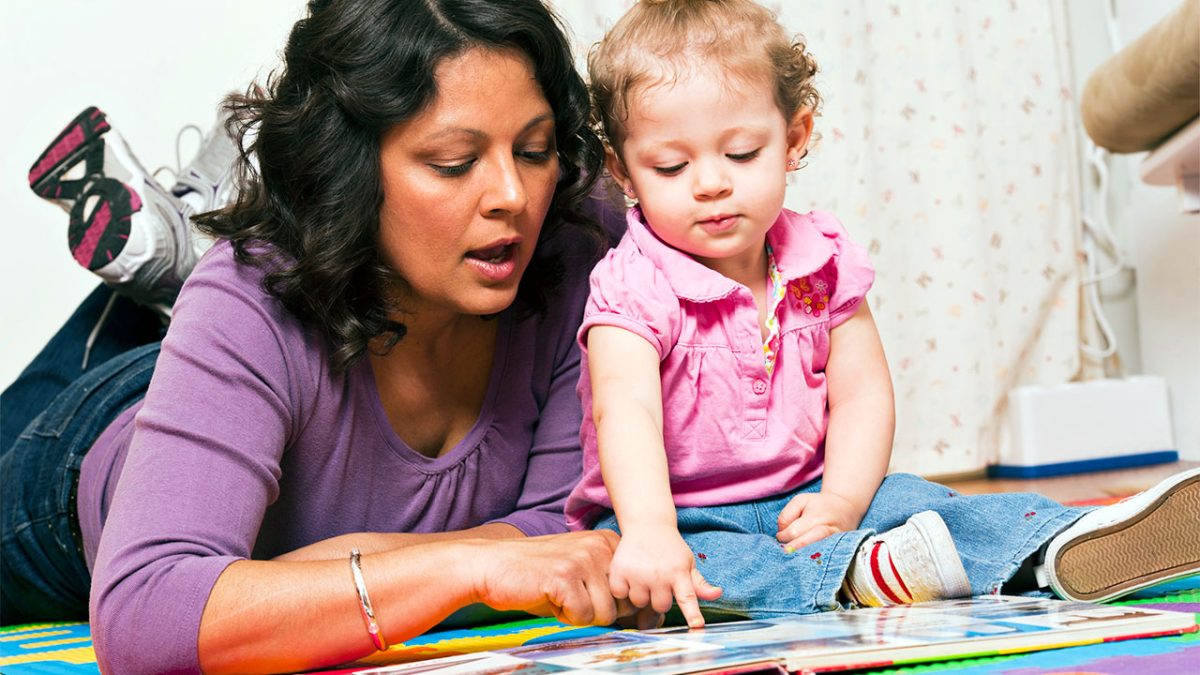
Does my child have a language delay and when to get help?

If your child is missing those milestones by a long way and it’s alarming, it’s time to get professional help. You can consult a teacher/educator in the early learning centre, an audiologist (for hearing impairment), speech pathologist (problem understanding and using language), paediatrician, a child and family health nurse or a psychologist. This way you can know the problem early on and minimise its effects to your child.
Categories
Blog

The Role of Relationships and Environment in Child Development

Millions of neural connections form during a child’s first five years of life. This is the period when the rate of brain development is at its fastest. As a result, the first five years of a person’s life has a huge role in his/her learning and success.

As parents, how do we optimise that brain development and help our kids best positioned for success? Most likely you’ve already read or heard countless tips about properly raising a child. The information can be overwhelming and sometimes contradictory. How do we know where to focus and is there a useful framework so we can be sure we’re doing it right?

Role of relationships and environment in child development

To avoid overwhelm and make sure we’re doing it right, it’s good to focus on two important things. First, it’s about the relationships (whether at home, outside or learning centre). Second is about making sure our kids are in the right and optimal environment.

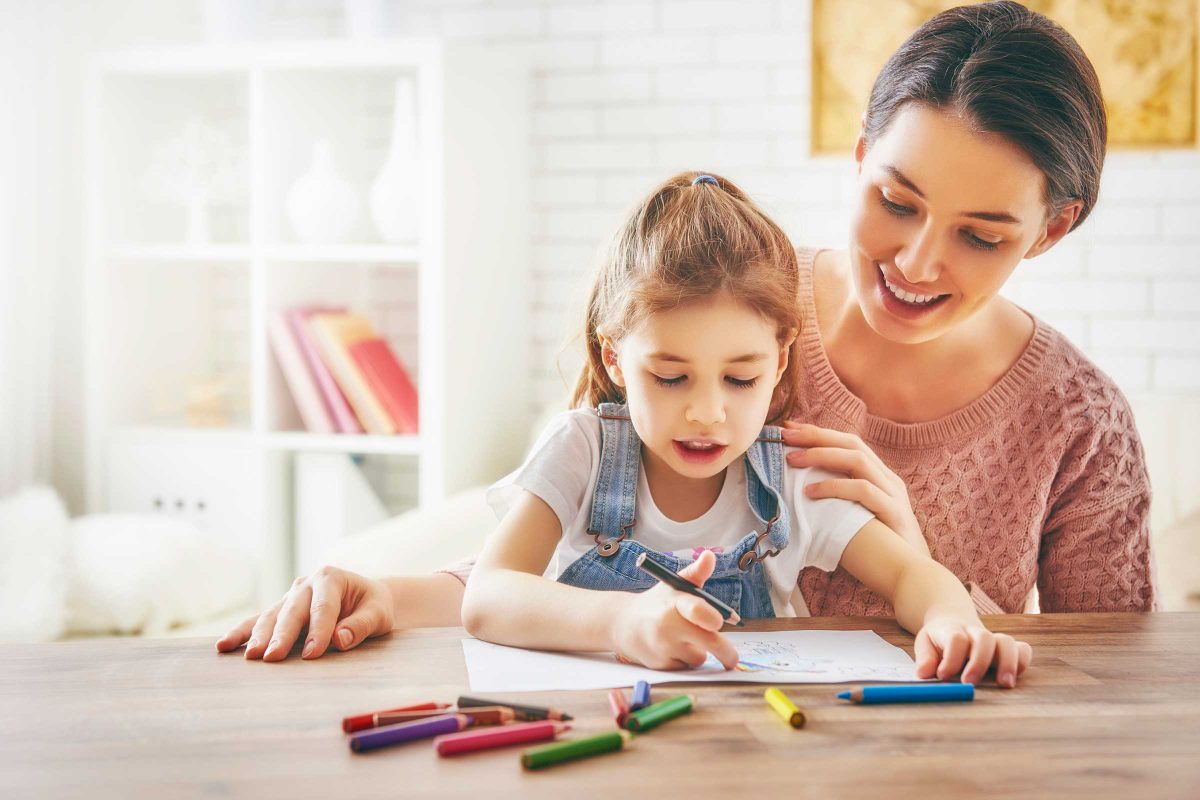
Why are relationships important? Notice that during the kids’ early years they require constant supervision, care and companionship. This means they’ll be with other people (you included) most of the time. As a result, the child’s brain development is being heavily influenced by how people interact with the child and how people interact with one another as well. Also, the earliest experiences and examples can have a huge impact on how the child sees the world and what to expect from it.

It’s always good to make your child feel loved and cared for. This can be in the form of always reminding him/her that the world is a safe and secure place. They need the stability in this very noisy and unpredictable world outside of the womb.

What about the role of the environment? The environment consists of both people and objects. The neighbourhood and local community influence how kids develop mentally, socially and even physically (presence of local parks and playgrounds). Also, the environment should support exploration and good behaviour in the first place. After all, an orderly environment inspires orderly behaviour as well.

Although we don’t have full control of our neighbourhood and local community, we can still take huge steps by making sure our homes inspire good behaviour and optimal development. We can also choose the right environment by carefully selecting the early learning centre where our kids will be staying and forming the foundations of their learning.

Many parents choose us here at Star Academy Kids Early Learning Centre because of our excellent environment and facilities. Here we help kids develop a strong sense of Belonging, Being and Becoming by providing a warm, friendly and safe environment that encourage play, fun and exploration. Contact us today if you want to learn more about our approach.

Categories
Blog

Is Your Toddler Not Eating? Here are a Few Ideas and Tips

Do you often worry because your toddler is not eating enough healthy food? Many other parents share the same worries especially because they’re also concerned about their children’s health and overall wellbeing.

It’s vital that kids get enough nutrients to support their physical and cognitive development (as well as get enough energy for learning and playtime). However, that’s impossible if they don’t eat enough amounts whether they’re fussy about what to eat, they refuse to eat at all or if in case they eat they just consume tiny amounts.

The first thing to do

First, it’s just natural for your child to act that way. Toddlers still have very small stomachs and there are huge fluctuations in their activities and appetites. Also, distractions are plenty and often they’re more interested in other things than what’s the food in front of them.

It’s also possible that your child is starting to show his/her independence. Toddlers at one point or another will show how independent they are. They want to have options and show some control over what they eat and do (e.g. they start to get fussy about what to eat).

After you understand that this is just a natural phase, the next thing to do is to make sure that what you prepare or serve is always healthy. Even if your child doesn’t eat much today, it won’t have much effect because you ensure that what he/she eats is always healthy. Also, it’s very likely that in the course of a normal week, he/she will consume reasonable amounts in total. For instance, he/she might eat less today and then eat more for the succeeding days.

How to ensure consistency and healthy eating

But as a parent, it’s not enough to understand that this is just a natural phase (and one way or another your child will still eat). From time to time you’ll worry because you know how important healthy eating is to your child’s optimal physical and brain development.

How do you ensure consistency then? How can you help ensure that your child is still getting everything he/she needs to support his/her growth and energy requirements?

Aside from always preparing healthy meals and snacks for your child, it also helps to ensure that eating is always a positive experience. You can accomplish this by sitting and eating with your toddler as much as possible. Make mealtimes a regular and happy social occasion that your child can always look forward to.

Another way to ensure that your child is getting the nutrients he/she requires is to check what meals and snacks are being prepared and served at the early learning centre. For example here at Star Academy Kids Early Learning Centre we have developed menus in accordance with the Munch & Move Program (an NSW Health initiative that supports the healthy development of children birth to 5 years by promoting physical activity, healthy eating and reduced small screen time).

Contact us today if you want to learn more about our healthy nutritional meals (and alternative meals we prepare for kids who have allergies and special dietary and cultural requirements).

Categories
Blog

How Can You Help Nurture Your Child’s Creativity?

Creativity comes from the root word “create” which can mean building or thinking of something that doesn’t yet exist or applying ideas or putting together things to come up with a new result.

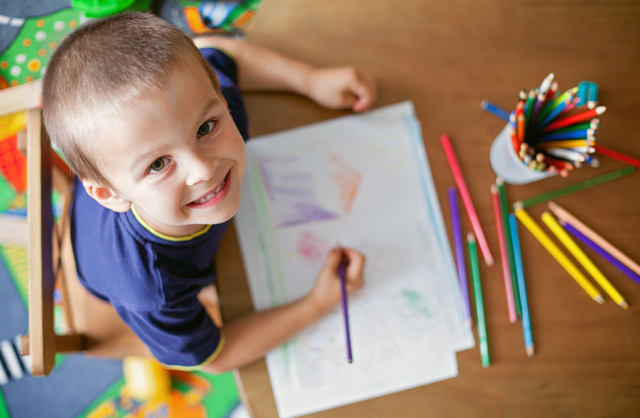
Although we as parents are used to the definition of creativity as producing something remarkable (more about the outcome), for kids the focus is on the process itself (the process of creating). After all, kids are just starting to learn and explore how objects and surroundings work.

Supporting the process of creating

Nurturing children’s creativity is now being seen as equally important as their academic skills. There has been a massive shift in our approach to education these recent years. Professionals and parents now recognise the importance of holistic development and paying equal attention to the child’s playtime and process of creating.

As a result, early learning centres emphasise the importance and role of enough playtime for kids. It’s not all about sitting in a class and gaining literacy and numeracy, but also about interacting with objects and the surroundings (facilitating rich interaction). Modern early learning centres dedicate enough time for children to play and explore.

It doesn’t stop there because children still spend most of their time at home. As a parent, what can you do then to help nurture your child’s creativity?

First thing to do is to emulate the approach of early learning centres, which is to give enough time for kids to explore and play. It’s important that toddlers have as much time as they need for creative activities. After all, creativity doesn’t just come if you force it to. It needs enough time to manifest in the first place.

Your child might require an entire Saturday morning (often moving from one activity to another). Sometimes five minutes might be already enough and he/she will grow tired already. This depends on his/her mood, energy levels and other factors.

How can you help nurture your child’s creativity?

You might be thinking that you have to buy new toys and other play materials every now and then. Good news is you can start with what you have and even use common everyday objects. Here are some examples:

  • Large cardboard box that you can make as a home-made doll’s house (cut out some windows and doors to make it look like one and then let your child draw on it or put some decors)
  • Autumn fallen leaves (your child can use them to form patterns by pasting them on paper)
  • Empty toilet rolls (allow your child to draw on them) and use them as characters when telling stories

The key here is to allow your child exercise and develop his/her creativity by giving him/her enough time and objects to play with.

It’s our approach here at Star Academy Kids Early Learning Centre wherein we give enough time and objects (plus a supportive environment) for children to play with. You can contact us today if you require more information about our approach and facilities.

Categories
Blog

Messy Eating and Playing with Food? Is This Normal in Kids?

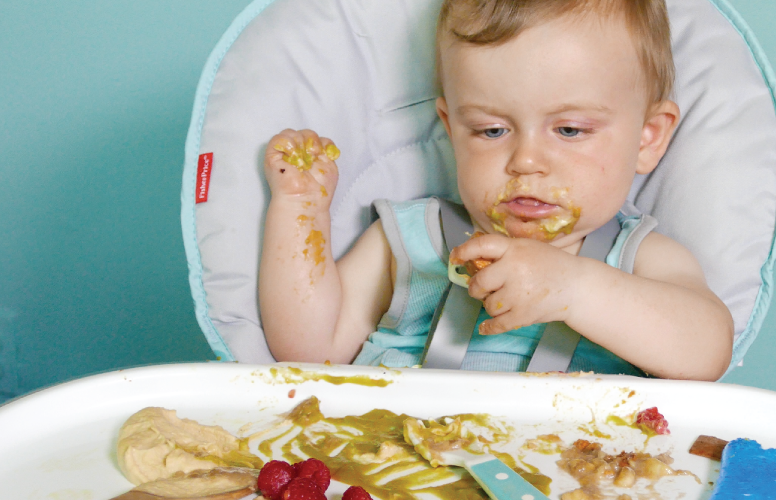
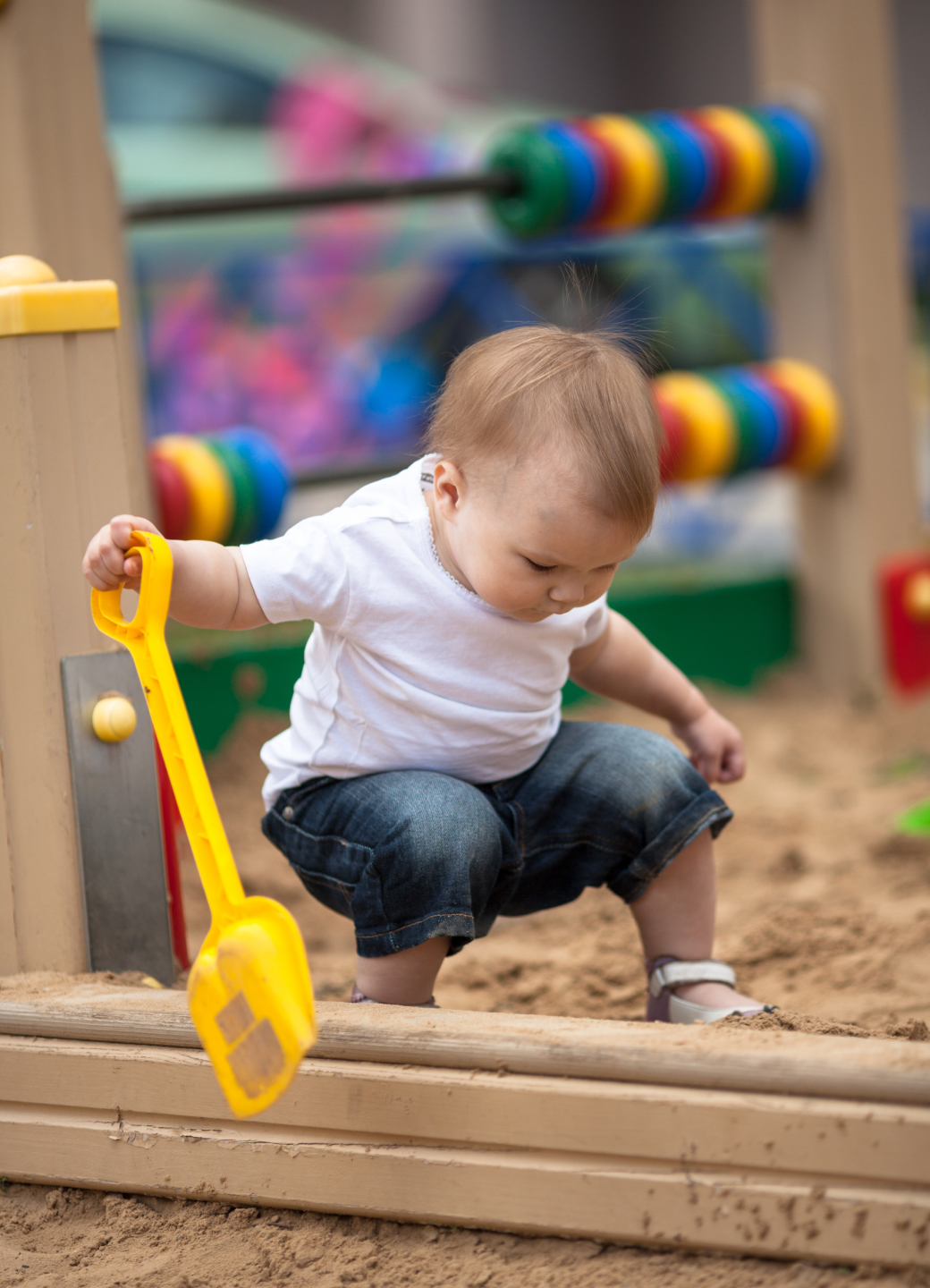
Messy eating and playing with food is just natural among kids (especially children ages 1 to 4 years old). Some parents may actually run out of patience from time to time because of this messy behaviour.

However, this is just your child’s way of exploration (e.g. what happens when you drop, smash or throw food?). In addition, young kids are still clumsy and they can’t yet hold many things properly. As a result, they often directly use their hands and fingers to eat (instead of the spoon, fork and plate). With this approach expect the mess here and there.

Mess and mistakes are crucial to learning

Keep in mind that almost everything is still new to toddlers. Whenever they see a new type of fruit or food, they want to know its texture and how it will react to touch. They’re still not aware of what would happen if they do this or that (e.g. smashing a banana, squishing peas) and they don’t know if it’s good or bad. Perhaps they think it’s all right for them to play with food using their hands and fingers and wait for things to unfold (and often leaving the mess behind).

This mess creation is actually crucial to their learning process. After all, learning is best accomplished by doing (especially to kids where explanation won’t suffice). They feel the need to know what happens when they do something and how objects and the surroundings will react and change based on their actions. In other words, it’s about gaining real-world experience and this can only be accomplished through rich and regular interaction with objects and the immediate environment.

How to deal with messy eating

But there are times still when it can be really stressful (aside from seeing the big mess on the chair, table and on your child’s clothes). How can then you cut down on mealtime mess and make it less stressful?

One effective way to help with that is to lead by example (kids often mirror what they see). After all, they’re just starting from scratch and they really don’t know how to eat. Another effective way is by letting your child take part in setting up the table (he/she would have less tendency to ruin what he/she worked for).

Most importantly, stay calm and patient even when there’s a big mess. Keep in mind that your response has a huge influence on your child’s long-term behaviour. It’s recommended that you show you’re still in control (by keeping yourself calm) and yes, show that you’re enjoying your time together with your child. Mealtimes don’t have to be stressful. Those times can actually be a great fun experience both for you and your active toddler.

Categories
Blog

How to Emotionally Connect With Your Toddler

It seems connecting with a toddler is impossible (and even if it’s your second or third child already). It’s like your child has his or her own world and he/she doesn’t let anyone in it.

However, realise that the child is actually waiting for you. Toddlers actually want to communicate with their parents but they don’t know yet how to express themselves. Also, they still lack the capability to handle their frustration and strong emotions.

How to emotionally connect with your toddler

It’s good to understand that toddlers may have an entirely different perception of the world than yours. Everything’s new to them and they’re still in the phase of active exploration. Everything can be overwhelming but they can’t reach out and find the right words to express what they’re feeling.

Because they can’t find the right words (and they’re still figuring out how to express themselves), toddlers often experiment and wait for the responses they get. As a result, your response to your child’s tantrum, frustration and other emotions can greatly influence your toddler’s present and future behaviour. Keep in mind that your child is still learning and his/her early experiences have a powerful influence in his/her long-term attitude.

For example, it’s recommended that you level with your child (eye-level communication, kneeling or squatting so you’re at your child’s height level). This way, your child can feel that you’re connecting with him/her in equal terms. In contrast, “talking down” to him/her might make your child feel that you’re scolding him/her.

It’s also recommended that you always respond in a calm manner (showing you’re in control). Responding in this way also helps in calming your child (kids often mirror other people’s motions and emotions).

Supporting your toddler’s need for independence

From age 1 to 3 ½ years old, children often start to show their independence and they want to feel in control. They want independence but at the same time they don’t like being away from their parents (it’s contradicting, isn’t it?).

The key here is guidance and encouragement. You will allow your child to make “safe mistakes” while still keeping a close eye on him or her. This is a great way to encourage his/her learning while ensuring your child’s safety. Another way to encourage your child’s independence is by providing him/her with options (so your child can feel in control). For instance, instead of giving your child a banana, allow him/her to choose between a banana and an apple.

This guidance and encouragement can help you better connect with your toddler. This is vital to your child’s development and learning experience not just at home but also in other environments (e.g. early childhood learning centre). For example, that is what we do here at Star Academy Kids Early Learning Centre because we encourage kids to learn, play and explore. This way, toddlers can practise their independence in a safe environment while our educators provide the needed guidance and encouragement.

Categories
Blog

How to Help Build Your Child’s Self Confidence

Self-confidence is important not just in navigating social situations (facing other people) but also in learning new concepts and exploring new worlds. After all, if children don’t have a shred of self-confidence, they won’t venture out or try new things. They won’t also be able to interact successfully with peers and collaborate on common goals and projects.

Aside from intellectual capacity, positive emotions and confidence are equally important in preparing your child for formal schooling and beyond. To help you accomplish that, here are a few strategies for raising a confident child:

Buy the best clothes and prioritise hygiene

Often, most advice articles focus on changing the mindset (mind over matter) and psychological shifts. However, still the best place to start is with the physical aspect. Right now you can do something about it and create more meaningful and longer-lasting changes.

For example, if your child wears nice and comfortable clothes, he/she can better focus on playing with other kids (instead of worrying about how he/she looks like). Also, an excellent hygiene indeed attracts other people (it’s true to both kids and adults). This is also a great way of preventing teasing and bullying because there’s one fewer reason for the child to get teased.

Before he/she goes to school, make sure your child looks and smells fresh. This way your child will feel more confident and this will help him/her to better focus on studies, play or making new friends.

Let your child decide

Another confidence-booster is making decisions. It’s really hard to feel confident (or even fake it) if you don’t have any control about the situation. This similarly applies to kids especially to toddlers who are starting to show and assert their independence.

Not a long time ago your child might be accepting most things as they are and whatever is on the table. But lately you’ve noticed that he/she starts to make choices and say yes or no. That’s healthy progress because it’s also a great time to further build his/her confidence.

Whether in foods, games or toys, allow your child to choose so he/she can still feel in control. And when you encourage each decision (and your child made a right choice), you naturally boost your child’s self-confidence.

Encourage curiosity and exploration

Independence and confidence often go hand in hand. If you can decide and do things on your own, you will naturally radiate confidence and other people will sense that and count on you. It applies similarly to kids. If you give them some freedom on how they play and explore, you can also boost their confidence and make their own decisions without constantly consulting you.

This is a crucial aspect on how to help build your child’s confidence. There should be less and less reliance of you as they spend more and more time with other people and environments. It’s an inevitable process but you can make your child a more confident kid by following the above mentioned strategies.

That’s also one of our priorities here at Star Academy Kids Early Learning Centre. We encourage kids to explore and play. With guidance from our qualified educators, the learning process will still be structured while your child still gains some freedom on how he/she solves problems, interact with fellow kids and explore the surroundings. Contact us today if you think this approach is best for your child.

Categories
Blog

How to Get My Toddler to Eat Healthy

At age 1 to 3 years old, young kids are starting to show their independence especially in what foods to eat. As a result, it becomes more challenging to encourage them to eat healthy foods. As parents, we have the responsibility to ensure a healthy diet for our children’s full physical and cognitive development.

A healthy diet is crucial to support a child’s growth, physical activity and development. The nutrients are essential for muscles and bones to develop. On the other hand, sufficient amounts of carbohydrates are also important so children can remain physically active and ready to explore.

How to get my toddler to eat healthy

Because of the importance of healthy diet especially among toddlers, one way to accomplish this is by providing your child options. Let your child decide about what he/she should eat. This way your child can still show his/her independence and participate in the decision making process.

For instance, you can ask your child if what he/she wants are peaches or mangoes (or peas or carrots). Notice that both options are healthy but still your child still has a say on what to eat. You encourage your child to practice his/her independence while ensuring he/she gets the nutrients he/she needs.

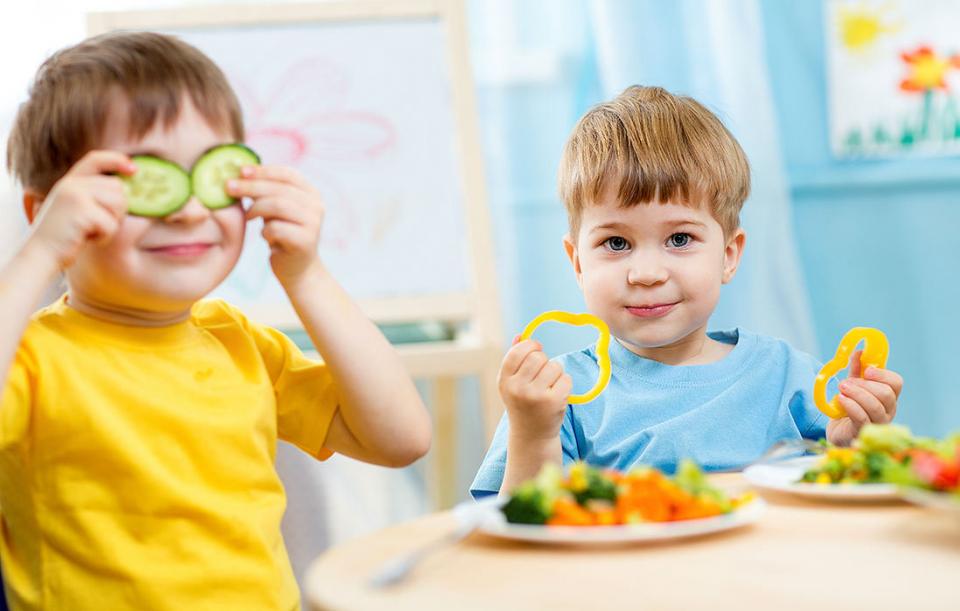
To take it a step further, let your child take part in the food preparation. Let him/her do the simple tasks such as putting the vegetable toppings on a pizza. You can also let him/her arrange the fruits and vegetables on the plate so it will look like a face or other things that catch attention (making food preparation more fun).

Aside from participation, variety is also important in getting your child to eat healthy. Keep in mind that the toddler’s age is the age of exploration, which is why it’s important to constantly present different foods with varying textures, tastes and colours.

Moreover, it’s good to make sure that healthy meals and snacks are always available. In other words, healthy eating should be the default behaviour for children. It’s good to always have stocks of fruits and vegetables so it will be easy for you to prepare the meals and snacks.

Both at home and at the early learning centre

Although your toddler is still spending most of his/her time at home, what he/she eats at the early learning centre is equally important. You have to check the menus (if they’re healthy and provide variety) and see if there are alternative meals in case your child has special dietary requirements (e.g. allergies, cultural food requirements).

Here at Star Academy Kids Early Learning Centre, we provide nutritional meals that give enough energy and nutrients to fast-growing kids. Rest assured that all meals are freshly prepared and you will receive a daily update of your child’s food intake. We also offer nutritional advice to kids and families throughout the year so the toddlers will always get the nutrients they need for their fast growth and brain development.

Categories
Blog

Why Lifelong Health and Early Childhood are Inseparable

Lifelong health and early childhood actually goes hand in hand in determining a person’s future. After all, there’s a better chance that a healthy child will end up as a healthy adult. And yes, good physical health can translate to better economic success in the long term.

Although health is a long-term evolving resource (we have to continuously maintain our good health), people’s health during their early childhood can have long-lasting effects to their physical, social, emotional and cognitive development.

For instance, lack of nutrition during early childhood can cause brain developmental delays. The young brains and bodies of kids require energy and nutrients. It’s a crucial period because early childhood is the time when the core brain architecture (plus 1 million neural connections being formed every second) is being built. In addition, lack of nutrition may also cause stunted growth and this may affect how kids interact with fellow children.

Health is more about the absence of disease

Health is also about kids having the ability to cope with stress, adapt to everyday challenges and feel a reasonable level of self-confidence. Health issues or suboptimal health can get in the way of all that and prevent children from truly having fun (whether at home or at the early learning centre).

Early childhood is when the important foundations are being built. If during this time a person faced lack of nutrition and play, this disadvantage can actually carry over beyond childhood. Brain developmental delays can affect a person’s academic success and mental performance. This can then also affect a person’s prospects on work or business. Indeed, early disadvantages may set up people to long-term failure.

To prevent that, kids should acquire the right nutrients (and in the right amounts) whether at home or at the early learning centre. Both the meals and the snacks should supply enough energy to keep the children active and enough nutrients to support the kids’ growth and optimal development.

That is what we do here at Star Academy Early Learning Centre. We always provide kids with healthy nutritional meals. Our foods here meet the kids’ energy and nutritional requirements. We also prepare alternative meals (while still ensuring enough nutrients) for kids with allergies and special dietary requirements. Contact us today if you want to learn more about our nutritional approach to support children’s learning and development.

Categories
Blog

What are the Effects of Stress on Early Childhood

Experiencing manageable amounts of stress during early childhood (in the presence of supportive adults) is still necessary for kids to develop a healthy stress response system.

However, it’s an entirely different case if kids have frequent or extreme stressful experiences. Excessive stress can have a long-lasting effect to children as they go into formal schooling, having a job, running a business and forming relationships.

The effects of stress on early childhood

Although genes (the nature) have a huge role in shaping the children’s future, the environment and experiences (nurture) can also dictate how kids will adapt to the real world. One reason is that stress can actually affect the child’s brain architecture. This “core infrastructure” can largely influence not just the child’s cognitive capacity, but also the child’s social, emotional and physical capabilities.

After all, stress changes people’s biochemical makeup because of the release of adrenaline, cortisol and other hormones and substances. Our emotions are actually powerful enough to affect our physical health and performance. It’s especially the case with kids wherein they’re just building their foundations and starting to make sense of the world. Terrible experiences early on can shape their expectations of the world and other people. This can have a long-lasting effect in their learning processes and work experiences once they reach adulthood.

It’s true that our brains will remain somewhat flexible and adaptable even during our later years. However, it might be really hard to catch up or make up for the early stressful experiences. Worse, the effects of these stressful experiences can be irreversible. Although there are some people with rough childhood who still succeeded, don’t count on it because these are rare exceptions.

Right now what you can count on is to provide a reliable support system so that your child can cope with stress. Kids can still experience adverse stress from time to time, but the guidance at home and at the early learning centre can make the experience lighter and more tolerable. With parental and professional guidance, kids can better manage stress and cope with different transitions and interactions.

Moving forward with minimal delays

Stress can actually cause developmental delays among kids. Instead of their brains and bodies focusing on growing and developing, the focus is on dealing with stress. The early disadvantages can result to long-term negative consequences in terms of educational achievement and economic success.

To move forward continuously, the stress should be properly managed while getting kids exposed to how the world really works. It’s important to encourage play and exploration so that kids will be exposed to various surroundings and stimulus.

Here at Star Academy Kids Early Learning Centre, we can help kids better deal with stress in natural situations. We provide the right guidance and encouragement so kids can learn, play and explore. Certainly they will be exposed to manageable amounts of stress, but this is vital so they can still cope with the real world especially when they transition to formal schooling. Contact us today if you want to learn more about our curriculum and approach.